
Super Soft And Moist Orange Cake
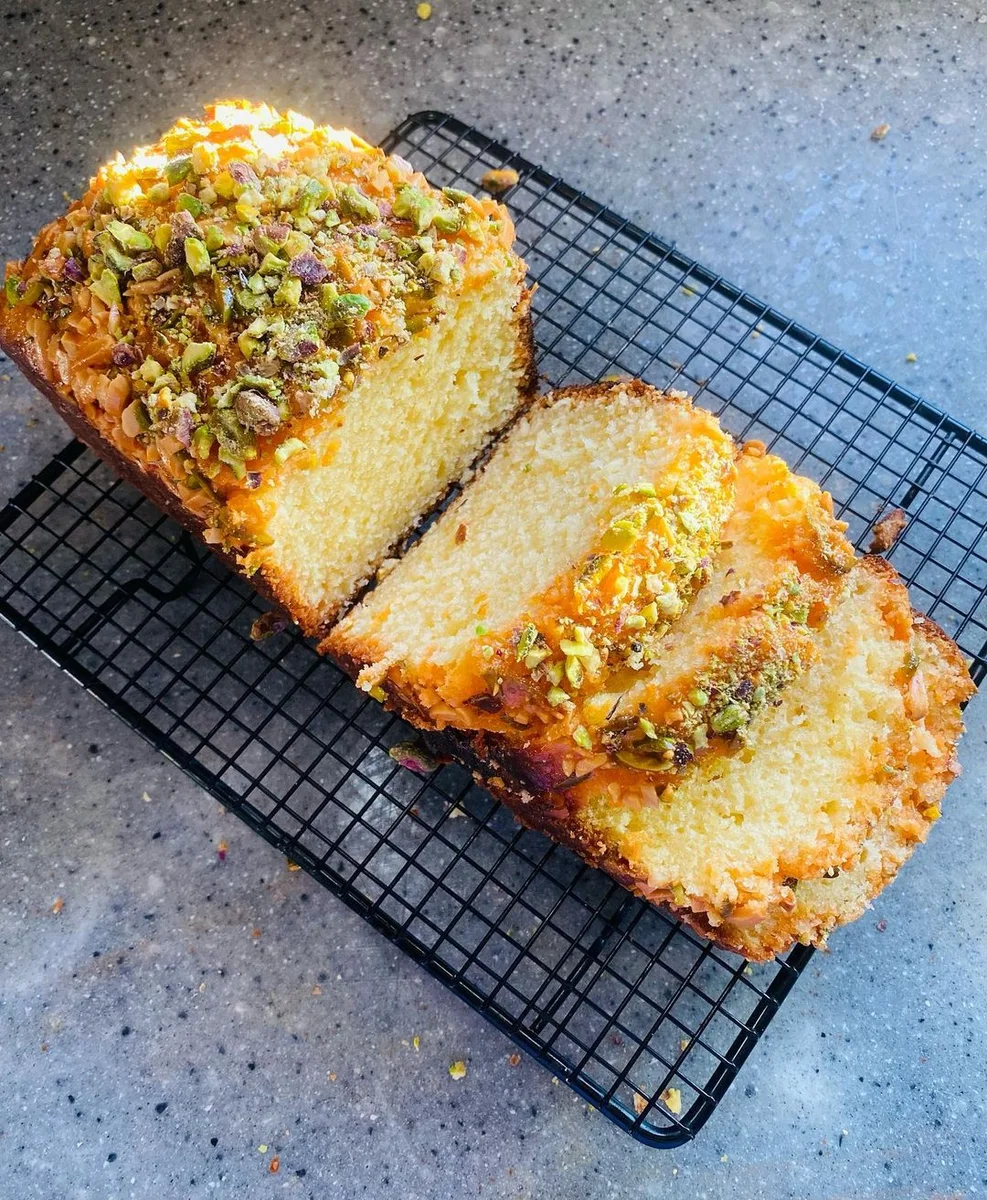
This soft orange cake combines fresh orange juice and zest with cream for a rich, fragrant crumb. It is baked in a loaf tin and finished with a sugar-and-milk syrup, though the syrup quantities are not provided in the recipe.
Ingredients
- 250 g (2 cups)flour
- 2 teaspoonsbaking powder
- 1 teaspoonorange blossom extract
- 2 largeeggs
- 170 g (¾ cup), melted and at room temperaturebutter
- 200 g (1 cup); up to 300 g (1½ cups) if you prefer it sweeterfine white sugar
- Juice of 2 largeoranges
- 2 tablespoonsorange zest
- 170 g (1 tin)cream
Instructions
- 1
Make the syrup
Cook the syrup ingredients in a small saucepan for 5 minutes, until the sugar dissolves. The recipe does not specify the amounts of sugar or milk for this syrup.
- 2
Preheat the oven
Preheat the oven to 180°C for 15 minutes.
- 3
Whisk eggs and sugar
Whisk the eggs and sugar together in a bowl for 3–5 minutes.
- 4
Add the butter
Add the melted butter and whisk for a further 3–5 minutes.
- 5
Mix the batter
Sift in the flour and baking powder, then add the orange blossom extract and orange juice. Mix well with a spatula.
- 6
Fold in cream
Add the cream and mix it through with the spatula.
- 7
Fill the tin
Transfer the batter to a greased loaf tin. The original method suggests topping it with nuts and covering the tin with aluminium foil to prevent the top from browning too much; no nuts are listed in the ingredients.
- 8
Bake the cake
Bake at 150°C for 45–50 minutes, until a skewer inserted into the cake comes out clean.
- 9
Add the syrup
Once baked, pour over the sugar-and-milk syrup and leave the cake to rest for 1 hour.
- 10
Finish with pistachios
Top with more pistachios and serve. Pistachios are mentioned in the method but are not included in the ingredient list.
What is orange cake?
Orange cake is a familiar home-baking style rather than a single dish with one fixed origin. This version gets its citrus flavour from fresh juice and zest, with orange blossom extract adding a floral note.
Butter, cream and a syrup poured over the baked cake are intended to make the crumb especially soft and moist. The recipe’s syrup and nut toppings are mentioned in the method but their quantities are not supplied.
Nutrition and macros by portion
The nutrition label shows one serving as written: 940 calories, 13g protein, 126g carbs, 44g fat.
| Portion | Adjustment | kcal | Protein | Carbs | Fat |
|---|---|---|---|---|---|
| Lighter | Use oil instead of butter | 658 kcal | 9g | 88g | 31g |
| This serving | As written | 940 kcal | 13g | 126g | 44g |
| Hungry | Serve a larger slice | 1410 kcal | 20g | 189g | 66g |
Most of the carbohydrates come from the flour and sugar, while butter and cream contribute much of the fat; eggs and cream provide some protein. Pair a slice with fresh fruit or plain yoghurt, and note that the estimate excludes the unspecified syrup and toppings.
Build the orange flavour
Fresh juice: use the juice of two large oranges as specified, and measure it if the fruit is unusually small or especially juicy.
Zest and extract: zest only the coloured outer peel, avoiding the bitter white pith. Orange blossom extract is concentrated, so keep to the stated teaspoon.
Mix for a tender crumb
Eggs and sugar: whisk them for the full 3–5 minutes so they are well combined before adding the butter.
Flour and cream: once the flour goes in, mix with a spatula just until combined, then fold in the cream. Prolonged mixing can make a cake denser.
Watch the oven temperature
The method gives two temperatures: preheat at 180°C for 15 minutes, then bake the cake at 150°C. Follow those separate settings rather than assuming the cake bakes at the preheating temperature.
Covering the tin with foil is suggested to limit excess browning. Check for doneness at 45 minutes, then continue as needed up to 50 minutes.
Check when it is done
Skewer test: insert a skewer into the centre; the cake is ready when it comes out clean. If it carries wet batter, bake for a little longer and check again.
Resting: the recipe calls for pouring on the syrup after baking and resting the cake for 1 hour. The syrup amounts are missing, so they need to be determined separately before making that finish.
Choose a loaf tin and toppings
Tin preparation: grease the loaf tin before adding the batter so the cake releases more easily. The recipe does not give a tin size, so use one that leaves room for the cake to rise.
Toppings: nuts and pistachios appear in the method, but not in the ingredient list. Add them only if you have them and want the suggested finish.
Serve alongside
Serve a slice with tea or coffee, or pair it with plain yoghurt or fresh fruit for a less rich contrast.
Because the cake contains butter, sugar and cream, a modest slice alongside fruit can make a more balanced snack or dessert.
Recipe notes & tips
- Bring the eggs and cream towards room temperature before mixing for a more even batter.
- Sift the flour and baking powder together to distribute the raising agent.
- Grease the loaf tin thoroughly, including its corners.
- Start checking the cake at 45 minutes, as loaf tin size can affect baking time.
- Let the cake rest for the stated hour after adding syrup before slicing.
Variations
- Use oil: replace the melted butter with oil, as the recipe allows.
- Adjust the sweetness: increase the sugar to 300 g if you prefer a sweeter cake.
- Add pistachios: scatter them over the top for the suggested finish.
- Use cooking cream: choose cooking cream or heavy cream, as noted in the recipe.
- Boost the citrus: add a little extra orange zest for a more pronounced orange aroma.
Common mistakes to avoid
- Overmixing after the flour: stop once the ingredients are combined to help keep the crumb tender.
- Using the wrong baking temperature: preheat at 180°C, then reduce to 150°C for baking.
- Skipping the skewer test: check the centre and continue baking if wet batter clings to the skewer.
- Leaving the top uncovered: use the suggested aluminium foil if the surface is browning too quickly.
- Guessing the syrup quantities: the recipe omits them, so establish the sugar and milk amounts before preparing the syrup.
How to store
Once cool, store the cake in an airtight container at room temperature for up to 2 days, or refrigerate it for up to 4 days. Reheat individual slices briefly in the microwave or bring them back to room temperature before serving.
Frequently asked questions
Why are there two oven temperatures?
The method says to preheat the oven at 180°C for 15 minutes, then bake the cake at 150°C for 45–50 minutes. Reduce the oven temperature before putting the cake in.
What are the syrup ingredients and quantities?
The method refers to a sugar-and-milk syrup but does not list its amounts or include it in the ingredients. Those quantities cannot be determined from the recipe provided.
Can I use oil instead of butter?
Yes. The recipe says butter can be replaced with oil, though it does not specify an amount for the substitution.
How do I know the cake is baked?
Insert a skewer into the centre. It should come out clean rather than coated in wet batter.
Are pistachios required?
No pistachios or other nuts are listed among the ingredients, although the method suggests them as a topping. They are optional if you choose to use them.
Can I make the cake sweeter?
The ingredient note says you can add an extra 100 g sugar, bringing the total from 200 g to 300 g.
Cook it from the original
This recipe comes from fooooods.com. Their page has the author’s own photos, notes and tips — the best place to cook it from.
Open the recipe on fooooods.com