
Char Siu Bao (pork buns)
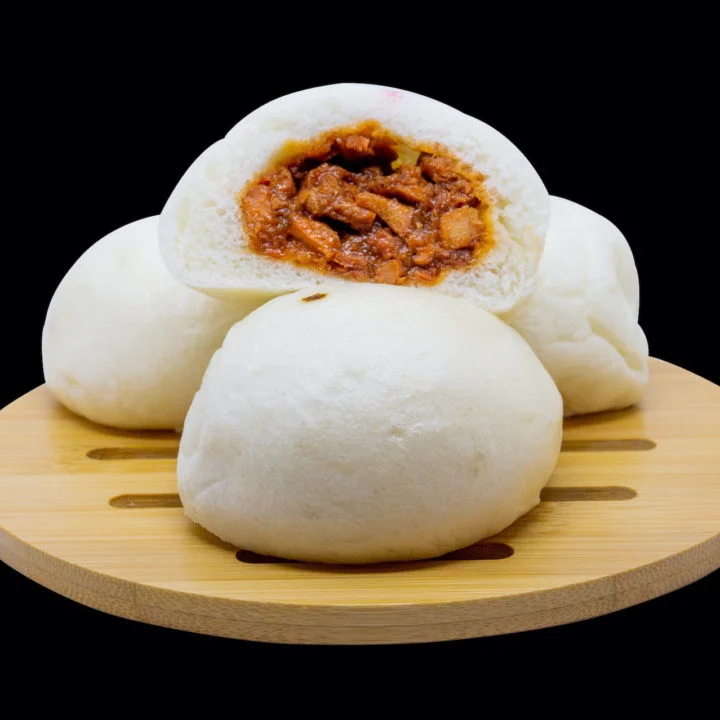
Char siu bao are soft, steamed Chinese buns filled with chopped barbecue pork in a savoury, glossy sauce. This homemade version combines a yeasted dough with a quick stovetop filling, making it a rewarding project for a shared meal or snack.
Ingredients
- 240 ml (1 cup), warm, 32–38°C (90–100°F)water
- 1 package (2¼ teaspoons; about 7 g)dried yeast
- 1½ tablespoons (about 19 g)sugar
- 406 g (3¼ cups)plain flour
- 2–3 tablespoons (30–45 ml)vegetable oil
- ¼ teaspoonsalt
- 1½ teaspoonsbaking powder
- 1 cup (about 150 g)Chinese barbecue pork, chopped
- 3 tablespoons (45 ml)low-salt chicken stock
- 1½ tablespoons (about 23 ml)hoisin sauce
- 1½ tablespoons (about 23 ml)oyster sauce
- 1½ tablespoons (about 23 ml)Shaoxing wine (or dry sherry or mirin)
- 1 clove, finely choppedgarlic
- 1 tablespoon (about 8 g)cornflour
- ½ tablespoon (about 6 g)sugar
- 1 pinchfive-spice powder
Instructions
- 1
Wake the yeast
Mix the warm water, yeast and 1½ tablespoons of sugar in a bowl until combined. Leave for 5–10 minutes.
- 2
Knead the dough
Add the flour, vegetable oil and salt. Knead for about 10 minutes, until smooth.
- 3
Let it rise
Put the dough in a large bowl and coat it with oil. Cover with cling film and leave at room temperature for 1 hour, or until doubled in size.
- 4
Cook the sauce
Meanwhile, combine the hoisin sauce, oyster sauce, wine, garlic, ½ tablespoon of sugar and five-spice in a small saucepan. Bring to the boil, then lower the heat and stir for 1 minute. Take off the heat and leave to cool for 5 minutes.
- 5
Mix the slurry
In a bowl, stir the cornflour with water until smooth. The recipe does not specify the amount of water.
- 6
Thicken the sauce
Once the sauce has cooled, stir in the cornflour and water mixture. Increase the heat and stir until the sauce thickens.
- 7
Coat the pork
Transfer the sauce to a clean bowl and add the chopped pork. Mix until the pork is thoroughly coated.
- 8
Shape the dough
Divide the dough into 10 evenly sized balls. Flatten each into a 10–13 cm (4–5 inch) disc.
- 9
Fill and seal
Divide the filling evenly between the discs. Pull the dough up around each portion, then pinch and twist at the top to seal.
- 10
Arrange the buns
Set half the buns seal-side up in a bamboo steamer. Put the rest, also seal-side up, in a second steamer and cover it. Stack the second steamer on top of the first.
- 11
Steam the buns
Bring 2.5 cm (1 inch) of water to the boil in a pan. Set the steamer in the pan and steam for 15 minutes. Leave the buns to cool for at least 5 minutes before eating.
What are char siu bao?
Char siu bao are Chinese steamed buns filled with char siu, or barbecue pork. Bao has a long place in Chinese food traditions, with many regional shapes and fillings.
This version pairs a soft, yeasted dough with chopped pork in a sweet-savoury sauce. The filling is thickened before it goes into the dough, helping it stay together as the buns are shaped.
Nutrition and macros by portion
The nutrition label shows one serving as written: 490 calories, 17g protein, 78g carbs, 11g fat.
| Portion | Adjustment | kcal | Protein | Carbs | Fat |
|---|---|---|---|---|---|
| Lighter | Serve with extra greens | 343 kcal | 12g | 55g | 8g |
| This serving | As written | 490 kcal | 17g | 78g | 11g |
| Hungry | Add another bun | 735 kcal | 26g | 117g | 17g |
The flour and sugar provide most of the carbohydrates, while the vegetable oil and sauces contribute much of the fat. Pork supplies most of the protein, and the sauces and salt contribute sodium. Balance a portion with steamed vegetables or a fresh, lightly dressed salad.
Building a soft dough
Yeast first: the warm water and sugar give the yeast a short head start. The water should feel warm rather than hot; excessively hot water can affect the yeast.
Kneading: work the dough for about 10 minutes, until smooth. The rise is ready when the dough has doubled, which can take longer in a cool room.
Getting the filling right
Sauce base: hoisin, oyster sauce, Shaoxing wine, garlic, sugar and five-spice bring sweet, savoury and aromatic notes. Dry sherry or mirin can stand in for the wine, as listed in the recipe.
Thickening: stir the cornflour mixture into the cooled sauce, then heat until it thickens. The method calls for water in this mixture but does not give a quantity, so add enough to make a smooth slurry.
Shaping and sealing
Even portions: divide the risen dough into 10 balls and flatten each into a 10–13 cm disc. Keeping the discs similar in size makes it easier to distribute the filling evenly.
Pinched tops: gather the dough around the pork and pinch and twist firmly to close. Keep the seam facing upwards in the steamer, as directed.
Steaming and doneness
Steamer setup: arrange the buns in two bamboo steamers, with the second stacked on top of the first. Bring the water to the boil before placing the stack over the pan.
Timing: steam for 15 minutes, then leave the buns to cool for at least 5 minutes. The dough should be cooked through and soft; take care when opening the steamer, as hot steam escapes.
Serving the buns
Serve the buns warm as a snack, starter or part of a larger Chinese-style meal. A simple side of steamed greens or a crisp vegetable salad can add freshness alongside the rich pork filling.
The recipe makes 10 buns for 4 servings, so portions need not be identical. Let the buns cool briefly before serving so the filling is easier to handle.
Recipe notes & tips
- Check that the yeast mixture looks active after its 5–10-minute rest.
- Use only enough oil to coat the dough in the rising bowl.
- Cool the sauce for the stated 5 minutes before adding the cornflour mixture.
- Keep the filled buns covered while arranging the two steamers so the dough does not dry out.
- Leave space between buns where possible, as the dough expands during steaming.
- Handle the steamer lid carefully and keep your face away from escaping steam.
Variations
- Use dry sherry: substitute it for Shaoxing wine as suggested in the ingredient list.
- Try mirin: use it in place of the Shaoxing wine for a slightly different sweetness.
- Add a little ginger: finely chop it into the sauce with the garlic for a warming note.
- Serve with greens: add steamed greens on the side for freshness alongside the buns.
Common mistakes to avoid
- Water too hot: very hot water can hinder the yeast; use water at 32–38°C.
- Rushing the rise: wait until the dough has doubled rather than relying only on the clock.
- Thin filling sauce: keep stirring over the heat until it thickens before coating the pork.
- Loose seals: pinch and twist the dough firmly at the top to keep the filling enclosed.
- Uncovered dough: cover it during its rise so the surface does not dry out.
- Opening the steamer carelessly: lift the lid away from your face to avoid the hot steam.
How to store
Cool leftover buns, place them in an airtight container and refrigerate for up to 3 days. Reheat in a steamer until hot throughout; steaming helps keep the dough soft.
Frequently asked questions
Can I use a different wine?
Yes. The ingredient list suggests dry sherry or mirin as substitutes for Shaoxing wine.
How do I know when the dough has risen enough?
It should have doubled in size. The recipe gives 1 hour as a guide, but the room temperature can affect the time.
How much water goes in the cornflour mixture?
The recipe does not specify a quantity. Add enough water to stir the cornflour into a smooth mixture before adding it to the cooled sauce.
Can I steam the buns without bamboo steamers?
The method specifies bamboo steamers. If using another steamer that fits your pan, arrange the buns seal-side up and follow its usual setup.
How many buns does this make?
The dough is divided into 10 buns, serving 4 people according to the recipe.
Can I freeze the buns?
The recipe does not give freezing instructions. For the stated storage method, refrigerate leftovers in an airtight container for up to 3 days.
Cook it from the original
This recipe comes from gluttodigest.com. Their page has the author’s own photos, notes and tips — the best place to cook it from.
Open the recipe on gluttodigest.com