
Golden Pound Cake
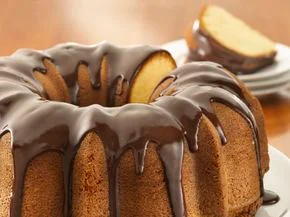
Golden pound cake is a rich, buttery cake with a tender crumb and a hint of almond. It makes a generous centrepiece for sharing, and is just as welcome with a cup of tea as it is dressed up with fruit.
Ingredients
- 375 g (3 cups)plain flour
- 1 teaspoon (5 ml)baking powder
- ¼ teaspoon (1.25 ml)salt
- 550 g (2¾ cups)sugar
- 284 g (1¼ cups)butter or margarine, softened
- 1 teaspoon (5 ml)almond extract
- 5eggs
- 240 ml (1 cup)evaporated milk
Instructions
- 1
Prepare the pan
Heat the oven to 180°C (350°F). Grease and flour a 12-cup fluted tube cake pan or a 25 cm (10-inch) angel food cake tube pan. Mix the flour, baking powder and salt in a bowl, then set aside.
- 2
Mix the batter
In a large bowl, beat the sugar, softened butter or margarine, almond extract and eggs with an electric mixer on low for 30 seconds, scraping the bowl constantly. Beat on high for 5 minutes, scraping the bowl occasionally. On low speed, add the flour mixture alternately with the evaporated milk. Pour the batter into the prepared pan.
- 3
Bake and cool
Bake for 1 hour 10 minutes to 1 hour 20 minutes, or until a toothpick inserted in the centre comes out clean. Cool in the pan for 20 minutes, then turn out onto a wire rack. Leave to cool completely, about 40 minutes.
What is pound cake?
Pound cake is a traditional rich cake, known for its buttery flavour and close, tender crumb. Its name recalls an old style of cake made with equal weights of key ingredients, though recipes have evolved over time.
This version uses baking powder for lift and evaporated milk for richness. Almond extract gives the otherwise simple batter a fragrant finish.
Nutrition and macros by portion
The nutrition label shows one serving as written: 390 calories, 6g protein, 54g carbs, 17g fat.
| Portion | Adjustment | kcal | Protein | Carbs | Fat |
|---|---|---|---|---|---|
| Lighter | Cut thinner slices | 273 kcal | 4g | 38g | 12g |
| This serving | As written | 390 kcal | 6g | 54g | 17g |
| Hungry | Serve a larger slice | 585 kcal | 9g | 81g | 26g |
The flour and sugar supply most of the carbohydrates, while butter or margarine carries much of the fat; eggs and milk contribute some protein. Serve a slice with fresh fruit, or alongside a lighter meal, to make the plate feel more balanced.
The ingredients that matter
Softened butter: it should yield when pressed but not look melted or greasy. This helps it beat smoothly with the sugar.
Evaporated milk: add it in turns with the flour mixture, as directed, so the batter combines evenly. The almond extract is potent, so measure it carefully.
Beat for the right texture
Low speed first: the initial 30-second mix combines the sugar, butter, extract and eggs without sending ingredients out of the bowl. Scrape the sides as you go.
High speed next: beat for the full 5 minutes, scraping the bowl occasionally. This step builds an even base for the cake before the flour and milk are added.
Alternate flour and milk
Add the flour mixture and evaporated milk alternately on low speed. This keeps the ingredients easier to incorporate into the thick batter.
Stop mixing once the additions are combined. Pour the batter into the greased and floured pan, spreading it evenly by tilting the pan if needed.
Check for doneness
Timing: start checking at 1 hour 10 minutes; the recipe allows up to 1 hour 20 minutes. Ovens and pans can vary, so use the toothpick test rather than relying on the clock alone.
Doneness: a toothpick inserted in the centre should come out clean. Let the cake rest in its pan for 20 minutes before turning it out, then cool it fully on a rack.
How to serve it
The cake is rich enough to serve in modest slices with tea or coffee. Fresh berries or a spoonful of fruit make a bright contrast to its buttery crumb.
For a thinner slice, cut the cake into smaller portions, as the recipe suggests. Make sure it is completely cool before slicing for neater pieces.
Recipe notes & tips
- Bring the butter or margarine to room temperature so it beats smoothly.
- Scrape the bowl during mixing to bring any unmixed ingredients back into the batter.
- Grease and flour the tube pan carefully, including around its central tube.
- Begin checking the cake at 1 hour 10 minutes, especially if your oven runs hot.
- Let the cake cool in the pan for 20 minutes before turning it out.
Variations
- Chocolate and nuts: fold in 57 g (2 oz) grated unsweetened baking chocolate and ½ cup chopped nuts after mixing.
- Citrus note: replace the almond extract with an equal amount of lemon extract for a different aromatic flavour.
- Fruit topping: serve slices with fresh berries for a tart contrast.
- Smaller slices: cut the cake into thinner pieces when serving a crowd.
Common mistakes to avoid
- Cold butter: it may not beat smoothly; soften it before mixing.
- Skipping the scraping: batter can cling to the bowl; scrape it down at the points specified.
- Overmixing after adding flour: the cake may become less tender; mix on low only until the additions are combined.
- Guessing doneness: the centre may still be underbaked; check with a toothpick.
- Turning out too soon: the cake may break; leave it in the pan for the full 20 minutes.
How to store
Once completely cool, keep the cake covered at room temperature for up to 3 days. Reheat individual slices briefly in the microwave if you prefer them warm.
Frequently asked questions
Can I use a Bundt pan?
Yes. The recipe calls for a 12-cup fluted tube cake pan, which is commonly a Bundt-style pan. Grease and flour it thoroughly before adding the batter.
How do I know when the cake is baked?
Insert a toothpick into the centre; it should come out clean. Begin checking after 1 hour 10 minutes and allow up to 1 hour 20 minutes.
Why does the recipe ask for alternating flour and milk?
Adding them in turns helps the batter combine evenly. Use low speed, as instructed.
Can I make the chocolate and nut variation?
Yes. After mixing the batter, fold in 57 g (2 oz) grated unsweetened baking chocolate and ½ cup chopped nuts.
How many people does this cake serve?
The recipe makes 16 servings. Thinner slices can stretch it to as many as 24 portions.
Cook it from the original
This recipe comes from goldmedalflour.com. Their page has the author’s own photos, notes and tips — the best place to cook it from.
Open the recipe on goldmedalflour.com