
Double-Crust Pastry (10-inch pie)
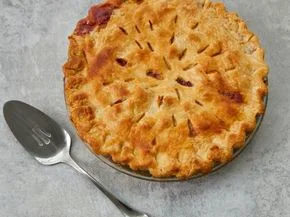
This basic double-crust pastry uses flour, salt, shortening and cold water to make a tender, flaky pie dough. Keep the fat cold and handle the dough gently for an easier roll and a better texture.
Ingredients
- 333 g (2⅔ cups)Gold Medal™ plain flour
- 1 teaspoonsalt
- 205 g (1 cup)shortening
- 75–90 ml (5–6 tablespoons)cold water
Instructions
- 1
Mix flour and salt
Combine the flour and salt in a medium bowl. Cut in the shortening with a pastry blender, or draw two table knives through the mixture in opposite directions, until the pieces are about the size of small peas. Add the cold water 1 tablespoon at a time, tossing with a fork until the flour is moistened and the pastry almost pulls away from the sides of the bowl. If needed, add another 1–2 teaspoons of water.
- 2
Chill the dough
Bring the pastry together into a ball, then divide it in half and shape each half into a flattened round on a lightly floured surface. Wrap the rounds in plastic wrap and refrigerate for about 45 minutes, until firm and cold but still pliable. If they chill for longer, let them soften slightly before rolling.
- 3
Roll the base
On a lightly floured surface, roll one round with a floured rolling pin into a circle 2 inches larger than an upside-down 10-inch glass pie plate.
- 4
Line the plate
Fold the pastry circle into quarters and place it in the pie plate. Unfold it, ease it into the plate and press it firmly against the bottom and sides.
What is double-crust pastry?
Double-crust pastry is a pie dough intended to form both the base and the top of a pie. This recipe makes a simple flour-and-shortening dough; the method provided here shows how to prepare it and line the plate with one round.
Its usefulness comes from a short ingredient list and a chilling period that firms the shortening before rolling. The supplied method stops after lining the plate, so it does not describe adding a filling or fitting the second round.
Nutrition and macros by portion
The nutrition label shows one serving as written: 763 calories, 9g protein, 63g carbs, 51g fat.
| Portion | Adjustment | kcal | Protein | Carbs | Fat |
|---|---|---|---|---|---|
| Lighter | Use a smaller pastry portion | 534 kcal | 6g | 44g | 36g |
| This serving | As written | 763 kcal | 9g | 63g | 51g |
| Hungry | Larger slice of pie | 1145 kcal | 14g | 95g | 77g |
Most of the energy and fat come from the shortening, while the flour supplies most of the carbohydrates and some protein. Since this is pastry rather than a complete meal, serve a pie made with it alongside vegetables or a salad for a more balanced plate.
Why use shortening?
Shortening is the only fat in this dough, and cutting it into the flour creates the small pieces that help give the pastry a flaky texture. Stop when the pieces are roughly pea-sized rather than mixing until the flour looks smooth.
Cold water brings the flour together without needing to work the dough extensively. Add it gradually, since the amount needed can vary slightly.
Bring the dough together
Moistened flour: toss with a fork as you add water, checking that the flour is damp throughout and the pastry is nearly pulling away from the bowl.
Extra water: add only the stated 1–2 teaspoons if the mixture still seems too dry to gather. Too much water can make the dough sticky and harder to handle.
Chill before rolling
The 45-minute rest firms the shortening, which helps the pastry stay manageable as you roll it. Aim for dough that feels cold and firm but can still bend without cracking.
If it has become very firm after a longer chill, leave it briefly to soften before rolling. Keep the work surface lightly floured to help prevent sticking.
Roll and line the plate
Size: roll the round to a circle 2 inches wider than the upside-down 10-inch pie plate, allowing pastry to reach across the base and up the sides.
Folding the circle into quarters makes it easier to lift into the plate. Unfold it gently, ease it into place rather than stretching it, and press it against the base and sides.
Serving and recipe scope
This is a pastry component rather than a finished pie, and the supplied instructions do not include a filling, baking temperature or baking time. Use it with a pie recipe that specifies those details.
The dough is intended to make two rounds, though only the first round is rolled and placed in the plate in the method provided. Keep the second round wrapped until the accompanying pie instructions call for it.
Recipe notes & tips
- Keep the water cold and add it gradually.
- Stop cutting in the shortening when the pieces are about the size of small peas.
- Chill the dough for about 45 minutes before rolling.
- Dust the rolling surface and pin lightly with flour to limit sticking.
- Ease the pastry into the plate instead of pulling it to fit.
Variations
- Flour choice: use plain flour if Gold Medal™ all-purpose flour is unavailable.
- Seasoned pastry: add a little dried herb when mixing the flour and salt for a savoury pie.
- Sweet pie pairing: use this dough with a sweet filling, following the filling recipe's baking directions.
- Savoury pie pairing: use it with a savoury filling and follow that recipe for assembly and baking.
Common mistakes to avoid
- Adding water all at once: the dough can become too wet; add it 1 tablespoon at a time.
- Working the dough too much: it can become difficult to roll; stop once it comes together.
- Skipping the chill: the dough may be less manageable; refrigerate it for about 45 minutes.
- Rolling too small: the pastry may not reach the plate sides; make the circle 2 inches wider than the plate.
- Stretching the pastry: it may pull out of shape; ease it gently into the plate.
How to store
Keep the wrapped dough rounds refrigerated until ready to roll; the recipe gives a chilling time of about 45 minutes but no longer-term storage duration. If chilled longer, let the dough soften slightly before rolling. Reheating instructions are not applicable to unbaked pastry.
Frequently asked questions
How much water should I use?
Start with 5 tablespoons (75 ml), adding it 1 tablespoon at a time. Use up to 6 tablespoons (90 ml), with another 1–2 teaspoons only if needed to moisten the flour.
How long should the dough chill?
Chill it for about 45 minutes, until it is firm and cold but still pliable. If it has been refrigerated longer, let it soften slightly before rolling.
Can I make the dough without a pastry blender?
Yes. The method suggests pulling two table knives through the ingredients in opposite directions to cut in the shortening.
What size should I roll the pastry?
Roll it into a circle 2 inches larger than an upside-down 10-inch glass pie plate.
Does this recipe include baking instructions?
No. The supplied method ends after the first round is placed in the pie plate; it does not give filling, top-crust or baking instructions.
Cook it from the original
This recipe comes from goldmedalflour.com. Their page has the author’s own photos, notes and tips — the best place to cook it from.
Open the recipe on goldmedalflour.com