
Coconut Shrimp
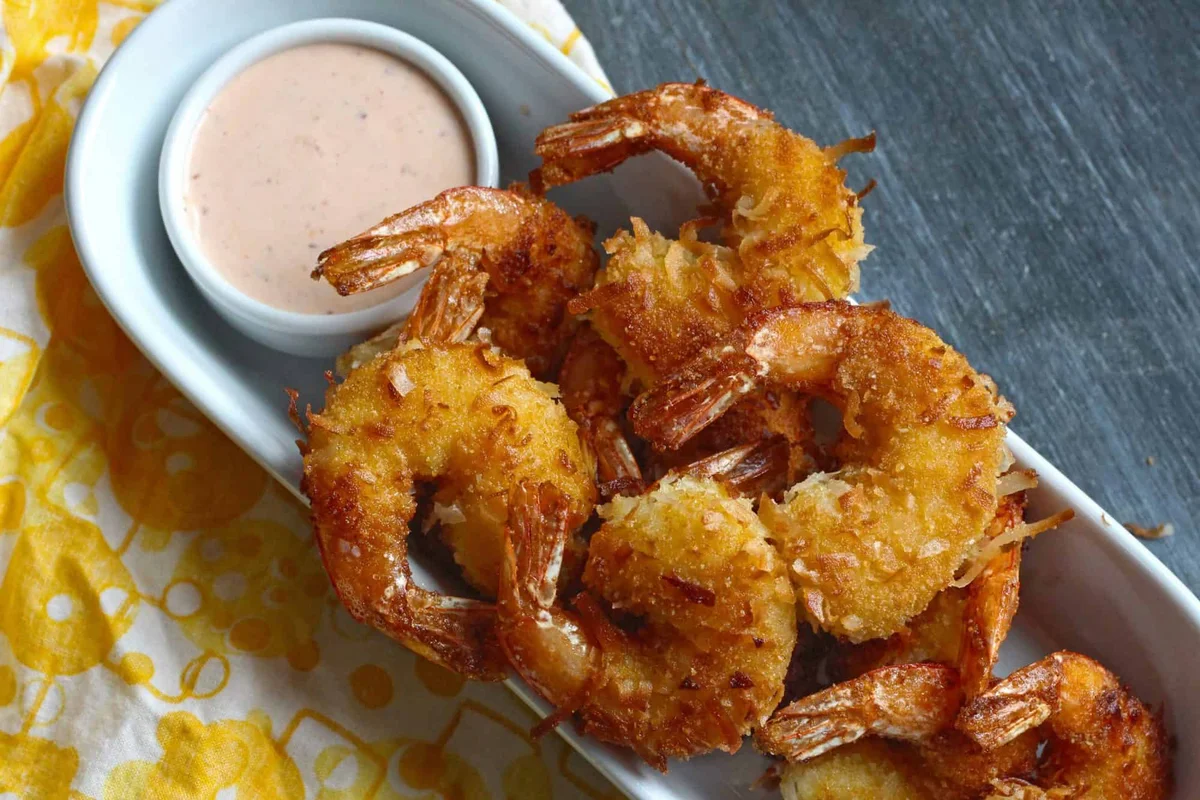
Coconut shrimp pairs crisp, coconut-coated prawns with a tangy yoghurt dipping sauce. Shallow-frying gives the coating colour and crunch without needing a deep fryer.
Ingredients
- 60 g (½ cup)Warrior breadcrumbs or preferred gluten-free breadcrumbs
- 80 g (1 cup)unsweetened desiccated coconut
- 1egg, beaten
- 240 ml (1 cup)avocado oil or preferred oil
- 60 g (½ cup)Warrior Bread Mix
- 12cleaned and deveined prawns, tails left on
- 150 g (5.3 oz; 1 pack)coconut or almond yoghurt
- 1 tsphot sauce
- Juice of 1lemon
- 1 clovegarlic, grated
- To tastesalt and pepper
Instructions
- 1
Mix the coating
Combine the breadcrumbs and coconut in a bowl, then season with salt and pepper.
- 2
Set up bowls
Put the beaten egg in a second bowl and the Warrior Bread Mix in a third.
- 3
Heat the oil
Pour the oil into a shallow frying pan so it covers the base to a depth of about ¼ inch (about 6 mm). Heat over medium.
- 4
Coat the prawns
Working one at a time, coat each prawn first in the bread mix, then the egg, and finally the breadcrumb and coconut mixture. Shake off excess at each stage, keeping the tail clean, then set the coated prawns on a plate to rest.
- 5
Shallow-fry prawns
Add the prawns to the pan one at a time. After about 2 minutes, carefully turn each one and cook the other side. When browned on both sides and cooked through, transfer them to a cooking rack or a plate lined with kitchen paper.
- 6
Make the sauce
Meanwhile, stir the yoghurt, hot sauce, lemon juice and garlic together in a bowl. Season with salt and pepper.
- 7
Serve with sauce
Serve the prawns with the yoghurt dipping sauce on the side.
What is coconut shrimp?
Coconut shrimp is a popular restaurant-style appetiser: prawns are coated in coconut and crumbs, then fried until crisp. Its exact origins are not established, but the combination is often associated with tropical and coastal menus.
This version uses a three-stage coating and a cool, sharp yoghurt dip. Keeping the tails clear makes the prawns easier to handle and dip.
Nutrition and macros by portion
The nutrition label shows one serving as written: 190 calories, 9g protein, 13g carbs, 12g fat.
| Portion | Adjustment | kcal | Protein | Carbs | Fat |
|---|---|---|---|---|---|
| Lighter | Use less frying oil | 133 kcal | 6g | 9g | 8g |
| This serving | As written | 190 kcal | 9g | 13g | 12g |
| Hungry | Add more prawns | 285 kcal | 14g | 20g | 18g |
The coconut, breadcrumbs and bread mix provide most of the carbohydrate, while the coconut and frying oil contribute much of the fat. Prawns supply the protein, with smaller amounts from the egg and yoghurt. Balance the plate with a generous serving of vegetables or salad alongside the prawns.
Why use three coating bowls?
Bread mix: the first layer gives the egg something to cling to, helping the outer coating stay in place.
Egg and coconut crumbs: the egg binds the final layer, while the mixture of breadcrumbs and coconut gives the outside its contrasting crispness and chew.
Getting the coating to stick
Shake off excess from each bowl before moving to the next; thick clumps can cook unevenly. Leave the finished prawns on a plate while you coat the rest, as directed, so the coating has a moment to settle.
Keep the tails free of coating for a neat handle. Lower the prawns into the oil carefully to avoid splashes.
How to judge doneness
Oil temperature: medium heat is the starting point in the method. The coating should brown as the prawns cook; if it darkens very quickly, lower the heat.
Prawns: look for a browned coating and flesh that is opaque throughout. The recipe gives about 2 minutes before turning, but the exact cooking time depends on the size of the prawns and the pan.
The yoghurt dipping sauce
Yoghurt: coconut or almond yoghurt keeps the dip dairy-free, while lemon juice and hot sauce add tang and heat.
Seasoning: taste the finished dip and adjust the salt and pepper to suit. Grated garlic spreads through the sauce more evenly than larger pieces.
Serving and timing
Fry in batches if needed so the prawns have room in the pan; overcrowding can cool the oil and soften the coating. Transfer each batch to a rack or kitchen-paper-lined plate as soon as it is cooked.
Serve soon after frying for the crispest texture, with the sauce on the side. A simple green salad or steamed vegetables make an easy accompaniment.
Recipe notes & tips
- Pat the prawns dry before coating so the layers are less likely to slip.
- Keep one hand for the dry coatings and the other for the egg to make coating less messy.
- Check that the oil covers the pan base to about 6 mm before frying.
- Fry in batches rather than crowding the pan.
- Use a rack after frying if you have one, so the underside stays crisp.
Variations
- Extra heat: add a little more hot sauce to the yoghurt dip.
- Citrus lift: add a little finely grated lemon zest to the dipping sauce.
- Fresh herbs: stir chopped coriander into the yoghurt dip before serving.
- Milder dip: reduce the hot sauce and season to taste.
- Gluten-free coating: use preferred gluten-free breadcrumbs and a suitable bread mix.
Common mistakes to avoid
- Wet prawns: pat them dry before coating so the layers adhere better.
- Clumpy coating: shake off excess at each stage for a more even crust.
- Coated tails: leave the tail clear so each prawn is easy to pick up.
- Crowded pan: fry in batches to help the coating brown rather than soften.
- Overheated oil: lower the heat if the coating browns too fast before the prawns cook through.
- Skipping the drain: transfer cooked prawns to a rack or kitchen-paper-lined plate to remove excess oil.
How to store
Refrigerate leftover prawns and sauce separately in airtight containers for up to 2 days. Reheat the prawns in an oven or air fryer until hot; the coating may soften in storage and will not be as crisp as freshly fried.
Frequently asked questions
Can I use frozen prawns?
Yes. Thaw them fully and pat them dry before coating. Excess moisture can make the coating slide off.
Can I bake the prawns instead of frying them?
The method provided is for shallow-frying, so baking will give a different result. If you bake them, arrange them in a single layer and check frequently for doneness and browning.
How do I know when the prawns are cooked?
The coating should be browned and the prawn flesh opaque throughout. Cooking time varies with prawn size and pan heat.
Can I prepare the prawns ahead?
You can coat them shortly before cooking and keep them chilled while you prepare the sauce. Fry close to serving time for the crispest coating.
What can I use instead of coconut yoghurt?
The recipe also lists almond yoghurt. Choose an unsweetened variety so the lemon, garlic and hot sauce remain the focus.
What should I serve with coconut shrimp?
Serve it with the yoghurt dip and a green salad or vegetables. Rice or another simple side can make it a more substantial meal.
Cook it from the original
This recipe comes from glutenfreesociety.org. Their page has the author’s own photos, notes and tips — the best place to cook it from.
Open the recipe on glutenfreesociety.org