
Classic Lemon Meringue Pie
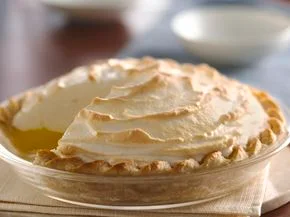
Classic lemon meringue pie pairs a crisp pastry case with a tangy, creamy lemon filling and a cloud of sweet meringue. It is a lovely make-ahead dessert when you have time to chill the pastry and let the finished pie cool.
Ingredients
- 125 g (1 cup)plain flour
- 2.5 ml (1/2 teaspoon)salt
- 89 g (1/3 cup plus 1 tablespoon)shortening
- 30–45 ml (2 to 3 tablespoons)cold water
- 3egg yolks
- 300 g (1 1/2 cups)sugar
- 47 g (1/3 cup plus 1 tablespoon)cornflour
- 355 ml (1 1/2 cups)water
- 43 g (3 tablespoons)butter or margarine
- 10 ml (2 teaspoons)grated lemon zest
- 120 ml (1/2 cup)lemon juice
- 2 dropsyellow food colouring, if desired
- 3egg whites
- 1.25 ml (1/4 teaspoon)cream of tartar
- 75 g (6 tablespoons)sugar
- 2.5 ml (1/2 teaspoon)vanilla
Instructions
- 1
Mix the pastry
In a medium bowl, combine the flour and salt. Cut in the shortening with a pastry blender, or use two knives pulled through the mixture in opposite directions, until the pieces are about the size of small peas. Sprinkle in the cold water, 1 tablespoon at a time, tossing with a fork until the flour is moistened and the pastry nearly clears the side of the bowl. Add 1 to 2 teaspoons more water if needed.
- 2
Chill the dough
Bring the pastry together into a ball, then flatten it into a round on a lightly floured surface. Wrap it in cling film and refrigerate for about 45 minutes, until firm and cold but still pliable. If it chills for longer, let it soften slightly before rolling.
- 3
Bake the case
Heat the oven to 245°C. On a floured surface, roll the pastry into a circle 5 cm wider than an upside-down 23 cm glass pie dish. Fold it into quarters, place it in the dish, then unfold and ease it into place, pressing it against the base and sides. Trim the overhang to 2.5 cm from the rim, fold and roll it under level with the dish, then crimp as desired. Prick the base and sides thoroughly with a fork. Bake for 8 to 10 minutes, until lightly browned, then cool on a rack.
- 4
Start the filling
Lower the oven temperature to 205°C. Beat the egg yolks with a fork in a small bowl. In a 2-litre saucepan, combine the sugar and cornflour, then gradually stir in the water. Cook over a medium heat, stirring constantly, until thickened and boiling. Boil and stir for 1 minute.
- 5
Finish the filling
Immediately stir at least half of the hot mixture into the egg yolks, then stir the yolk mixture back into the saucepan. Bring it to a boil and cook, stirring, for 2 minutes; remove from the heat. Stir in the butter, lemon zest, lemon juice and food colouring, if using. Pour the filling into the pastry case.
- 6
Whisk the meringue
In a medium bowl, beat the egg whites and cream of tartar with an electric mixer on high speed until foamy. Add the sugar 1 tablespoon at a time, continuing to beat until the meringue is stiff and glossy. Do not underbeat. Beat in the vanilla.
- 7
Top and bake
Spoon the meringue onto the hot filling and spread it out, sealing it carefully to the pastry edge to help prevent shrinking or weeping. Bake for 8 to 12 minutes, until the meringue is lightly browned.
- 8
Cool and chill
Cool the pie away from draughts for 2 hours. Cover and refrigerate once cooled, then keep it chilled until serving.
What is lemon meringue pie?
Lemon meringue pie is a baked dessert made with pastry, a sharp-sweet lemon filling and a topping of whipped egg whites. It belongs to a long tradition of British and American citrus puddings, though this version follows the familiar American-style pie format.
Pastry case: A short, flaky base gives the soft filling and airy topping a crisp contrast. The filling is thickened on the hob, while the meringue is baked briefly until its peaks colour.
Nutrition and macros by portion
The nutrition label shows one serving as written: 430 calories, 4g protein, 66g carbs, 16g fat.
| Portion | Adjustment | kcal | Protein | Carbs | Fat |
|---|---|---|---|---|---|
| Lighter | Smaller slice, more berries | 301 kcal | 3g | 46g | 11g |
| This serving | As written | 430 kcal | 4g | 66g | 16g |
| Hungry | Larger slice | 645 kcal | 6g | 99g | 24g |
The pastry, cornflour and sugars provide most of the carbohydrates, while shortening and butter or margarine contribute much of the fat. Egg yolks and whites supply the protein, though the pie is mainly a sweet dessert. Serve a slice after a meal with fresh fruit for a balanced finish.
Choosing the ingredients
Flour and shortening: Plain flour keeps the pastry flavour straightforward, while cold shortening helps it bake into a flaky case. The recipe notes that self-raising flour changes the pastry's flavour and texture; if using it, omit the salt.
Fresh citrus: Lemon juice provides the filling's tang, and grated zest adds aromatic citrus character. Grate only the yellow outer skin, avoiding the bitter white pith.
Handling the pastry
Cold dough: Chilling the pastry for about 45 minutes firms the shortening and makes the dough easier to roll. If it has become very firm in the fridge, let it soften slightly so it can be rolled without cracking.
Blind-baked shell: Pricking the pastry all over helps it bake evenly before the filling goes in. Let the case cool on a rack after its short bake.
Making a smooth filling
Stir constantly: Keep the sugar, cornflour and water mixture moving over medium heat as it thickens. Once it boils, continue stirring for the stated minute so the mixture cooks evenly.
Temper the yolks: Stir at least half of the hot mixture into the yolks before returning them to the pan. This gradual step helps combine them with the hot filling; then boil and stir for 2 minutes as directed.
Getting glossy meringue
Clean separation: Keep every trace of yolk out of the whites, as the recipe warns that even a speck can stop them beating properly. A clean, dry bowl is useful, too.
Stiff peaks: Add the sugar gradually and keep beating until the meringue looks glossy and holds its shape. Spread it over the hot filling and seal it to the pastry edge to help limit shrinking or weeping.
Cooling and serving
Gentle cooling: Leave the baked pie away from draughts for 2 hours, then cover and refrigerate it once cool. This gives the filling time to settle before you cut it.
To serve: Use a sharp knife to cut through the meringue and filling cleanly. The pie is rich and bright on its own; fresh berries make a simple accompaniment.
Recipe notes & tips
- Measure the cold water gradually, as the pastry may need less than the full amount.
- Roll the pastry on a lightly floured surface to help prevent sticking.
- Keep the filling moving as it thickens so it does not catch on the bottom of the pan.
- Separate the eggs carefully so no yolk gets into the whites.
- Spread the meringue right to the pastry edge to help prevent it shrinking away.
- Cool the pie away from draughts before covering and refrigerating it.
Variations
- Skip the colouring: Leave out the optional yellow food colouring for a naturally coloured filling.
- Use margarine: Choose margarine instead of butter as the recipe allows.
- Save time: Use a ready-made pie crust mix in place of the scratch pastry.
- Add berries: Serve each slice with fresh berries for a fruity contrast.
- Adjust the citrus: Add a little more lemon zest for a more pronounced lemon aroma.
Common mistakes to avoid
- Adding too much water: Sprinkle it in a tablespoon at a time and stop once the dough is moistened.
- Rolling very cold pastry: Let it soften slightly if it has chilled longer than 45 minutes.
- Skipping the fork pricks: Prick the base and sides thoroughly before baking the empty case.
- Adding yolks straight to the pan: Stir at least half of the hot mixture into them first, then return them to the saucepan.
- Underbeating the whites: Continue until the meringue is stiff and glossy before adding it to the pie.
- Leaving the edges unsealed: Spread the meringue to meet the pastry edge to help prevent shrinking or weeping.
How to store
Cover and refrigerate the cooled pie, as directed, and keep it chilled until serving. For best texture, enjoy it within 2 days; the meringue may soften as it stands. Serve cold rather than reheating.
Frequently asked questions
Can I make the pastry ahead?
Yes. The dough can be refrigerated for longer than the stated 45 minutes; let it soften slightly before rolling if it becomes very firm.
Why does the recipe add hot filling to the egg yolks first?
Stirring at least half of the hot mixture into the yolks before adding them back helps combine the yolks with the hot filling gradually.
How can I tell when the meringue is ready to spread?
It should be stiff and glossy after the sugar and vanilla are beaten in. The whites should also be free of any yolk.
Why does meringue shrink or weep?
The recipe advises sealing the meringue carefully to the pastry edge to help prevent both. Follow the stated beating and baking times, too.
Can I leave out the food colouring?
Yes. The yellow food colouring is optional and can simply be omitted.
How long should the pie cool before it goes in the fridge?
Cool it away from draughts for 2 hours, then cover and refrigerate it.
Cook it from the original
This recipe comes from goldmedalflour.com. Their page has the author’s own photos, notes and tips — the best place to cook it from.
Open the recipe on goldmedalflour.com