
Garlic Parmesan Roasted Shrimp
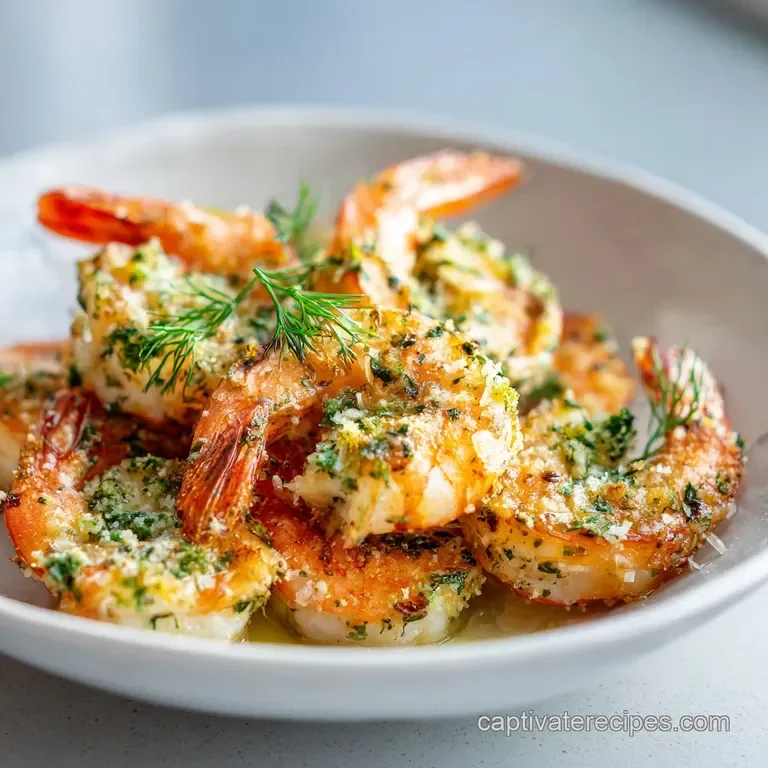
Garlic Parmesan roasted shrimp is a quick oven-baked main with a savoury, cheesy coating, a little heat and a bright squeeze of lemon. It suits a weeknight dinner when you want a short ingredient list and very little time at the hob.
Ingredients
- 680 g (1.5 lb)jumbo shrimp (16–20 count), peeled and deveined, tails on
- 30 ml (2 tbsp)extra-virgin olive oil
- 4 clovesgarlic, minced
- 50 g (½ cup)Parmesan cheese, finely grated
- 5 ml (1 tsp)dried Italian seasoning
- 2.5 ml (½ tsp)red pepper flakes
- 2.5 ml (½ tsp)kosher salt
- 1.25 ml (¼ tsp)freshly cracked black pepper
- 15 ml (1 tbsp)fresh Italian parsley, chopped
- 1lemon, cut into wedges
Instructions
- 1
Preheat the oven
Heat the oven to 220°C (425°F).
- 2
Dry the shrimp
Use heavy-duty paper towels to pat the shrimp thoroughly dry. This helps the Parmesan coating cling.
- 3
Mix the seasoning
In a large mixing bowl, whisk together the olive oil, minced garlic, Italian seasoning, red pepper flakes, kosher salt and black pepper.
- 4
Coat with Parmesan
Add the shrimp and toss well to coat. Keep tossing as you gradually add the Parmesan so it adheres to the oil-coated shrimp instead of gathering in clumps.
- 5
Bake the shrimp
Arrange the shrimp in a single layer on a baking sheet, with space between them. Bake for 8 minutes, or until opaque and the cheese is golden brown and sizzling.
- 6
Finish and serve
Take the shrimp out of the oven and immediately squeeze half the lemon over them. Scatter over the 15 ml (1 tbsp) chopped parsley and serve at once with the remaining lemon wedges.
What is garlic Parmesan roasted shrimp?
This American-Italian-style dish pairs shrimp with garlic, Parmesan, dried herbs and lemon, then cooks everything quickly in a hot oven. The combination borrows familiar Italian-American flavours without needing a long sauce or a pan on the hob.
Dry shrimp: patting them thoroughly helps the oil and cheese coat the surface rather than sliding off. A single layer gives the shrimp room to roast and the cheese a chance to brown.
Nutrition and macros by portion
The nutrition label shows one serving as written: 255 calories, 38g protein, 2g carbs, 11g fat.
| Portion | Adjustment | kcal | Protein | Carbs | Fat |
|---|---|---|---|---|---|
| Lighter | Use less Parmesan | 179 kcal | 27g | 1g | 7g |
| This serving | As written | 255 kcal | 38g | 2g | 11g |
| Hungry | Serve with extra pasta | 383 kcal | 57g | 3g | 16g |
The shrimp provide most of the protein, while Parmesan and olive oil contribute much of the fat; the small amount of carbohydrate comes mainly from the seasonings and cheese. Pair a serving with vegetables and a modest portion of rice, pasta or bread for a more balanced plate.
Why dry shrimp first?
Surface moisture can dilute the seasoning and make the shrimp steam instead of roast. Use paper towels to blot them well, including around the curve of each shrimp, before adding them to the bowl.
Tail-on shrimp are easy to pick up, while peeled and deveined shrimp keep preparation straightforward. The specified jumbo size also helps the shrimp stay juicy during the short bake.
How to get an even Parmesan coating
Oil first: toss the shrimp with the oil, garlic, seasonings, salt and pepper so each piece is lightly coated. Add the finely grated Parmesan gradually while tossing, which helps it cling instead of forming lumps.
Fine grate: smaller shreds spread more evenly over the shrimp and are more likely to brown during the brief oven time. Keep the shrimp in one layer on the baking sheet for consistent cooking.
When are the shrimp done?
Look for shrimp that have turned opaque throughout and Parmesan that is golden and sizzling, as described in the method. Begin checking at the 8-minute mark; shrimp size and oven performance can affect how quickly they cook.
Avoid leaving them in the oven after they are opaque, since shrimp can become firm and dry when overcooked. Finish them with lemon as soon as they come out.
Balancing the flavours
Garlic and Italian seasoning give the coating its savoury base, while red pepper flakes add a gentle chilli note. The lemon cuts through the richness of the oil and Parmesan, so serve the wedges alongside for extra brightness.
Parsley: scatter it over the hot shrimp just before serving for a fresh herbal finish. Keep the lemon and parsley until the end rather than baking them with the shrimp.
What to serve with the shrimp
For a fuller meal, serve the shrimp with a simple green salad or a cooked vegetable such as broccoli. Bread, rice or pasta can round out the plate and make use of the garlicky, cheesy juices.
If serving with a side that needs cooking time, prepare it before the shrimp go into the oven. The shrimp cook quickly and are best served immediately.
Recipe notes & tips
- Grate the Parmesan finely so it distributes evenly over the shrimp.
- Pat the shrimp dry just before seasoning to remove surface moisture.
- Use a baking sheet large enough to leave a little space between the shrimp.
- Toss the shrimp as you add the Parmesan to prevent it clumping in the bowl.
- Have the lemon wedges ready so you can finish the shrimp as soon as they come out.
Variations
- More heat: increase the red pepper flakes to suit your preference.
- Extra lemon: serve additional wedges for a brighter, sharper finish.
- Fresh herbs: replace the parsley with chopped fresh basil after baking.
- Milder seasoning: reduce or omit the red pepper flakes.
- Smaller shrimp: use them if needed, but check them early as they may cook faster.
Common mistakes to avoid
- Wet shrimp: pat them thoroughly dry so the coating can adhere and they roast rather than steam.
- Clumped cheese: add the Parmesan gradually while tossing the shrimp.
- Crowded tray: spread the shrimp into a single layer with space between each piece.
- Overbaking: take the shrimp out once opaque and the cheese is golden and sizzling.
- Late lemon: squeeze half the lemon over the shrimp immediately after baking so its juice coats them while hot.
How to store
Refrigerate leftovers in a covered container within 2 hours and use within 3 days. Reheat gently in a low oven or briefly in a pan until hot; avoid prolonged reheating, which can toughen the shrimp.
Frequently asked questions
Can I use frozen shrimp?
Yes. Thaw them fully first, then drain and pat them thoroughly dry before seasoning.
Can I use peeled shrimp without tails?
Yes. Peeled, deveined shrimp without tails work in the same way; arrange them in a single layer and follow the doneness cues.
Can I prepare the shrimp ahead?
You can mince the garlic, grate the cheese and measure the seasonings ahead. For the best texture, coat and bake the shrimp shortly before serving.
How do I know the shrimp are cooked?
They should be opaque throughout, with the Parmesan golden and sizzling. The recipe gives an 8-minute bake, but check the shrimp at that point rather than relying only on the clock.
Can I make this without red pepper flakes?
Yes. Leave them out for a milder version; the garlic, herbs and Parmesan will still season the shrimp.
What can I serve alongside it?
A green salad or cooked vegetables make a fresh accompaniment. Add rice, pasta or bread if you want a more substantial meal.
Cook it from the original
This recipe comes from captivaterecipes.com. Their page has the author’s own photos, notes and tips — the best place to cook it from.
Open the recipe on captivaterecipes.com