
Rendang Sapi (Beef Rendang)
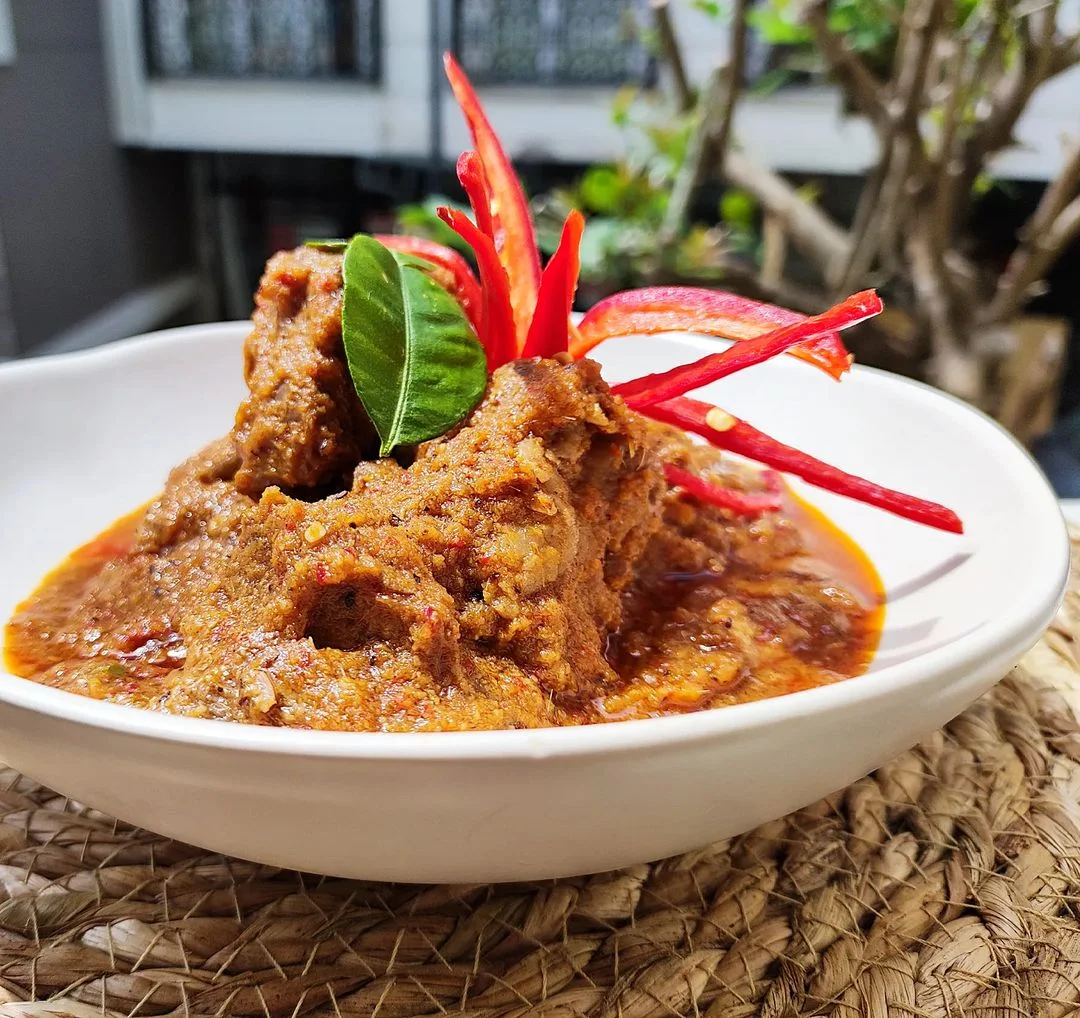
Rendang sapi is beef slowly cooked with a fragrant spice paste, coconut and toasted coconut until tender and richly coated in sauce. It takes patience, but the long, gentle simmer builds deep flavour and makes it a satisfying dish to serve with rice.
Ingredients
- 1 kg (cut into 7.5 cm chunks; pre-boiled if using tougher cuts)beef
- 3 tbspghee or oil
- 1lemongrass stalk, bruised
- 240 ml (1 cup; or 480 ml / 2 cups coconut milk)coconut cream
- 2 tbspkerisik (dry-roasted desiccated coconut, blended or pounded)
- 1 tbspcoconut palm sugar
- 1 tbspsalt
- 1 tbspkaffir lime leaves, deveined and finely sliced
- 320 g (2 cups)onion
- 8 clovesgarlic
- 2lemongrass stalks
- 2.5 cm (1 inch)galangal
- 5 cm (2 inches)ginger
- 1 tbsptoasted coriander seeds
- 1 tbsptoasted fennel seeds
- 2 tsptoasted cumin seeds
- 3 tbspchilli paste
- 240 ml (1 cup)water
Instructions
- 1
Blend the paste
Put the onion, garlic, 2 lemongrass stalks, galangal, ginger, toasted coriander seeds, toasted fennel seeds, toasted cumin seeds and chilli paste in a blender. Blend until smooth, then set aside.
- 2
Heat the pot
Set a large pot over medium-high heat. Add the ghee or oil and the bruised lemongrass stalk.
- 3
Fry the paste
Add the spice paste and fry for 20 minutes, or until the oil separates from it.
- 4
Cook the beef
Add the beef and cook for 30 minutes, stirring often so the sauce does not catch on the bottom of the pot.
- 5
Add the coconut
Turn the heat down to low. Stir in the coconut cream, kerisik, coconut palm sugar and salt, then cook for 30 minutes, stirring often.
- 6
Simmer until tender
Taste and adjust the seasoning, then add the kaffir lime leaves. Continue cooking until the beef is as tender as you like and the sauce has reached your preferred consistency. The source recipe reports that this final stage took 2½ hours; serve with your choice of carbohydrates.
What is rendang sapi?
Rendang sapi is a beef rendang associated with the Minangkabau people of West Sumatra, Indonesia, and is also popular across Malaysia and neighbouring parts of Southeast Asia. It is known for beef cooked slowly with spices and coconut until the sauce becomes concentrated.
This version builds flavour in stages: first frying the blended aromatics, then cooking the beef and finally simmering it with coconut and kerisik. The method gives the sauce time to thicken and cling to the meat.
Nutrition and macros by portion
The nutrition label shows one serving as written: 880 calories, 55g protein, 19g carbs, 64g fat.
| Portion | Adjustment | kcal | Protein | Carbs | Fat |
|---|---|---|---|---|---|
| Lighter | Less coconut cream | 616 kcal | 39g | 13g | 45g |
| This serving | As written | 880 kcal | 55g | 19g | 64g |
| Hungry | Larger beef portion | 1320 kcal | 83g | 29g | 96g |
Beef provides most of the protein, while the coconut cream, ghee or oil, and kerisik contribute much of the fat. The onion and spices supply some carbohydrates, and the rice or other accompaniment adds more; balance the plate with a generous portion of vegetables alongside the rendang.
Build a smooth spice paste
Aromatics: blend the onion, garlic, lemongrass, galangal, ginger and chilli paste until smooth so they cook evenly into the sauce.
Toasted seeds: coriander, fennel and cumin are blended into the paste. Toasting them first brings out their aroma; let them cool before blending if they are still hot.
Fry the paste patiently
The 20-minute frying stage is important for cooking the raw aromatics and concentrating their flavour. Stir regularly and keep the heat controlled so the paste browns without scorching.
Oil separation: the recipe uses this as a cue that the paste has cooked down. If it begins sticking before then, lower the heat and stir more frequently.
Choose the beef and watch the texture
Beef chunks: the recipe specifies pieces about 7.5 cm across and suggests pre-boiling tougher cuts. Keep the pieces similar in size so they cook at a comparable pace.
Tenderness: simmer until the meat is easy to pierce and chew, checking as it cooks. The beef, cut and heat level all affect how long that takes.
Reduce the coconut sauce
Low heat: once the coconut cream, kerisik, sugar and salt go in, keep the pot at a gentle simmer. Stir often, especially as the sauce thickens, to prevent it catching.
Consistency: let the sauce reduce until it coats the beef to your liking. If it becomes thick before the meat is tender, lower the heat and keep stirring carefully.
Finish with lime leaves
Add the finely sliced kaffir lime leaves after tasting and adjusting the seasoning, as directed. Their citrusy fragrance lifts the rich coconut sauce.
Serve the rendang with rice or another carbohydrate of your choice. Plain accompaniments let the spiced beef and concentrated sauce take centre stage.
Recipe notes & tips
- Use a heavy-based pot to help distribute heat during the long simmer.
- Cut the beef into similarly sized chunks for more even cooking.
- Stir more frequently as the sauce thickens, when it is more likely to stick.
- Taste after the coconut mixture has cooked before deciding whether more seasoning is needed.
- Allow extra time for the final simmer, since tenderness depends on the cut of beef.
Variations
- Use coconut milk: the recipe gives 480 ml as an alternative to 240 ml coconut cream.
- Adjust the chilli: use less chilli paste for a milder result or more for extra heat.
- Choose another cut: use a tougher cut, pre-boiling it first as the recipe suggests.
- Serve with rice: pair the rendang with steamed rice to soak up the sauce.
- Add vegetables on the side: serve with cooked greens for contrast with the rich beef.
Common mistakes to avoid
- Scorching the paste: keep the heat controlled and stir regularly throughout frying.
- Skipping the paste-frying stage: cook it for the full 20 minutes, until the oil separates.
- Letting the sauce catch: stir often, particularly after adding the coconut ingredients.
- Expecting a fixed simmer time: cook until the beef is tender and the sauce has reduced to your liking.
- Cutting uneven chunks: make the pieces similar in size so they finish cooking more evenly.
How to store
Cool leftovers promptly and refrigerate in a covered container for up to 3 days. Reheat gently in a saucepan, stirring often; add a small splash of water if the sauce has become too thick.
Frequently asked questions
How long does beef rendang take to cook?
The recipe includes 20 minutes for frying the paste, 30 minutes for cooking the beef, 30 minutes with the coconut ingredients, and a further simmer until tender. The original method says its final simmer took 2½ hours, so allow plenty of time.
Can I use coconut milk instead of coconut cream?
Yes. The ingredient list gives 480 ml (2 cups) coconut milk as the alternative to 240 ml (1 cup) coconut cream. The sauce may take longer to reduce to a thick consistency.
Do I need to pre-boil the beef?
The recipe recommends pre-boiling if you are using a tougher cut. For other cuts, follow the method and simmer until the meat reaches the tenderness you want.
What is kerisik?
Kerisik is desiccated coconut that has been dry-roasted and then blended or pounded. It adds toasted coconut flavour and helps enrich the sauce.
How do I know when the rendang is ready?
The beef should be tender to your preference and the sauce should be reduced to your preferred consistency. Stir often as it thickens so it does not burn on the bottom of the pot.
What should I serve with rendang sapi?
The recipe suggests serving it with a carbohydrate of your choice. Rice is a straightforward option for accompanying the concentrated sauce.
Cook it from the original
This recipe comes from fooooods.com. Their page has the author’s own photos, notes and tips — the best place to cook it from.
Open the recipe on fooooods.com