
Bavette with Fresh Chimichurri from the BBQ
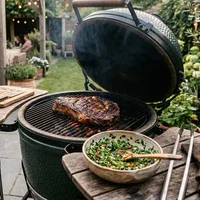
Bavette grilled over a hot barbecue is served in thin slices with a punchy, fresh chimichurri. It is a straightforward way to turn a few minutes over the fire into a flavourful meal for two.
Ingredients
- 1 (approximately 500–700 g)bavette steak
- 1 tbspolive oil
- 1 bunchflat-leaf parsley, finely chopped
- 2 clovesgarlic, finely chopped
- 1red chilli pepper, deseeded and finely chopped
- 2 tbspred wine vinegar
- 100 mlolive oil
- 1 tspdried oregano
- to tastecoarse sea salt
- to tasteblack pepper
Instructions
- 1
Mix the chimichurri
Combine the parsley, garlic, red chilli, oregano and red wine vinegar in a bowl. Slowly pour in the 100 ml olive oil, mixing as you go, then season with salt and pepper. Leave the sauce to stand for at least 10–15 minutes so the flavours can mingle; you can also make it earlier in the day.
- 2
Heat the barbecue
Prepare the barbecue for direct cooking and heat it to approximately 220–250°C.
- 3
Grill the bavette
Pat the steak dry and rub it lightly with the 1 tbsp olive oil. Season generously with salt and pepper, then grill directly over the fire for about 4–5 minutes per side for medium-rare. Aim for an internal temperature of 52–54°C.
- 4
Rest the steak
Take the meat off the barbecue and let it rest under loosely tented aluminium foil.
- 5
Slice and serve
Use a sharp knife to cut the bavette into thin slices against the grain. Serve with a generous spoonful of chimichurri over the meat or alongside it.
What is bavette with chimichurri?
Bavette is a loose-textured cut of beef often called flank steak in the United States. Chimichurri, a vivid herb sauce associated with Argentina and Uruguay, is a classic partner for grilled meat.
This version keeps the barbecue method simple and relies on parsley, garlic, chilli, vinegar and oregano for freshness and tang. Letting the sauce stand while the barbecue heats gives its flavours a little time to come together.
Nutrition and macros by portion
The nutrition label shows one serving as written: 750 calories, 31g protein, 3g carbs, 65g fat.
| Portion | Adjustment | kcal | Protein | Carbs | Fat |
|---|---|---|---|---|---|
| Lighter | Use less chimichurri oil | 525 kcal | 22g | 2g | 46g |
| This serving | As written | 750 kcal | 31g | 3g | 65g |
| Hungry | Add a potato side | 1125 kcal | 47g | 5g | 98g |
The beef provides most of the protein, while the steak and the generous olive oil in the chimichurri contribute most of the fat. The small amount of carbohydrate comes mainly from the parsley, garlic and chilli. Add a generous serving of vegetables or salad alongside to balance the plate.
Build the chimichurri
Fresh herbs: chop the parsley finely so it mixes evenly with the oil and vinegar, but avoid turning it into a paste.
Chilli and garlic: removing the chilli seeds makes its heat easier to manage, while finely chopped garlic spreads through the sauce.
Olive oil and vinegar: add the oil gradually and mix well; the vinegar brings brightness to the rich beef.
Get the barbecue ready
Direct heat: the recipe calls for a hot barbecue at approximately 220–250°C, so the steak cooks quickly and develops colour on the outside.
Dry surface: patting the bavette dry before oiling helps it make better contact with the hot grill. Have the chimichurri and serving plate ready so the steak can rest as soon as it comes off.
Watch the cooking cues
Timing: grill the steak for about 4–5 minutes per side for medium-rare, as directed. The exact time can vary with the steak's thickness and the heat of the barbecue.
Temperature: use a meat thermometer in the thickest part and look for 52–54°C. Rest the steak under loosely tented foil before slicing.
Slice against the grain
Bavette has prominent muscle fibres, so look for the direction they run before cutting. Slice across those fibres into thin pieces to make each bite easier to chew.
Keep the slices thin and serve them with the chimichurri on top or on the side. That way, everyone can choose how much sauce to add.
What to serve alongside
A simple salad or grilled vegetables make a fresh companion to the steak and herb sauce. For a more substantial barbecue plate, serve it with potatoes, bread or another favourite starchy side.
The chimichurri is already lively and aromatic, so mild, simply seasoned sides let it stand out without competing.
Recipe notes & tips
- Make the chimichurri earlier in the day if convenient, and keep it covered until serving.
- Finely chop the parsley and other sauce ingredients for an even texture.
- Pat the steak dry before rubbing it with oil.
- Use a thermometer to check the steak rather than relying on timing alone.
- Let the steak rest before slicing so it is easier to carve neatly.
- Cut thin slices across the direction of the muscle fibres.
Variations
- Milder chilli: use less chilli or leave it out for a gentler sauce.
- Extra tang: add a little more red wine vinegar to the chimichurri.
- Herb mix: replace some of the parsley with fresh coriander for a different flavour.
- Charcoal barbecue: cook over hot coals using the same direct-heat method.
- Serve with potatoes: add grilled or boiled potatoes for a more filling meal.
Common mistakes to avoid
- Skipping the drying step: a damp steak is harder to brown, so pat it dry before grilling.
- Guessing the doneness: check the thickest part with a thermometer and aim for 52–54°C.
- Slicing with the grain: cut across the visible fibres for more tender bites.
- Cutting immediately: rest the steak under loosely tented foil before carving.
- Adding all the oil at once: pour it into the chimichurri gradually and mix as you go.
- Serving the sauce straight away: give it at least 10–15 minutes to stand.
How to store
Refrigerate leftover steak and chimichurri separately in covered containers and use within 3 days. Reheat the steak gently until hot, or enjoy it cold in a salad; serve the chimichurri at room temperature.
Frequently asked questions
Can I make the chimichurri ahead?
Yes. The recipe says it can be made earlier in the day, and it needs at least 10–15 minutes to stand before serving. Keep it covered until needed.
How do I know when the bavette is medium-rare?
The recipe gives a target internal temperature of 52–54°C and an approximate grilling time of 4–5 minutes per side. A thermometer is the clearest way to check.
Do I need to remove the chilli seeds?
Yes, that is how the recipe specifies preparing the chilli. You can use less chilli if you would prefer a milder sauce.
Why should I slice bavette against the grain?
Cutting across the muscle fibres shortens them, making the slices easier to chew. Look for the direction of the fibres before carving.
Can I cook the steak without a barbecue?
The method is written for direct heat on a barbecue. A very hot grill pan can be used as an alternative, though the cooking time may differ.
Can I serve the chimichurri on the side?
Yes. The recipe suggests spooning it over the sliced steak or serving it alongside.
Cook it from the original
This recipe comes from cookinglife.eu. Their page has the author’s own photos, notes and tips — the best place to cook it from.
Open the recipe on cookinglife.eu