
Vegetarian vegetable lasagna
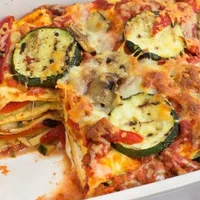
This vegetarian lasagna layers grilled aubergine with spinach, vegetarian mince, tomato passata, olives and cottage cheese instead of pasta sheets. It makes a hearty oven-baked meal, with a soft, savoury filling and a browned cheese topping.
Ingredients
- 2 largeaubergines
- 400 gfresh spinach
- 250 gvegetarian mince
- 1 packettomato passata
- 200 gcottage cheese
- 1onion
- half a jarsliced black olives
- to tastesalt and pepper
- optional, to tastefresh herbs such as basil, thyme or rosemary
- a littleolive oil
Instructions
- 1
Grill the aubergine
Cut the aubergines into slices about 1 cm thick. Grill them in the oven, a grill pan or a contact grill.
- 2
Cook the onion
Chop the onion. Heat a little olive oil in a large pan, such as a wok or skillet, and sauté the onion.
- 3
Brown the mince
Add the vegetarian mince and fry it for about 5–6 minutes.
- 4
Wilt the spinach
Add the spinach in batches, letting each addition shrink down before adding more, until all 400 g has wilted.
- 5
Simmer the sauce
Stir in the passata and simmer briefly over a low heat. Season with salt and pepper, and add fresh herbs if using.
- 6
Layer the lasagna
Cover the base of a baking dish with aubergine slices, then add a layer of the mince mixture and a handful of olives. Repeat with another layer of aubergine, mince mixture and olives, then make a final layer without olives. Finish with the mince mixture on top.
- 7
Bake until ready
Spread the cottage cheese over the dish and bake for 30 minutes at 175°C.
What is vegetable lasagna?
Lasagna is an Italian baked dish traditionally made with pasta sheets layered with a filling and sauce. This version uses grilled aubergine in place of pasta, with spinach, tomato and vegetarian mince between the layers.
Grilling the aubergine first helps it soften before assembly, while cottage cheese gives the top a creamy finish. The recipe is gluten-free only if the vegetarian mince and other packaged ingredients are labelled gluten-free.
Nutrition and macros by portion
The nutrition label shows one serving as written: 590 calories, 37g protein, 55g carbs, 25g fat.
| Portion | Adjustment | kcal | Protein | Carbs | Fat |
|---|---|---|---|---|---|
| Lighter | Use less cottage cheese | 413 kcal | 26g | 39g | 18g |
| This serving | As written | 590 kcal | 37g | 55g | 25g |
| Hungry | Serve with extra salad | 885 kcal | 56g | 83g | 38g |
The aubergine, spinach and passata contribute most of the carbohydrates, while olive oil, olives and cottage cheese contribute fat. Vegetarian mince and cottage cheese provide much of the protein, though the exact amounts depend on the products used. Pair a serving with a generous salad or extra leafy vegetables for a more balanced plate.
Choosing the aubergine
Even slices: Cut the aubergines into slices about 1 cm thick so they soften at a similar rate. Grill them until pliable before layering.
Dry surfaces: If the grilled slices seem wet, let excess moisture evaporate before assembling the dish. This helps keep the layers from becoming watery.
Building the filling
Spinach: Add it in batches because a large pile quickly wilts down. Give each batch room to shrink before adding the next.
Mince and passata: Fry the vegetarian mince for 5–6 minutes, then add the passata and simmer briefly. The filling should be moist enough to spread, but not so loose that it pools in the dish.
Layering for an even bake
Base layer: Arrange aubergine across the bottom of the baking dish, overlapping slices where needed to cover it. Spread the filling evenly over the slices.
Olives: Add them to the first two filling layers, as directed, and leave them off the final one. Keep the cottage cheese for the top.
Checking when it is done
Timing: Bake the assembled dish for 30 minutes at 175°C. The filling is already cooked before baking, so the oven stage heats the layers through and warms the topping.
Doneness: Look for a hot centre and a lightly set cottage-cheese topping. If the top is colouring too quickly, loosely cover the dish for the remaining baking time.
What to serve alongside
A crisp green salad or simply dressed leafy vegetables provide a fresh contrast to the rich, soft layers. Keep the side dressing light if you want the lasagna to remain the main focus.
Let the dish rest briefly after baking so it is easier to portion. Serve straight from the baking dish while warm.
Recipe notes & tips
- Grill the aubergine slices until flexible so they are easy to layer.
- Add spinach gradually; it takes up much less space once wilted.
- Use a large pan so the filling is easier to stir as the spinach shrinks.
- Taste the tomato mixture before layering and adjust the seasoning.
- Spread the cottage cheese evenly so the whole top warms through.
- Rest the baked lasagna briefly before cutting or spooning out portions.
Variations
- Herb-forward: Add fresh basil, thyme or rosemary to the passata mixture.
- Extra olives: Add more sliced black olives between the layers for a saltier, brinier flavour.
- More greens: Stir extra spinach into the filling in batches until wilted.
- Cheesier top: Mix a little extra cottage cheese into the topping layer.
- Milder flavour: Use fewer olives and season the filling gradually.
Common mistakes to avoid
- Thick aubergine slices: They may stay firm; aim for slices about 1 cm thick and grill them before layering.
- Adding all the spinach at once: It can crowd the pan; wilt it in batches.
- Skipping the mince browning: The filling can taste less developed; fry it for the stated 5–6 minutes first.
- Watery filling: The layers may turn loose; simmer the passata mixture briefly and let excess moisture from the aubergine evaporate.
- Uneven layers: Some portions may be mostly filling or aubergine; spread each layer across the dish.
How to store
Cool leftovers promptly, cover or transfer them to an airtight container, and refrigerate for up to 3 days. Reheat until piping hot throughout in the oven or microwave; the aubergine layers will be softer after storing.
Frequently asked questions
Can I make this lasagna ahead?
You can grill the aubergine and prepare the filling ahead, then assemble and bake when ready. Keep the prepared components covered in the fridge and use them within a day.
Can I use frozen spinach?
Yes, thaw it and squeeze out excess water before adding it to the pan. This helps prevent a watery filling.
Is this recipe gluten-free?
It contains no pasta sheets, but check the labels on the vegetarian mince and passata, as packaged products can vary. Choose products marked gluten-free if needed.
Can I use another cheese instead of cottage cheese?
You can use another soft cheese that spreads over the top, though the flavour and texture will change. The original method calls for cottage cheese.
How do I know the lasagna is ready?
After 30 minutes at 175°C, it should be hot through and the topping should look lightly set. If the centre is not hot yet, continue baking until it is.
Can I freeze leftovers?
Yes. Cool portions, wrap or seal them well and freeze. Thaw in the fridge before reheating until piping hot throughout.
Cook it from the original
This recipe comes from cookinglife.eu. Their page has the author’s own photos, notes and tips — the best place to cook it from.
Open the recipe on cookinglife.eu