
Palermitan-style stuffed artichokes
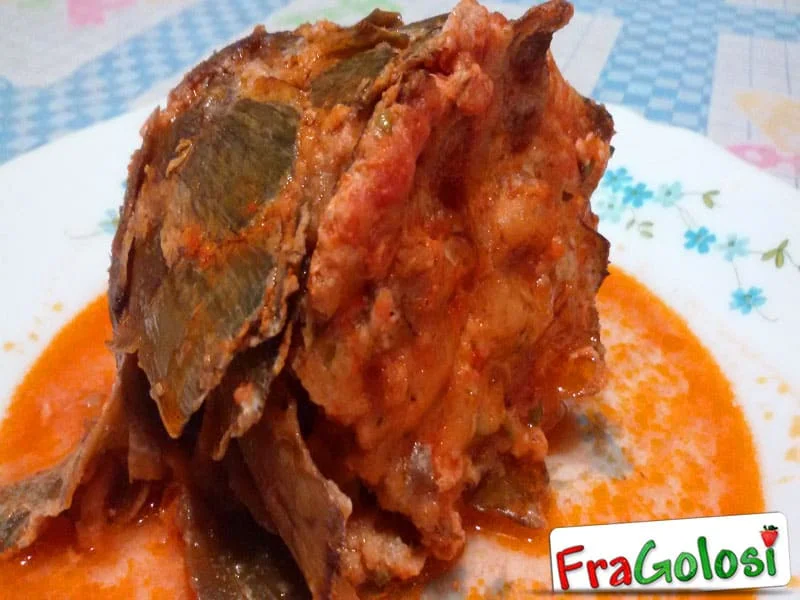
Palermitan-style stuffed artichokes are filled with a savoury breadcrumb mixture, browned, then simmered upright in tomato sauce. They make a generous Sicilian-inspired centrepiece, best served warm with plenty of sauce.
Ingredients
- 8artichokes
- Juice of 1lemon
- 1onion
- 250 gbreadcrumbs
- 2 tbsppine nuts
- 2 tbspraisins
- 50 ggrated caciocavallo or Parmesan; extra cheese, cut into small pieces, optional
- To taste, optionalsalami
- 1egg
- 800 mlpassata
- 1 tbsptomato purée
- 1 clove, peeled; a few leavesgarlic; basil
- 1 tspsugar
- 2 tbsp for the filling and 5 tbsp for the sauce, plus a drizzle to finishextra-virgin olive oil
- To tastesalt
- To tastechilli
Instructions
- 1
Prepare artichokes
Trim away the tough outer leaves and part of each stem. Remove some of the inner leaves to make a cavity, then keep the artichokes in water acidulated with the lemon juice until you are ready to fill them.
- 2
Make the filling
Meanwhile, soften the onion in 2 tablespoons of oil. Take the pan off the heat and mix in the breadcrumbs, pine nuts, raisins, salt and pepper.
- 3
Fill the artichokes
Stir in the grated cheese and, if you like, small pieces of extra cheese and salami or another cured sausage. Drain the artichokes upside down, then work the filling between the leaves.
- 4
Seal the tops
Beat the egg and pour it over the artichokes. Fry their tops first so the filling sets and seals.
- 5
Brown the artichokes
Fry the artichokes on all sides, then set them aside. For the sauce, heat 5 tablespoons of oil in a saucepan and gently colour the crushed garlic clove with the chilli.
- 6
Cook the sauce
When the garlic is lightly golden, add the passata, the tomato purée dissolved in a glass of water, and a few basil leaves torn by hand.
- 7
Simmer the sauce
Season with salt and add the teaspoon of sugar to temper the tomatoes' acidity. Stir with a wooden spoon and simmer covered over a low heat for 10 minutes, stirring from time to time.
- 8
Add the artichokes
Remove the garlic, then stand the artichokes upright in the sauce with their openings facing upwards. Add a little hot water if needed.
- 9
Finish cooking
Cook for about 15–20 minutes. Once done, take the pan off the heat and drizzle the artichokes with a little raw olive oil.
- 10
Serve warm
Serve the stuffed artichokes preferably warm, with a few spoonfuls of tomato sauce.
What are Palermitan-style stuffed artichokes?
Carciofi ripieni alla palermitana are a Sicilian way of turning whole artichokes into a substantial, filled dish. This version layers breadcrumbs, cheese, pine nuts and raisins inside the leaves, then cooks the artichokes upright in tomato sauce.
The filling brings savoury, sweet and nutty notes together, while the sauce keeps the artichokes moist. Browning them first helps the filling stay in place during the simmer.
Nutrition and macros by portion
The nutrition label shows one serving as written: 700 calories, 22g protein, 75g carbs, 35g fat.
| Portion | Adjustment | kcal | Protein | Carbs | Fat |
|---|---|---|---|---|---|
| Lighter | Skip salami and extra cheese | 490 kcal | 15g | 53g | 25g |
| This serving | As written | 700 kcal | 22g | 75g | 35g |
| Hungry | Serve with crusty bread | 1050 kcal | 33g | 113g | 53g |
Breadcrumbs and raisins provide much of the carbohydrate, while olive oil and cheese contribute most of the fat. The artichokes add fibre, and the egg, cheese and optional salami supply protein. Balance the plate with a simple salad or extra non-starchy vegetables.
Preparing the artichokes
Trim carefully: Remove the tough outer leaves and enough stem to make the artichokes sit securely. Open the centre by taking out some inner leaves, making room for the filling.
Keep them in lemon water: The cut surfaces can discolour while you prepare the rest. Drain them upside down before stuffing so excess water does not dilute the filling.
Building the filling
Soften the onion: Cook it in the first 2 tablespoons of oil until tender, then take it off the heat before adding the breadcrumbs. This keeps the crumbs from frying hard in the pan.
Balance the flavours: Pine nuts and raisins bring texture and gentle sweetness to the breadcrumb base. Caciocavallo or Parmesan adds savouriness; the extra cheese and salami are optional additions.
Sealing and browning
Fill between the leaves: Press the mixture into the spaces rather than piling it only into the centre, so each bite gets some filling. Beat the egg and pour it over the tops before frying.
Brown gently: Start with the tops to set the egg and help hold the filling in place. Then turn the artichokes carefully to brown the other sides without loosening their stuffing.
Getting the sauce right
Dissolve the purée: Mix the tomato purée with a glass of water before adding it to the passata, as directed. The garlic should be lightly golden, not dark, before the tomatoes go in.
Keep it at a low simmer: Cook the covered sauce for 10 minutes, stirring occasionally. Sugar is included to temper the tomatoes' acidity; taste before adding extra salt.
Checking doneness and timing
Stand them upright: Arrange the artichokes with their openings above the sauce so the filling stays in place as they cook. Add a little hot water if the sauce looks too thick or the pan is drying out.
Allow 15–20 minutes in the sauce, as the recipe specifies. Check that the leaves have softened enough to pull away easily, and serve the finished dish warm rather than piping hot.
Serving ideas
Spoon tomato sauce over each artichoke when serving, and finish with the recipe's drizzle of olive oil. A simple green salad or plainly cooked vegetables make a fresh contrast to the rich filling.
The artichokes can be served as a main course or shared as part of a larger meal. If serving bread alongside, use it to catch the tomato sauce.
Recipe notes & tips
- Keep the trimmed artichokes in lemon water while you prepare the filling to limit discolouration.
- Drain the artichokes upside down before stuffing so the filling does not become watery.
- Press the filling between the leaves to distribute it throughout each artichoke.
- Fry the tops first, as this helps the beaten egg set around the filling.
- Use a pan that holds the artichokes upright without crowding them.
- Add hot water a little at a time if the sauce becomes too thick during the final simmer.
Variations
- Use Parmesan: Replace the caciocavallo with the same amount of grated Parmesan.
- Add salami: Tuck small pieces into the filling for a more savoury version.
- Include extra cheese: Add small pieces of cheese to the breadcrumb mixture before stuffing.
- Adjust the chilli: Use less for a milder sauce or more if you prefer extra heat.
Common mistakes to avoid
- Skipping the lemon water: The cut artichokes can discolour; keep them submerged until you are ready to fill them.
- Leaving them wet: Excess water can loosen the filling; drain the artichokes upside down.
- Frying only the tops: The recipe calls for browning all sides; turn them carefully after sealing the tops.
- Darkening the garlic: It can turn bitter; add the tomatoes as soon as it is lightly golden.
- Boiling the sauce hard: A vigorous boil can disturb the artichokes; keep the pan covered over a low heat.
- Letting the pan dry out: Add a little hot water as needed so the artichokes can finish cooking in the sauce.
How to store
Cool leftovers promptly and refrigerate in a covered container for up to 3 days. Reheat gently in a covered pan with a splash of water until piping hot throughout.
Frequently asked questions
Can I prepare the artichokes ahead?
You can trim them and keep them in lemon water while you prepare the filling. For best results, stuff and cook them close to serving time.
How do I know when the artichokes are cooked?
The leaves should be tender enough to pull away easily. The recipe allows about 15–20 minutes of cooking in the sauce.
Can I leave out the salami?
Yes. Salami is optional, and the breadcrumb, cheese, pine nut and raisin filling works without it.
What can I use instead of caciocavallo?
The recipe gives grated Parmesan as an alternative. You can also omit the optional extra cheese pieces.
Why add sugar to the tomato sauce?
The teaspoon of sugar is used to temper the acidity of the tomatoes. It does not replace seasoning, so taste the sauce for salt as well.
Can I freeze the cooked artichokes?
The texture of cooked artichokes may soften after freezing, so refrigeration is preferable. If you do freeze them, thaw overnight in the fridge and reheat gently in the sauce.
Cook it from the original
This recipe comes from fragolosi.it. Their page has the author’s own photos, notes and tips — the best place to cook it from.
Open the recipe on fragolosi.it