
Gluten-free Speculaas Chunks
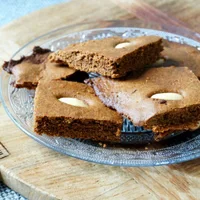
These Dutch-inspired speculaas chunks are crisp, warmly spiced biscuits made with rice and almond flour, coconut oil and coconut blossom sugar. Chill the dough before baking, then let it cool fully so it firms up enough to break into pieces.
Ingredients
- 150 grice flour
- 150 g (or use 300 g self-raising gluten-free flour)almond flour
- 50 gcoconut blossom sugar
- 160 gcoconut oil
- 25 gspeculaas spice mix
- 1 teaspoonvanilla extract
- 75 mlalmond milk
- 1 teaspooncinnamon
- 1 teaspooncream of tartar (baking powder)
- a handfulflaked almonds or blanched almonds
Instructions
- 1
Preheat the oven
Heat the oven to 175°C and line a baking tray with baking paper.
- 2
Mix dry ingredients
In a large bowl, combine the rice flour, almond flour, coconut blossom sugar, speculaas spice mix, cinnamon and cream of tartar (baking powder).
- 3
Make the dough
Melt the coconut oil in a separate small bowl. Add it to the dry ingredients with the vanilla extract and almond milk, then knead briefly until combined.
- 4
Chill the dough
Wrap the dough in aluminium foil and refrigerate it for at least 2 hours.
- 5
Roll and top
Roll the dough out to about 1–2 cm thick. Scatter the almonds over it and press them in lightly.
- 6
Bake and cool
Bake on the prepared tray at 175°C for 15 minutes, until nicely crisp. Leave the baked dough to cool completely; it will harden as it cools, then break it into chunks.
- 7
Serve and store
Arrange the chunks on a serving platter. Store any leftovers in an airtight container at room temperature.
What are speculaas chunks?
Speculaas is a Dutch spiced biscuit traditionally associated with Sinterklaas and also enjoyed around Christmas. These chunks keep the familiar warm spice profile but use rice and almond flour in place of wheat flour.
The dough is baked as one sheet and broken up after cooling, giving the pieces a rustic, crisp finish. Almonds pressed onto the surface add a little crunch.
Nutrition and macros by portion
The nutrition label shows one serving as written: 400 calories, 6g protein, 26g carbs, 31g fat.
| Portion | Adjustment | kcal | Protein | Carbs | Fat |
|---|---|---|---|---|---|
| Lighter | Use a smaller chunk | 280 kcal | 4g | 18g | 22g |
| This serving | As written | 400 kcal | 6g | 26g | 31g |
| Hungry | Serve a larger portion | 600 kcal | 9g | 39g | 47g |
Most of the carbohydrates come from the rice flour and coconut blossom sugar, while the almond flour contributes both protein and fat. Coconut oil is the main source of fat, with almonds adding some more. Pair a serving with fresh fruit or unsweetened yoghurt for a more balanced snack.
The flour and spice mix
Rice flour: this provides the gluten-free base, while almond flour brings richness and helps give the chunks a tender, crumbly bite.
Speculaas spice: the 25 g measure makes the spice mix a prominent flavour, with cinnamon adding another aromatic note. If using the suggested self-raising gluten-free flour alternative, follow the recipe's 300 g total quantity.
Getting the dough together
Melted coconut oil: mix it into the dry ingredients with the almond milk and vanilla, kneading only briefly to bring the dough together. The dough should be workable enough to roll after chilling.
Chilling: wrap the dough and refrigerate it for at least 2 hours before rolling. This rest is part of the method, so allow for it when planning your baking.
Rolling and adding almonds
Thickness: roll the dough to about 1–2 cm thick so it bakes as a single slab. Keeping the thickness even helps the pieces bake at a similar rate.
Almond topping: scatter the flaked or blanched almonds over the dough and press them in lightly. This helps them stay in place when the slab is baked and broken.
Baking and cooling
Oven: bake at 175°C for 15 minutes, until the slab looks nicely crisp. The recipe gives a set time, so check the surface at the end of baking.
Cooling: let the slab cool completely before breaking it up. It hardens as it cools, so handling it while warm may leave the chunks softer or more fragile.
Serving the chunks
These spiced bites suit a festive platter, especially alongside coffee or tea. Their crisp, sweet-spiced flavour also makes them easy to share as a small treat.
For a more balanced snack plate, serve a few chunks with fresh fruit or unsweetened yoghurt. Keep the pieces in an airtight container between servings to protect their crispness.
Recipe notes & tips
- Measure the dough thickness carefully, aiming for 1–2 cm throughout.
- Use baking paper so the slab can be lifted away from the tray more easily.
- Press the almonds gently into the dough so they are less likely to fall off.
- Leave the baked slab alone until completely cool, as this is when it hardens.
- Break the cooled slab into pieces by hand for a rustic mix of chunk sizes.
Variations
- Blanched almonds: use them instead of flaked almonds for larger pieces of crunch.
- Flaked almonds: scatter these over the surface for a finer, even topping.
- Self-raising flour: replace the rice and almond flours with 300 g self-raising gluten-free flour, as suggested in the ingredient list.
- Festive spice: adjust the spice balance by using a different speculaas spice mix, while keeping the stated amount.
- Smaller pieces: break the cooled slab into bite-sized chunks for sharing.
Common mistakes to avoid
- Skipping the chill: the dough needs at least 2 hours in the fridge before rolling.
- Rolling unevenly: aim for a consistent 1–2 cm thickness so the slab bakes more evenly.
- Leaving almonds loose: press them lightly into the surface before baking.
- Breaking it while warm: wait until the slab is completely cool so it can harden.
- Storing uncovered: use an airtight container at room temperature to help keep the chunks crisp.
How to store
Once completely cool, store the chunks in an airtight container at room temperature. The recipe does not specify a storage duration; keep them sealed and check their texture before serving. No reheating is needed.
Frequently asked questions
How long does the dough need to chill?
Refrigerate it for at least 2 hours, wrapped in aluminium foil, before rolling.
How thick should I roll the dough?
Roll it to about 1–2 cm thick, keeping the thickness as even as you can.
When should I break the slab into chunks?
Wait until it has cooled completely. The slab hardens as it cools, which makes it easier to break into pieces.
Can I use a different gluten-free flour?
The recipe suggests using 300 g self-raising gluten-free flour instead of the 150 g rice flour and 150 g almond flour.
Can I use flaked almonds instead of blanched almonds?
Yes. The recipe allows either flaked or blanched almonds; scatter them over the dough and press them in lightly.
Cook it from the original
This recipe comes from cookinglife.eu. Their page has the author’s own photos, notes and tips — the best place to cook it from.
Open the recipe on cookinglife.eu