
Gluten-free Easter stollen with sugar-free almond filling
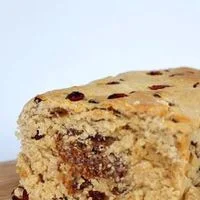
This Dutch-inspired Easter stollen wraps a date-and-almond filling in a soft gluten-free dough dotted with raisins. It makes a festive brunch bake with a citrus note and a tenderer texture than many crumbly gluten-free loaves.
Ingredients
- 450 ggluten-free self-raising flour
- 14 gdried yeast
- 225 mloat milk or almond milk
- 100 gcoconut oil
- 40 gcoconut blossom sugar
- 1egg
- zest of 1lemon
- 250 graisins
- 200 galmonds or almond flour
- 175 gMedjool dates
- juice of ½–1lemon
Instructions
- 1
Soak the raisins
Soak the raisins for about 30 minutes.
- 2
Preheat the oven
Heat the oven to 190°C.
- 3
Mix the dry ingredients
In a large bowl, combine the gluten-free self-raising flour, yeast, coconut blossom sugar and lemon zest.
- 4
Warm the wet ingredients
Melt the coconut oil with the oat or almond milk in a small saucepan. Add this mixture and the egg to the bowl, then mix well with a mixer or fork.
- 5
Add the raisins
Drain the soaked raisins and mix them into the dough. If it is too sticky, add about 1 tablespoon of gluten-free flour, such as rice flour, and knead well.
- 6
Blend the filling
Put the almonds or almond flour, pitted Medjool dates and lemon juice in a food processor. Blend until fine, then knead the mixture into a filling dough.
- 7
Layer the stollen
Line a loaf tin or baking pan with parchment paper. Press half the bread dough into it to make a layer that fills about two-fifths of the pan. If possible, shape the almond filling into a long piece and press it onto the dough, then cover it with the remaining dough.
- 8
Let it rise
Cover the pan with a tea towel and leave the dough to rise for about 30–40 minutes.
- 9
Bake the stollen
Bake for about 30–40 minutes, until cooked through.
What is Easter stollen?
Stollen is a festive yeast bread associated with German Christmas baking; this recipe gives it an Easter brunch setting and a Dutch-inspired context. It has a fruit-studded dough and a sweet filling running through the middle.
Gluten-free flour forms the base, while the date-and-almond centre adds richness and helps give each slice a soft, substantial bite.
Nutrition and macros by portion
The nutrition label shows one serving as written: 5250 calories, 80g protein, 800g carbs, 220g fat.
| Portion | Adjustment | kcal | Protein | Carbs | Fat |
|---|---|---|---|---|---|
| Lighter | Smaller slice, extra fruit | 3675 kcal | 56g | 560g | 154g |
| This serving | As written | 5250 kcal | 80g | 800g | 220g |
| Hungry | Larger slice | 7875 kcal | 120g | 1200g | 330g |
The flour, raisins and dates provide most of the carbohydrate, while coconut oil and almonds contribute much of the fat; the almonds, egg and flour also supply protein. Since the recipe lists one serving for the whole loaf, divide it into slices and pair a slice with yoghurt or another protein-rich side for a more balanced plate.
Choosing the ingredients
Flour: Use the specified gluten-free self-raising flour. The recipe also includes dried yeast, so follow the method and allow the shaped loaf time to rise.
Milk: Either oat or almond milk works here. The recipe does not specify sweetened or unsweetened milk, so use whichever you have to hand.
Almonds: Whole almonds can be blended into the filling, or almond flour can be used directly. Medjool dates and lemon juice bind the filling and give it a bright, fruity flavour.
Getting the dough right
Mix the melted coconut oil and milk into the dry ingredients with the egg before adding the raisins. Gluten-free dough can feel stickier than wheat dough, so judge its texture before adding any extra flour.
If needed, add about 1 tablespoon of gluten-free flour and knead the dough well. Add only a little at a time so the loaf does not become dry.
Making the almond centre
Blend the almonds, pitted dates and lemon juice until the mixture is fine, then knead it into a cohesive filling. The recipe gives a range of lemon juice; add enough to help the mixture come together without making it too wet to shape.
Shape the filling into a long piece if you can. This makes it easier to place in the centre and helps keep the layers distinct.
Layering and rising
Base: Press half the dough into the lined tin, filling about two-fifths of its depth. Keep the base fairly even so the filling sits in the middle.
Cover: Place the almond filling on the base and cover it with the remaining dough, sealing the edges as best you can. Cover the pan with a tea towel and leave it to rise for 30–40 minutes.
Baking and doneness
Bake at 190°C for about 30–40 minutes. The recipe does not give a more specific doneness test, so check that the loaf is set and baked through before taking it out.
The tin and loaf shape can affect the baking time, so start checking towards the shorter end of the stated range.
Serving at brunch
Let the loaf settle before slicing so the filling is easier to cut through. Serve it plain or with a savoury side such as fruit and yoghurt for a brunch spread.
The raisins, lemon zest and date filling already bring plenty of sweetness and flavour, so additional toppings are optional.
Recipe notes & tips
- Pit the Medjool dates before adding them to the food processor.
- Drain the raisins well so they do not add excess moisture to the dough.
- Use parchment paper to make it easier to lift the baked loaf from the tin.
- Add any extra gluten-free flour gradually, only if the dough is too sticky to handle.
- Keep the almond filling in a long, even shape for a more consistent centre.
Variations
- Use almond flour: Blend it with the dates and lemon juice instead of whole almonds.
- Choose oat milk: Use oat milk in place of almond milk for the dough.
- Choose almond milk: Use almond milk in place of oat milk for the dough.
- Adjust the lemon: Use juice from half a lemon for a gentler citrus note, or up to one lemon for more tang.
- Shape it in a pan: Use a lined baking pan instead of a loaf tin, as the recipe allows.
Common mistakes to avoid
- Skipping the soak: Soak the raisins for about 30 minutes before adding them to the dough.
- Adding too much flour: If the dough is sticky, add only about 1 tablespoon at a time so it does not dry out.
- Leaving the dates whole: Pit them before blending so the filling becomes smooth and safe to eat.
- Making the filling too wet: Add the lemon juice gradually until the almond mixture can be kneaded into a shape.
- Rushing the rise: Cover the pan and allow the dough 30–40 minutes to rise before baking.
How to store
Cool the loaf, then keep it wrapped or in an airtight container at room temperature for up to 2 days, or refrigerate it for up to 5 days. Reheat slices briefly in a low oven or microwave until warmed through.
Frequently asked questions
Can I use almond flour instead of whole almonds?
Yes. The recipe allows either almonds or almond flour for the filling; blend the chosen ingredient with the pitted dates and lemon juice.
Which milk should I use?
Use either oat milk or almond milk. The recipe does not specify a particular type.
Why is my gluten-free dough sticky?
Gluten-free dough can be sticky and may need a little extra flour. Add about 1 tablespoon of gluten-free flour, such as rice flour, and knead well.
How long should the loaf rise?
Cover the pan with a tea towel and leave it for about 30–40 minutes before baking.
How long does the stollen bake?
Bake it at 190°C for about 30–40 minutes. Check that it is set and cooked through, as tin size can affect the timing.
Can I make the filling without a food processor?
The method uses a food processor to blend the almonds, dates and lemon juice finely. A processor is the method specified in the recipe.
Cook it from the original
This recipe comes from cookinglife.eu. Their page has the author’s own photos, notes and tips — the best place to cook it from.
Open the recipe on cookinglife.eu