
Vegan Bolognese
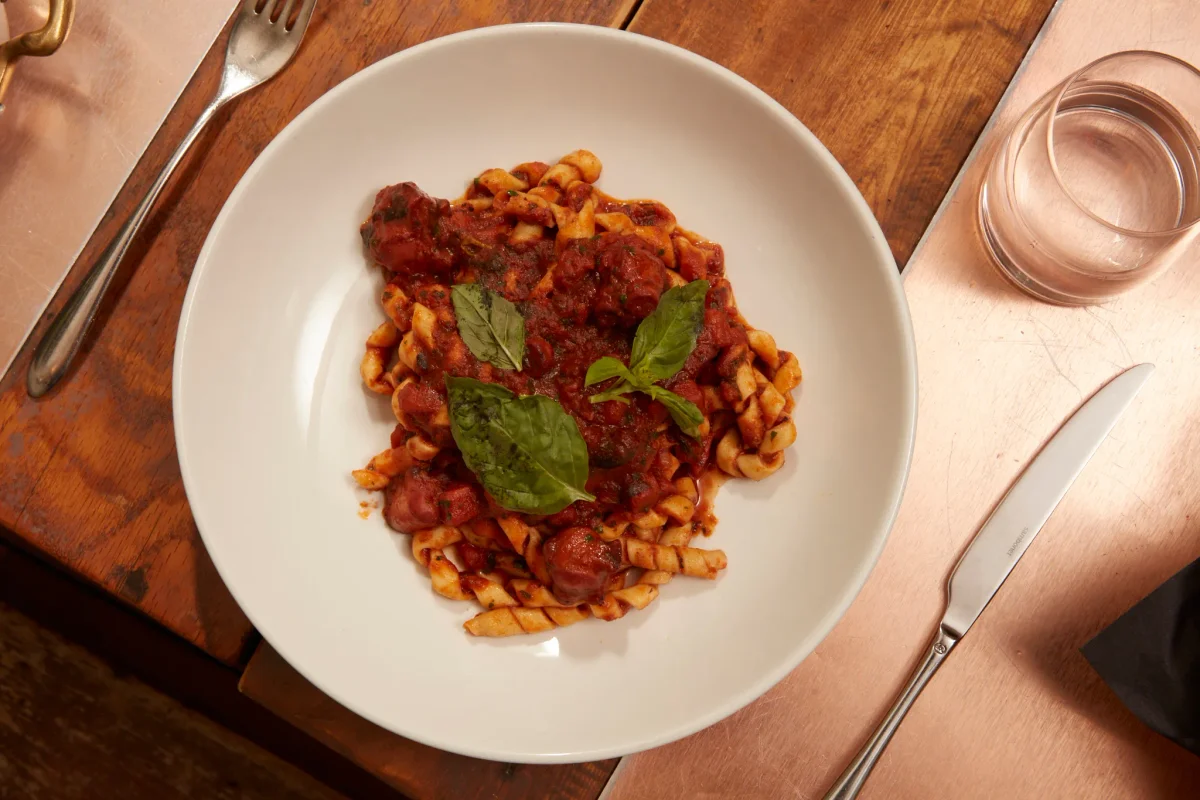
This rich vegan Bolognese combines mixed mushrooms and dried porcini with pecans, tomato sauce and herbs. Make it for a hearty pasta sauce or use it to layer a vegetarian lasagna.
Ingredients
- 120 ml (½ cup)extra virgin olive oil
- 1 mediumonion, coarsely chopped
- 2garlic cloves
- 2celery stalks, peeled and coarsely chopped
- 2carrots, coarsely chopped
- 454 g (1 lb)mixed mushrooms
- 454 g (1 lb)pecans
- 85 g (3 oz)dried porcini mushrooms
- 907 g (32 oz)tomato sauce
- 1.89 litres (2 qt)vegetable stock
- 1 glassred wine (optional)
- 28 g (1 oz)sage and rosemary, finely chopped
- to tastesalt and pepper
- to garnishfresh parsley
Instructions
- 1
Sauté the vegetables
Finely chop the carrots, celery, garlic and onion. Sauté them in the olive oil until lightly golden.
- 2
Cook the pecans
Add the pecans and dried porcini mushrooms, then sauté until the mushrooms are tender.
- 3
Add mushrooms
Chop the mixed mushrooms and add them to the pot.
- 4
Add liquids
Pour in the tomato sauce, the optional glass of red wine and the vegetable stock.
- 5
Simmer the sauce
Let the liquid simmer until the broth has dried up.
- 6
Stir in herbs
Add the sage and rosemary, then stir them through the sauce.
- 7
Garnish with parsley
Finish with fresh parsley.
- 8
Serve the sauce
Use the Vegan Bolognese with fresh tagliatelle or to assemble a vegetarian lasagna.
- 9
Enjoy the meal
Enjoy.
What is vegan Bolognese?
Bolognese is a sauce traditionally associated with Bologna in Italy, usually served with pasta or used in layered dishes. This plant-based version replaces meat with mushrooms and pecans.
Dried porcini add a concentrated mushroom flavour, while tomato sauce and herbs make a savoury base. The pecans bring richness and a substantial texture.
Nutrition and macros by portion
The nutrition label shows one serving as written: 1240 calories, 21g protein, 43g carbs, 111g fat.
| Portion | Adjustment | kcal | Protein | Carbs | Fat |
|---|---|---|---|---|---|
| Lighter | Use less olive oil | 868 kcal | 15g | 30g | 78g |
| This serving | As written | 1240 kcal | 21g | 43g | 111g |
| Hungry | Larger pasta portion | 1860 kcal | 32g | 65g | 167g |
Pecans and olive oil provide most of the energy and fat, while the vegetables, tomato sauce and stock contribute much of the carbohydrates. Pecans and mushrooms supply some protein, though the amount can vary by brand and ingredient. Serve the sauce with a moderate portion of tagliatelle and add vegetables on the side to balance the plate.
The key ingredients
Mixed mushrooms: chopping them gives the sauce varied, meaty pieces. Dried porcini contribute a deeper, more intense mushroom note.
Pecans: these add richness and texture. Chop them if you prefer smaller pieces in the finished sauce.
Building the flavour
Vegetable base: cook the onion, garlic, celery and carrots until lightly golden, as directed. Keep the pieces very finely chopped so they blend into the sauce.
Wine: the red wine is optional, so leave it out if you prefer. The recipe adds it with the tomato sauce and stock.
Getting the consistency right
Simmering: let the liquid reduce until the broth has dried up, as the method specifies. Keep an eye on the pot as it thickens so the sauce does not catch on the bottom.
Finish: stir in the sage and rosemary at the end, then add fresh parsley to garnish.
How to serve it
Pasta: spoon the sauce over fresh tagliatelle, as suggested in the recipe. Toss the pasta with the sauce so it is well coated.
Lasagna: use the sauce as a layer in a vegetarian lasagna. Its thick, mushroom-rich texture suits a baked dish.
Timing and preparation
This recipe lists a total time of 30 minutes, though the sauce is ready when the broth has reduced as described. Chop the vegetables and mushrooms before cooking to make the steps easier to follow.
The method does not specify soaking the dried porcini, so add them as directed in the recipe.
Recipe notes & tips
- Finely chop the onion, carrot, celery and garlic so they cook evenly.
- Use a broad pot to give the liquid room to reduce.
- Stir as the sauce thickens to help prevent it catching on the base.
- Add the herbs at the end to preserve their fresh flavour.
- Taste and adjust the salt and pepper before serving.
Variations
- Leave out the wine: make the sauce without the optional red wine.
- Change the herbs: use sage and rosemary in the proportions you prefer.
- Serve with pasta: pair the sauce with fresh tagliatelle as suggested.
- Make lasagna: use the sauce to assemble a vegetarian lasagna.
- Adjust the pecan texture: chop the nuts more finely for smaller pieces in the sauce.
Common mistakes to avoid
- Roughly chopped vegetables: they may cook unevenly; chop them very finely as the method directs.
- Stopping too soon: the sauce may remain thin; simmer until the broth has dried up.
- Leaving the pot unattended: thickening sauce can catch on the bottom; keep an eye on it as it simmers.
- Adding herbs too early: their flavour can fade during cooking; stir them in at the end.
- Forgetting the garnish: finish with fresh parsley as directed.
How to store
Refrigerate leftover sauce in a covered container and use within 3–4 days. Reheat gently in a saucepan, stirring until hot throughout; loosen with a little water if needed.
Frequently asked questions
Can I leave out the red wine?
Yes. The recipe marks it as optional, so you can omit it and continue with the tomato sauce and vegetable stock.
How do I know when the sauce is ready?
The method says to simmer until the broth has dried up. The sauce should no longer have a pool of thin liquid.
What can I serve with vegan Bolognese?
The recipe suggests fresh tagliatelle or using the sauce in a vegetarian lasagna.
Can I make the sauce ahead?
Yes. Cook it ahead, refrigerate it in a covered container and reheat it gently before serving.
Can I freeze the sauce?
It should freeze well in an airtight, freezer-safe container. Thaw it in the refrigerator and reheat thoroughly before serving.
Cook it from the original
This recipe comes from appetitomagazine.com. Their page has the author’s own photos, notes and tips — the best place to cook it from.
Open the recipe on appetitomagazine.com