
Ricotta ravioli
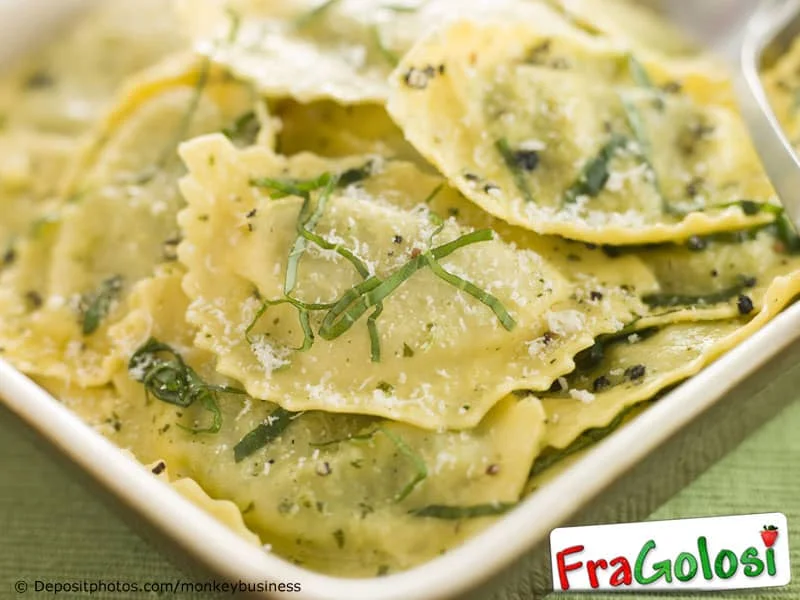
These ricotta ravioli pair a soft sheep’s ricotta and herb filling with fresh egg pasta, finished in saffron butter. Making them from scratch takes a little care, but the filling can be prepared ahead while the pasta dough rests.
Ingredients
- 300 gplain flour
- 3eggs
- 1 tablespoonoil
- to tastesalt
- 500 gsheep’s milk ricotta
- 50 ggrated pecorino
- a few sprigsparsley
- a few leavesmint
- to tastesalt
- 120 gbutter
- 1 sachetsaffron
- 50 ggrated Parmesan
- to tastechopped parsley
Instructions
- 1
Prepare the filling
Finely chop the washed and dried parsley and mint. Put the ricotta in a bowl and mash it with a fork until softened.
- 2
Mix the filling
Stir in the pecorino, chopped herbs, salt and pepper, mixing until evenly combined.
- 3
Chill the filling
Leave the filling to rest in the fridge. Meanwhile, tip the flour onto a work surface and shape it into a well.
- 4
Knead the dough
Add a pinch of salt and pour the beaten eggs into the well. Draw in the flour first with a fork, then with your hands, and knead for about 10 minutes until the dough is firm and elastic.
- 5
Rest and roll
Shape the dough into a ball, wrap it in cling film and leave it to rest for 30 minutes. Dust the work surface with flour, then roll out the dough with a rolling pin.
- 6
Shape the ravioli
Use a fluted cutter to cut equal-sized discs. Add some ricotta filling to each, fold the discs into half-moons and press around the filling to push out any trapped air.
- 7
Seal and dry
Press the edges firmly to seal the ravioli. Set them on a floured tea towel to dry while you melt the butter in a large frying pan over very low heat.
- 8
Make the butter sauce
Take the pan off the heat. Stir in the saffron, first dissolved in a tablespoon of boiling water, until well combined.
- 9
Keep the sauce warm
Keep the saffron butter warm while you finish preparing the ravioli.
- 10
Cook and serve
Boil the ravioli in plenty of salted water. Drain them as soon as they rise to the surface and add them to the pan with the butter. Toss to coat, sprinkle with grated Parmesan and chopped parsley, and serve immediately.
What are ricotta ravioli?
Ravioli are filled parcels of pasta associated with Italian cooking, with shapes and fillings that vary from region to region. This version wraps sheep’s ricotta, pecorino and fresh herbs in egg pasta.
Herbs give the creamy filling a fresh edge, while saffron butter brings colour and a fragrant finish. The recipe’s separate filling and dough stages make it easier to assemble the ravioli once both are ready.
Nutrition and macros by portion
The nutrition label shows one serving as written: 590 calories, 23g protein, 39g carbs, 36g fat.
| Portion | Adjustment | kcal | Protein | Carbs | Fat |
|---|---|---|---|---|---|
| Lighter | Less butter, more salad | 413 kcal | 16g | 27g | 25g |
| This serving | As written | 590 kcal | 23g | 39g | 36g |
| Hungry | Larger ravioli portion | 885 kcal | 35g | 59g | 54g |
The pasta flour supplies most of the carbohydrates, while butter and ricotta contribute much of the fat; ricotta, eggs and the two cheeses provide protein. Balance a serving with a generous portion of green vegetables or salad.
The ricotta filling
Ricotta: Mash it with a fork before mixing so the filling is soft and easier to portion. If it seems very wet, drain off excess liquid so it is less likely to seep into the pasta.
Herbs and cheese: Finely chopped parsley and mint distribute through the filling, while pecorino adds a savoury, salty note. Season carefully, as the cheeses already contribute saltiness.
Working the pasta dough
Kneading: Work the dough for about 10 minutes, until it feels firm and elastic rather than crumbly. The half-hour rest helps it relax, making it easier to roll out.
Rolling: Keep the work surface lightly floured so the sheet does not stick. Aim for an even sheet, so the ravioli cook at a similar pace.
Sealing each parcel
Filling: Use a modest amount in the centre of each disc, leaving a clear border for sealing. Too much filling can make the edges difficult to close.
Air and edges: Press around the filling to remove trapped air, then firmly seal the rim. Set the finished ravioli on a floured tea towel so they do not stick while they dry.
Getting the sauce right
Saffron: Dissolve it in a tablespoon of boiling water before stirring it into the melted butter. Take the pan off the heat first, as directed, and mix until the colour is evenly distributed.
Butter: Melt it gently over very low heat rather than letting it brown. Keep the sauce warm while the ravioli cook, ready to coat them as soon as they are drained.
Cooking and serving
Doneness: Cook the ravioli in plenty of salted water and lift them out as soon as they rise to the surface, as the method instructs. Handle them gently when draining so the pasta parcels stay intact.
To serve: Toss the ravioli with the saffron butter, then finish with Parmesan and chopped parsley. Serve straight away, perhaps with a crisp green salad alongside.
Recipe notes & tips
- Chop the parsley and mint finely so they blend evenly into the ricotta.
- Keep the dough covered while you shape the ravioli to prevent it drying out.
- Use a fluted cutter to make evenly sized pasta discs.
- Leave a clear edge around each portion of filling to help the pasta seal.
- Keep the saffron butter warm over very gentle heat while the ravioli cook.
- Have the Parmesan and chopped parsley ready before draining the pasta.
Variations
- Use sage: Replace the parsley and mint with finely chopped sage for a different herb note.
- Add lemon zest: Mix a little finely grated zest into the ricotta for a bright, citrusy flavour.
- Try spinach: Stir cooked, well-drained and finely chopped spinach into the filling.
- Change the cheese: Use another hard, grated cheese in place of some or all of the pecorino.
- Finish with black pepper: Grind it over the plated ravioli for a warm, peppery accent.
Common mistakes to avoid
- Wet filling: Drain excess liquid from the ricotta so it is easier to seal inside the pasta.
- Drying dough: Keep unused dough covered while shaping to stop its surface drying out.
- Overfilling: Use a modest amount of ricotta so the edges can close securely.
- Trapped air: Press around the filling before sealing to reduce the risk of the parcels opening.
- Boiling too hard: Cook in salted water at a steady boil and handle the ravioli gently.
- Browning the butter: Keep the heat very low and remove the pan from the heat before adding the saffron.
How to store
Keep uncooked ravioli covered on a floured tray in the fridge and cook them promptly. Refrigerate cooked leftovers in an airtight container for up to 2 days; reheat gently in a pan with a splash of water or butter, as the pasta may soften.
Frequently asked questions
Can I make the filling ahead?
Yes. Prepare it and leave it to rest in the fridge, as the recipe directs. Keep it covered until you are ready to fill the pasta.
How do I know when the ravioli are cooked?
The method says to drain them as soon as they rise to the surface. Lift them carefully so they do not split.
Can I use cow’s milk ricotta?
Yes, though the flavour will be milder than with sheep’s milk ricotta. Drain it if it is particularly wet.
What if I do not have a fluted cutter?
Use a plain round cutter of the same size. Press the edges firmly to seal the half-moon parcels.
Can I freeze the ravioli?
Freeze them uncooked in a single layer until firm, then transfer them to a freezer-safe container. Cook from frozen in salted boiling water, allowing extra time and checking that the pasta is tender.
What can I serve with ricotta ravioli?
A simple green salad or lightly cooked green vegetables make a fresh accompaniment to the rich butter and cheese.
Cook it from the original
This recipe comes from fragolosi.it. Their page has the author’s own photos, notes and tips — the best place to cook it from.
Open the recipe on fragolosi.it