
Light Sicilian-style pasta
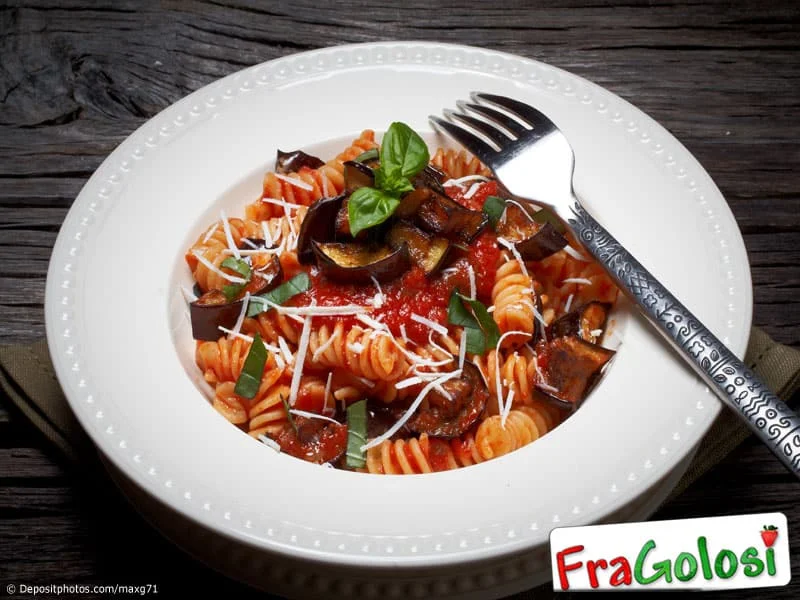
This Sicilian-style pasta pairs grilled aubergine with tomato, basil and melting caciotta. It is a good way to make a generous, flavourful sauce while keeping the ingredient list simple.
Ingredients
- 120 gmaccheroncini
- 2aubergines
- 50 gcaciotta
- 200 gpeeled tomatoes
- 200 mltomato passata
- 1/2onion
- 1 clovegarlic
- a few leavesfresh basil
- 6 teaspoonsextra-virgin olive oil
- to tastesalt
- to tastechilli
Instructions
- 1
Slice the aubergines
Wash and dry the aubergines, then cut them lengthways into slices about 0.5 cm thick.
- 2
Salt the slices
Arrange the aubergine slices in a large bowl, salting each layer.
- 3
Press or soak
Place a small plate and a weight on top of the aubergines to draw out their bitterness. Alternatively, cover the salted slices with water.
- 4
Drain and dry
After 30 minutes, whichever method you used, squeeze the slices gently between your hands to remove as much water as possible, then pat them dry with kitchen paper.
- 5
Grill the aubergines
Grill the slices on a very hot griddle.
- 6
Start the sauce
Warm the oil and gently fry the garlic, chopped onion and chilli.
- 7
Add the tomatoes
Add the chopped peeled tomatoes and the passata.
- 8
Simmer with aubergine
Season with salt, add a little basil and the aubergines, chopped with a knife, then cook the sauce until ready.
- 9
Cook the pasta
Boil the pasta in plenty of salted water and drain it while al dente.
- 10
Finish and serve
Toss the pasta in the pan with the sauce, adding the grated caciotta or caciotta cut into small cubes. Mix thoroughly and serve.
What is Sicilian-style pasta?
This is a tomato-and-aubergine pasta inspired by the flavours of Sicily. It shares ingredients with pasta alla Norma, though this version uses caciotta rather than the more familiar ricotta salata.
Grilling the aubergine gives the sauce a savoury, smoky note, while fresh basil keeps the tomato flavour bright. Caciotta softens into the hot pasta and helps bring the sauce together.
Nutrition and macros by portion
The nutrition label shows one serving as written: 530 calories, 15g protein, 58g carbs, 20g fat.
| Portion | Adjustment | kcal | Protein | Carbs | Fat |
|---|---|---|---|---|---|
| Lighter | Use less caciotta | 371 kcal | 11g | 41g | 14g |
| This serving | As written | 530 kcal | 15g | 58g | 20g |
| Hungry | Add more pasta | 795 kcal | 23g | 87g | 30g |
Most of the carbohydrates come from the pasta, while the olive oil and caciotta provide much of the fat. The pasta and cheese also contribute protein, with smaller amounts from the vegetables. Pair a serving with a green salad or extra vegetables for a more balanced plate.
The aubergine matters
Salting and resting the slices is the recipe’s first preparation step; the alternative is to cover them with water. After 30 minutes, squeeze and dry them well so they are ready to grill.
Grill in batches if needed, keeping the slices in contact with the hot surface. This helps them cook rather than steam.
Build the tomato sauce
A little oil carries the flavour of the garlic, onion and chilli into the sauce. Keep the heat moderate while frying so the garlic does not burn.
Using both peeled tomatoes and passata gives the sauce a mixture of soft tomato pieces and a smoother base. Chop the grilled aubergine with a knife before adding it.
Cook pasta to the right point
Cook the maccheroncini in plenty of salted water and drain them al dente, since they will be tossed with the sauce in the pan. Check the packet for the pasta’s cooking time.
Reserve a little pasta water if the sauce seems too thick. Add it gradually while tossing, just as needed to help coat the pasta.
Finish with caciotta
Grate the caciotta for a more even coating, or cut it into small cubes for pockets of melted cheese. Add it while the pasta is hot and mix thoroughly.
Taste before adding more salt: the aubergine was salted earlier, and the cheese may also contribute saltiness.
Serve it simply
Serve straight away, while the cheese is soft and the sauce clings to the pasta. A few extra basil leaves make a fresh finishing touch.
A crisp green salad or steamed green vegetables make an easy side, adding freshness alongside the rich tomato and aubergine sauce.
Recipe notes & tips
- Cut the aubergine slices to an even thickness so they grill at a similar pace.
- Dry the slices thoroughly after their rest to reduce splattering on the griddle.
- Grill the aubergine in batches rather than crowding the surface.
- Chop the peeled tomatoes before adding them if you prefer a smoother sauce.
- Add the basil near the end of cooking to keep its flavour fresh.
- Toss the pasta and sauce together while both are hot so the caciotta softens evenly.
Variations
- More basil: tear a few extra leaves over the pasta just before serving.
- Extra chilli: increase the chilli to give the tomato sauce more heat.
- Smaller cheese pieces: dice the caciotta finely for soft, distinct pockets.
- Smoother sauce: crush the peeled tomatoes more thoroughly before adding them.
- Different pasta: use another short pasta shape that catches the aubergine and sauce.
Common mistakes to avoid
- Skipping the drying step: wet aubergine can splutter and grill poorly; pat it thoroughly with kitchen paper.
- Crowding the griddle: the slices may steam instead of taking on a grilled finish; cook them in batches.
- Burning the garlic: it can make the sauce bitter; fry it gently with the onion.
- Overcooking the pasta: it softens further when tossed with the sauce; drain it al dente.
- Adding too much salt: the aubergine and cheese may already be salty; taste before seasoning the finished sauce.
How to store
Refrigerate leftovers in an airtight container for up to 3 days. Reheat gently in a pan with a splash of water, stirring until hot; the pasta may be softer and the cheese less creamy after storage.
Frequently asked questions
Do I need to salt the aubergines?
Follow the recipe’s 30-minute salting step, or use its alternative of covering the salted slices with water. Squeeze and dry them well afterwards.
Can I use another type of pasta?
Yes. Another short pasta shape can work well with the chopped aubergine and tomato sauce; cook it al dente according to its packet.
What can I use instead of caciotta?
A mild cheese that melts well can stand in, though the flavour and texture will differ. Add it grated or in small cubes.
How do I know when the aubergine is ready?
The slices should be tender and show some colour from the hot griddle. Grill them in batches if they are not cooking evenly.
Can I make the sauce ahead?
You can prepare the tomato and aubergine sauce ahead and refrigerate it. Cook the pasta shortly before serving, then toss it with the reheated sauce and caciotta.
Is this the same as pasta alla Norma?
It has a similar Sicilian-style pairing of pasta, aubergine and tomato, but this recipe uses caciotta. Pasta alla Norma is commonly associated with ricotta salata.
Cook it from the original
This recipe comes from fragolosi.it. Their page has the author’s own photos, notes and tips — the best place to cook it from.
Open the recipe on fragolosi.it