
Homemade fresh mackerel rillettes
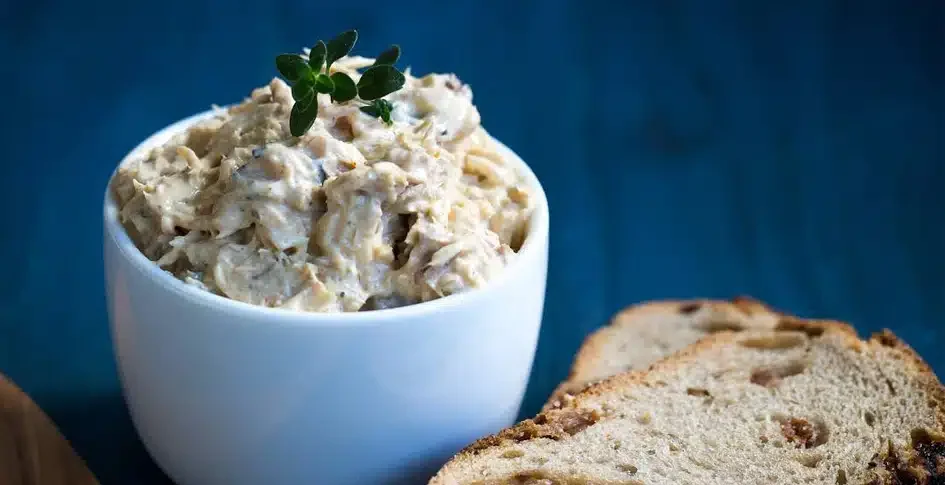
These Breton-style mackerel rillettes combine poached, flaked fish with shallots, two mustards, crème fraîche and Kari-Gosse. Chill them until the flavours meld, then serve with toasted or country bread.
Ingredients
- 2, about 250 g eachwhole fresh mackerel
- 1 tabletcourt-bouillon stock tablet
- 30 mlolive oil
- 1pink Roscoff onion
- 1pink Roscoff shallot
- a splashmedium-dry white wine, such as Auxerrois
- 5 mlstrong mustard
- 15 mlwholegrain mustard
- 30 mlthick crème fraîche
- to tasteKari-Gosse
- to tastesalt
- to tasteblack pepper
Instructions
- 1
Make the fish stock
Soften the sliced onions in butter. Add the fish heads, cover with water and simmer gently for 35 minutes. Strain the resulting stock.
- 2
Poach the mackerel
Bring a large pan of water to the boil with the court-bouillon tablet. Remove the mackerel heads, tails and fins, then lower the fish into the liquid and cook for 6 minutes.
- 3
Flake the fish
Drain the mackerel and leave it until cool enough to handle. Carefully remove the skin and all the bones, then flake the flesh finely into a bowl.
- 4
Cook the aromatics
Peel and finely chop the onion and shallot. Cook them gently in the olive oil until translucent but not coloured.
- 5
Make the mixture
Add the white wine and reduce it until almost gone. Stir in both mustards and the crème fraîche until evenly combined.
- 6
Combine the rillettes
Add the flaked mackerel. Season to taste with Kari-Gosse, salt and pepper, then fold gently so the fish retains a slightly stringy texture.
- 7
Chill and serve
Divide the mixture between ramekins and refrigerate for at least 2 hours to let the flavours develop. Serve well chilled with slices of toasted or country bread.
What are mackerel rillettes?
Rillettes are a French spread made by breaking cooked meat or fish into a soft, rustic mixture. This version takes its Breton character from mackerel, Roscoff onion and shallot, and the regional Kari-Gosse seasoning.
Poaching keeps the fish moist, while mustard and crème fraîche bind the flakes without making them completely smooth. The result is a savoury spread that works well as a starter or a simple snack.
Nutrition and macros by portion
The nutrition label shows one serving as written: 240 calories, 0g protein, 0g carbs, 0g fat.
| Portion | Adjustment | kcal | Protein | Carbs | Fat |
|---|---|---|---|---|---|
| Lighter | Serve with less bread | 168 kcal | 0g | 0g | 0g |
| This serving | As written | 240 kcal | 0g | 0g | 0g |
| Hungry | Add another slice of bread | 360 kcal | 0g | 0g | 0g |
The mackerel provides most of the protein and also contributes fat; olive oil and crème fraîche add further fat, while the onion and shallot contribute a little carbohydrate. For a more balanced plate, serve a portion with a generous green salad or crunchy vegetables alongside the bread.
Choosing and preparing the fish
Fresh mackerel: The recipe uses two whole fish of about 250 g each. Remove the skin and bones carefully after poaching; check the flakes with your fingers before mixing.
Kari-Gosse: Add this Breton spice blend gradually, tasting as you go because its strength can vary. Salt and pepper are also best adjusted after the fish and mustard are combined.
Keep the aromatics gentle
Onion and shallot: Cook them slowly in the olive oil until translucent, without browning. This softens their flavour and gives the spread a smoother texture.
Wine: Let the splash of white wine reduce almost completely before adding the mustard and crème fraîche. Too much liquid left in the pan can make the mixture loose.
Aim for a flaky texture
Fish flakes: Break the mackerel into small pieces, but do not mash it into a paste. Fold it into the creamy base gently so the finished rillettes still have some texture.
Bones: Mackerel has fine bones as well as a central backbone. Take time to remove them before flaking, then check the mixture once more as you combine it.
Allow time to chill
Resting: Refrigerate the filled ramekins for at least 2 hours, as directed, so the seasoning can settle into the fish. Serve them cold rather than straight from the pan.
Timing: Although the stated total time is 30 minutes, the method also calls for a 2-hour chill, as well as 35 minutes for making the stock. Allow for these times if following every step.
Serving ideas
Bread: Toasted slices or country bread are the suggested accompaniments. A crisp slice gives a useful contrast to the soft, creamy fish.
On the side: Serve with a green salad or crunchy raw vegetables for freshness. Keep the accompaniments simple so the mackerel and seasonings remain the focus.
Recipe notes & tips
- Let the mackerel cool until easy to handle before removing its skin and bones.
- Use your fingers to check the fish for fine bones as you flake it.
- Keep the onion and shallot on a low heat so they soften without taking on colour.
- Reduce the wine almost completely before stirring in the creamy ingredients.
- Add Kari-Gosse in small amounts and taste before adding more.
- Chill for at least 2 hours before serving.
Variations
- Extra mustard: Increase the wholegrain mustard slightly for a more pronounced mustard flavour.
- More herbs: Fold in finely chopped parsley just before chilling.
- Citrus note: Add a little lemon zest to brighten the rich fish mixture.
- Peppery finish: Add a pinch of cayenne alongside the Kari-Gosse.
- Rustic serving: Spoon the rillettes onto toasted country bread rather than serving them in ramekins.
Common mistakes to avoid
- Overcooking the fish: Keep to the 6-minute poaching time so the mackerel does not become dry.
- Leaving fine bones: Check the fish carefully before flaking and again while mixing.
- Browning the onion: Cook it gently until translucent; browned aromatics can overpower the delicate fish.
- Leaving too much wine: Reduce it almost completely before adding the crème fraîche to avoid a loose mixture.
- Mashing the fish: Fold it in gently to preserve a slightly flaky texture.
- Skipping the chill: Refrigerate for at least 2 hours before serving so the flavours have time to develop.
How to store
Keep the rillettes covered in the refrigerator and eat within 2 days. Serve cold; this fish spread is not intended to be reheated.
Frequently asked questions
Can I make the rillettes ahead?
Yes. Prepare them and refrigerate for at least 2 hours before serving, as the recipe directs. Keep them covered and use within 2 days.
How do I know when the mackerel is cooked?
The method gives a poaching time of 6 minutes. The flesh should be cooked through and separate easily into flakes.
What can I use instead of Kari-Gosse?
Use a mild curry spice blend or a little ground pepper if you cannot find Kari-Gosse. Add it gradually and taste the mixture as you go.
Can I use a different onion?
Yes. Use a mild onion if pink Roscoff onion is unavailable; cook it gently until translucent.
How should I serve mackerel rillettes?
Serve them well chilled with toasted slices or country bread. A green salad or crunchy vegetables make a fresh accompaniment.
Why does the method mention making fish stock?
The method begins with a stock-making step using onion, butter, fish heads and water, but these are not all listed in the supplied ingredients. The later steps use a court-bouillon tablet to poach the mackerel.
Cook it from the original
This recipe comes from fruitsdelamer.com. Their page has the author’s own photos, notes and tips — the best place to cook it from.
Open the recipe on fruitsdelamer.com