
Coconut gelato
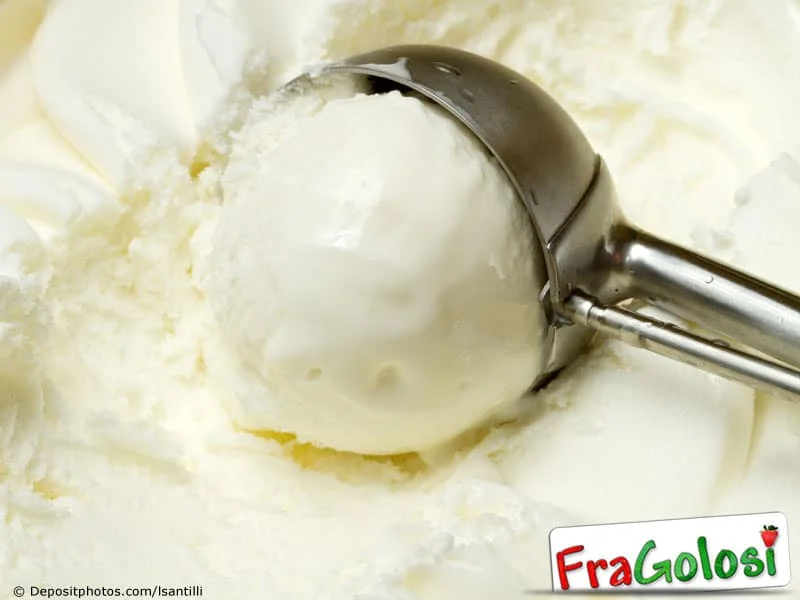
This Italian-style coconut gelato combines fresh grated coconut with a rich custard base of milk, cream and egg yolks. It is a good choice when you want a creamy frozen dessert with a clear coconut flavour.
Ingredients
- 500 mlwhole milk
- 500 mlsingle cream
- 300 gsugar
- 8egg yolks
- 1vanilla pod
- 400 gfresh grated coconut flesh
Instructions
- 1
Blend the coconut
Blend the grated coconut with a little of the milk, about enough to cover the blades.
- 2
Heat the dairy
Stir 150 g of the sugar into the cream and the remaining milk. Add the vanilla pod and heat.
- 3
Remove the vanilla
Take the pan off the heat as soon as the mixture begins to boil, then remove the vanilla pod.
- 4
Cool the mixture
Cover the pan and leave the mixture to cool until just warm.
- 5
Whisk the yolks
In a separate bowl, whisk the egg yolks with the remaining 150 g of sugar.
- 6
Combine the custard
Slowly whisk the warm dairy mixture into the yolks. Return the mixture to the heat at a moderate temperature.
- 7
Thicken gently
Stir over a low heat until the custard lightly coats the back of a spoon.
- 8
Add the coconut
Stir the blended coconut into the custard until evenly combined.
- 9
Transfer to a bowl
Pour the mixture into a bowl that has been chilled in the fridge beforehand.
- 10
Churn the gelato
Let the mixture cool completely before pouring it into an ice-cream maker. Churn according to the manufacturer's instructions.
What is coconut gelato?
Gelato is the Italian tradition of frozen dessert made in a churn, and this version builds its flavour around fresh coconut. The recipe uses a cooked custard base, which gives the finished gelato a smooth, rich character.
Fresh coconut: blending the grated flesh with a little milk helps it mix into the custard. The separate custard-making stages let the coconut flavour remain the focus.
Nutrition and macros by portion
The nutrition label shows one serving as written: 1265 calories, 17g protein, 96g carbs, 93g fat.
| Portion | Adjustment | kcal | Protein | Carbs | Fat |
|---|---|---|---|---|---|
| Lighter | Smaller scoop, fresh fruit | 886 kcal | 12g | 67g | 65g |
| This serving | As written | 1265 kcal | 17g | 96g | 93g |
| Hungry | Larger gelato portion | 1898 kcal | 26g | 144g | 140g |
The sugar and coconut contribute most of the carbohydrates, while the cream, coconut and egg yolks provide much of the fat. Milk, cream and yolks also contribute protein. For a more balanced plate, serve a smaller scoop alongside fresh fruit.
Why use a custard base?
Egg yolks give the base body, while milk and cream provide its dairy richness. Heating the dairy with some of the sugar first also makes it easier to incorporate into the yolks gradually.
Gentle heat: bring the custard only to a low simmer and stir continuously. The spoon-coating cue is a useful sign that it has thickened.
Getting the coconut ready
Blend the coconut with just a little milk, as directed, rather than adding all the milk at once. This makes a coconut mixture that can be stirred through the custard.
Even mixing: add the blended coconut after the custard has thickened, then stir carefully so it is distributed throughout.
Cooling before churning
The custard needs to cool completely before it goes into the ice-cream maker. Pouring it into a bowl chilled in the fridge helps with the cooling stage.
Allow time: the recipe gives no exact cooling or churning duration, so follow the ice-cream maker's instructions and make sure the mixture is cool before churning.
Choosing the right texture
While cooking, look for a thin coating on the back of the spoon rather than waiting for the custard to become very thick. Stirring over low heat helps it thicken evenly.
During churning: use the maker's instructions as the guide for when the gelato is ready. The recipe does not specify a final freezing time or serving texture.
What to serve with it
Serve the gelato on its own to keep the coconut flavour prominent, or pair it with fresh fruit for a contrasting, refreshing accompaniment.
For a simple finish, add a little extra grated coconut just before serving. Keep accompaniments modest so they do not overwhelm the gelato.
Recipe notes & tips
- Use a bowl that has been chilled in the fridge for the cooling stage.
- Add the warm dairy mixture to the yolks slowly while whisking.
- Keep stirring as the custard heats so it thickens evenly.
- Take the pan off the heat as soon as the dairy mixture begins to boil.
- Make sure the custard is completely cool before churning.
- Follow the instructions supplied with your ice-cream maker.
Variations
- Coconut topping: scatter extra grated coconut over each serving.
- Fruit pairing: serve with fresh mango or berries for a bright contrast.
- Vanilla accent: scrape the seeds from the vanilla pod into the dairy mixture before heating.
- Chocolate finish: add a little grated dark chocolate when serving.
- Toasted coconut: top each portion with toasted coconut for a roasted flavour.
Common mistakes to avoid
- Boiling the custard: keep it at a low simmer and remove it from the heat once it coats the spoon.
- Adding the dairy too quickly: whisk it gradually into the yolks to combine them smoothly.
- Skipping the stirring: stir continuously over low heat to help the custard thicken evenly.
- Churning while warm: cool the mixture completely before putting it in the ice-cream maker.
- Adding all the milk to the coconut: use only a little milk for blending, as the method directs.
How to store
Transfer the churned gelato to a covered, freezer-safe container and keep it in the freezer. For the best texture, serve it soon after churning; if it has firmed up in the freezer, let it stand briefly before scooping.
Frequently asked questions
Can I use desiccated coconut instead of fresh?
The recipe is written for fresh grated coconut, which contributes moisture as well as flavour. Desiccated coconut may give a different texture, so it is not a direct like-for-like swap.
How do I know when the custard is thick enough?
It is ready when it forms a thin coating on the back of a spoon. Keep the heat low and stir as it cooks.
Do I need an ice-cream maker?
The method calls for an ice-cream maker and says to follow the manufacturer's instructions. It does not provide an alternative churning method.
Can I churn the custard while it is still warm?
No. Let it cool completely before pouring it into the ice-cream maker.
How long does this recipe take?
The recipe does not give a total time. Cooling and churning times depend on the temperature of the mixture and the instructions for your ice-cream maker.
Cook it from the original
This recipe comes from fragolosi.it. Their page has the author’s own photos, notes and tips — the best place to cook it from.
Open the recipe on fragolosi.it