
Genoise sponge
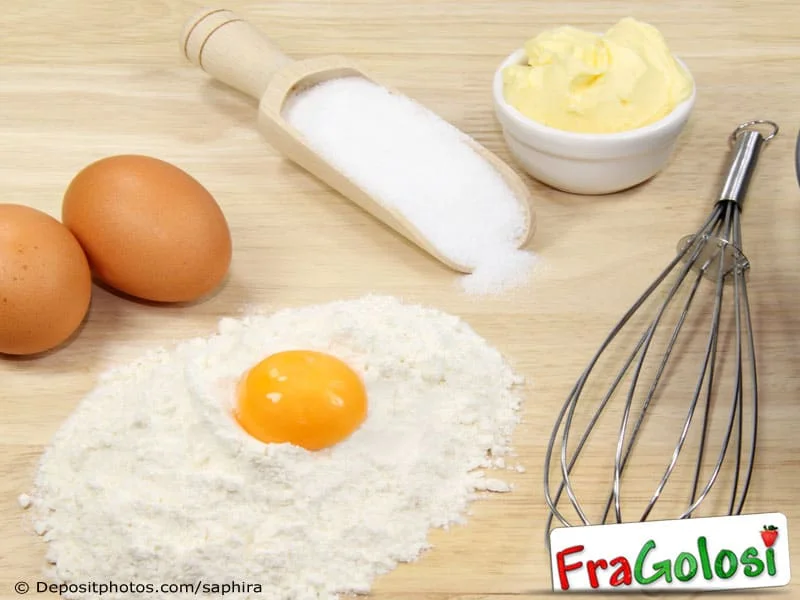
Genoise is a light Italian sponge made by whisking eggs and sugar until airy, then gently folding in flour and melted butter. It makes a versatile cake base for layering, filling or serving simply with fruit.
Ingredients
- 100 gplain flour
- 30 gbutter
- 100 gsugar
- 4eggs
- a pinchsalt
- to tastevanilla flavouring
Instructions
- 1
Melt and sift
Melt the butter. Sift the flour with the vanilla flavouring and salt.
- 2
Whisk the eggs
Break the eggs into a heatproof bowl and add the sugar. Beat the mixture for a few minutes.
- 3
Set up a bain-marie
Place the bowl over a saucepan containing water, making sure it sits above the water.
- 4
Warm the mixture
Bring the water to a gentle boil and warm the egg mixture until it is lukewarm, about 40°C.
- 5
Whisk until airy
Take the bowl off the heat and beat the mixture with an electric mixer until it has nearly doubled in volume and cooled completely.
- 6
Add the flour
Using a wooden spatula, add the flour gradually while continuing to mix.
- 7
Fold gently
Fold the flour in slowly with light strokes from the bottom of the bowl upwards, taking care not to deflate the mixture.
- 8
Add the butter
Pour in the melted butter in a thin stream and combine. Transfer the mixture to a greased and floured tin, or one lined with dampened baking paper.
- 9
Bake the sponge
Bake in a preheated oven at 180°C for about 30 minutes. Test the centre with a skewer before taking the tin out of the oven.
- 10
Cool on a rack
When baked, turn the genoise out and leave it to cool on a wire rack.
What is genoise sponge?
Genoise is an Italian sponge cake named for Genoa, made airy by whisking whole eggs and sugar rather than relying on a separate raising agent. This version warms the eggs gently before whisking, helping create a light, voluminous mixture.
The small amount of butter adds richness, while careful folding helps preserve the air that gives the cake its fine, flexible crumb.
Nutrition and macros by portion
The nutrition label shows one serving as written: 157 calories, 4g protein, 22g carbs, 6g fat.
| Portion | Adjustment | kcal | Protein | Carbs | Fat |
|---|---|---|---|---|---|
| Lighter | Serve with fresh berries | 110 kcal | 3g | 16g | 4g |
| This serving | As written | 157 kcal | 4g | 22g | 6g |
| Hungry | Serve a larger slice | 236 kcal | 7g | 33g | 8g |
The flour and sugar provide most of the carbohydrates, while eggs contribute protein and both eggs and butter provide fat. Serve a slice with fruit and yoghurt for a more balanced plate, or use it as a base alongside a protein-rich topping.
The eggs and sugar
Warm mixture: Set the bowl over gently simmering water and bring the eggs and sugar to about 40°C. Keep the bowl above the water so the eggs warm without cooking against the base.
Whisking: Once off the heat, beat until the mixture has nearly doubled and cooled. It should look pale and thick, with enough volume to hold air through the folding stage.
Folding in the flour
Sifted flour: Sifting with the salt and vanilla flavouring breaks up lumps and makes it easier to incorporate the dry ingredients evenly.
Light strokes: Add the flour a little at a time, sweeping the spatula from the bottom of the bowl upwards. Stop as soon as no dry patches remain so the mixture keeps its lift.
Incorporating the butter
Thin stream: Pour in the melted butter gradually while combining it with the batter. A steady, gentle mix helps distribute the fat without knocking out too much air.
Prepared tin: Grease and flour the tin, or line it with dampened baking paper as described. Pour in the batter once the butter is incorporated.
How to tell it is baked
Timing: Bake at 180°C for about 30 minutes, but treat the time as a guide because ovens and tin sizes differ.
Doneness: Insert a skewer into the centre before removing the tin. If it comes out clean, the sponge is ready; cool it on a wire rack so it does not sit in trapped steam.
Serving and using the sponge
Genoise can be served plain or split and filled with cream, fruit or jam. Let it cool fully before slicing or adding a filling, which makes the delicate crumb easier to handle.
For a simple dessert, pair a slice with fresh berries or a spoonful of yoghurt. Its mild flavour also works well with richer fillings and toppings.
Recipe notes & tips
- Use a clean, dry bowl for whisking so the egg mixture can build volume.
- Bring the eggs and sugar to about 40°C over gently simmering water, rather than letting the bowl touch the water.
- Sift the flour with the salt and vanilla flavouring before you start folding.
- Use broad, gentle strokes from the bottom of the bowl to keep as much air in the batter as possible.
- Check the centre with a skewer at around 30 minutes, as baking time can vary by oven and tin.
- Let the sponge cool completely on a wire rack before cutting or filling it.
Variations
- Citrus zest: Add finely grated lemon or orange zest to the egg-and-sugar mixture for a fragrant sponge.
- Coffee filling: Pair the cooled sponge with a coffee-flavoured cream or filling.
- Fruit layers: Fill the sponge with sliced fresh fruit and lightly whipped cream.
- Jam layer: Spread a thin layer of jam between sponge layers for a simple filling.
- Chocolate finish: Dust the cooled cake with cocoa powder or serve it with a chocolate topping.
Common mistakes to avoid
- Overheating the eggs: Keep the mixture over gentle heat and remove it once it reaches about 40°C.
- Stopping the whisking too soon: Beat until the mixture has nearly doubled in volume and cooled completely.
- Adding flour all at once: Fold it in gradually to avoid lumps and preserve the air.
- Stirring vigorously: Use light, upward folding strokes so the batter does not lose its volume.
- Pouring butter in quickly: Add it in a thin stream and combine gently to avoid deflating the mixture.
- Skipping the skewer test: Check the centre before removing the cake, even if the suggested baking time has passed.
How to store
Once completely cool, store the sponge in an airtight container at room temperature for up to 2 days. Rewarm individual slices briefly in a low oven if desired, or freeze the unfilled sponge, well wrapped, for up to 2 months and thaw before serving.
Frequently asked questions
Why are the eggs and sugar warmed?
Gentle warming to about 40°C helps the mixture become airy when whisked. Keep the bowl above the water and remove it from the heat before using the electric mixer.
How do I know when the egg mixture is ready?
It should be pale, nearly twice its original volume and cooled after whisking. This volume is important because the recipe relies on the beaten eggs for its light texture.
Can I make genoise without an electric mixer?
It is possible to whisk by hand, but reaching the required volume takes considerably more effort. Check that the mixture has nearly doubled and cooled before folding in the flour.
Why did my sponge turn out flat?
The batter may have lost air if the flour or butter was mixed in too forcefully, or if the eggs were not whisked until voluminous. Fold gently and avoid letting the batter stand for long before baking.
Can I bake this in a different-sized tin?
Yes, but the depth of the batter will change, so the baking time may differ. Start checking the centre with a skewer around the stated 30-minute mark.
What can I fill genoise with?
It works with jam, fruit, cream or other cake fillings. Wait until the sponge is completely cool before splitting or filling it.
Cook it from the original
This recipe comes from fragolosi.it. Their page has the author’s own photos, notes and tips — the best place to cook it from.
Open the recipe on fragolosi.it