
Gratinated polenta
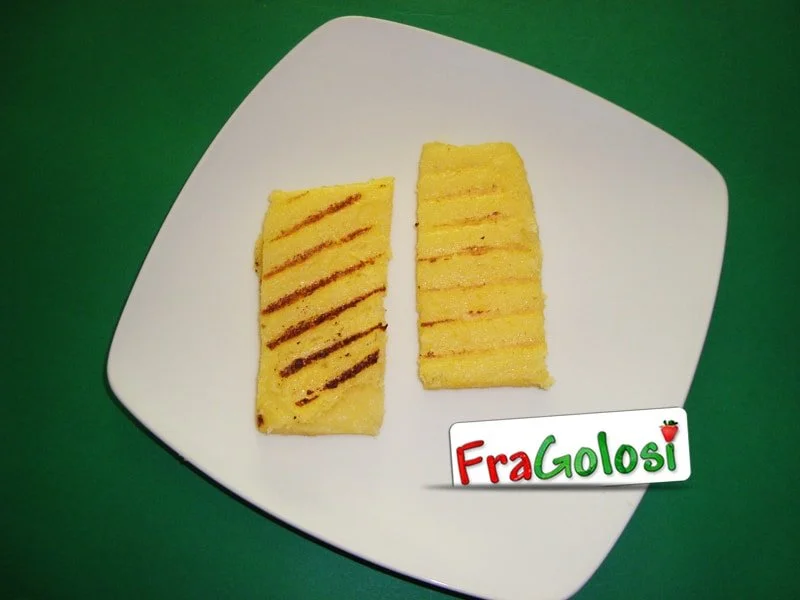
This Italian oven-baked polenta is layered with fontina and Emmental, then topped with Parmesan and baked until golden. It makes a hearty, comforting meal with a crisp top and a soft, cheesy centre.
Ingredients
- 400 gquick-cooking maize flour
- 200 gfontina
- 100 gEmmental
- 1.5 litreswater
- 80 gbutter
- 1 tablespoonextra-virgin olive oil
- as neededbutter for greasing
- to tastesalt
- to tastegrated Parmesan
- a few small piecesbutter
Instructions
- 1
Heat the water
Bring 1.5 litres of salted water to the boil with 1 tablespoon of olive oil.
- 2
Add the maize
As soon as the water begins to boil, take the pan off the heat and pour in the maize flour.
- 3
Cook the polenta
Whisk thoroughly, then return the pan to the heat. Keep stirring with a wooden spoon in the same direction until the polenta reaches the consistency you want.
- 4
Adjust the texture
If the polenta needs loosening, stir in a few ladlefuls of hot water.
- 5
Add the cheese
Just before taking the polenta off the heat, stir in the butter. Remove from the heat and, while continuing to stir, add the chopped fontina.
- 6
Make the first layer
Mix until combined, then spread a first layer of polenta in a baking dish greased with butter.
- 7
Add the Emmental
Cover the layer with slices of Emmental, then spread the remaining fontina polenta over the top.
- 8
Top the dish
Scatter over grated Parmesan and dot the surface with a few small pieces of butter.
- 9
Gratinate the polenta
Place the dish in the upper part of an oven at 180°C for about 20 minutes. Take it out when the top is golden and slightly crisp.
- 10
Rest before serving
Leave the baked polenta to firm up for a few minutes before serving.
What is gratinated polenta?
Polenta is a northern Italian staple made by cooking maize flour with water until thick and smooth. This baked version turns it into a layered dish, with fontina mixed into the polenta and Emmental between the layers.
The contrast is what makes this version work: the polenta stays soft beneath its browned Parmesan topping, while the cheese layers melt through the middle.
Nutrition and macros by portion
The nutrition label shows one serving as written: 1615 calories, 53g protein, 160g carbs, 83g fat.
| Portion | Adjustment | kcal | Protein | Carbs | Fat |
|---|---|---|---|---|---|
| Lighter | Use less butter and cheese | 1131 kcal | 37g | 112g | 58g |
| This serving | As written | 1615 kcal | 53g | 160g | 83g |
| Hungry | Serve a larger portion | 2423 kcal | 80g | 240g | 125g |
The maize flour supplies most of the carbohydrates, while the fontina and Emmental contribute protein and much of the fat; butter adds further fat, and Parmesan and salted cooking water add sodium. Balance the plate with a generous green salad or non-starchy vegetables alongside.
Choosing the cheeses
Fontina: chop or shred it finely so it melts readily into the hot polenta. Stir it in after taking the pan off the heat to help it blend without prolonged cooking.
Emmental: slice it for the middle layer, where it melts between the polenta. Parmesan goes on top for a savoury finish that browns under the grill-like heat of the oven.
Getting a smooth texture
Flour: add the maize flour to the hot water after taking the pan off the heat, then whisk it thoroughly to break up lumps. Return the pan to the heat and keep stirring in one direction as the mixture thickens.
Water: the recipe allows a few ladlefuls of hot water if the polenta becomes too firm. Add it gradually, stirring between additions, until the mixture is spreadable.
Layering the dish
Base: grease the baking dish before adding the first layer so the polenta is less likely to stick. Spread it evenly to create a stable bed for the Emmental.
Top layer: cover the cheese completely with the remaining polenta. This helps keep the centre soft while the Parmesan and butter brown on the surface.
Knowing when it is ready
Oven: bake at 180°C in the upper part of the oven for about 20 minutes, as directed. Since ovens vary, use the surface as your cue rather than relying on the time alone.
Finish: look for a golden top with a slight crispness. Let the dish stand for a few minutes afterwards so it can firm up for serving.
Serving it at the table
This is a substantial, cheese-rich dish that can be served on its own or alongside a crisp green salad. A simple salad with a sharp dressing gives a fresh contrast to the buttery polenta.
Serve it soon after its brief resting time, while the middle is still soft and the cheese is melted.
Recipe notes & tips
- Have the grated or chopped cheeses ready before the polenta finishes cooking, as the mixture thickens quickly.
- Whisk when adding the flour, then switch to a wooden spoon for steady stirring over the heat.
- Add hot water a little at a time if the polenta is too stiff to spread.
- Grease the baking dish thoroughly, including the corners.
- Let the dish rest for a few minutes before cutting or scooping portions.
Variations
- Add mushrooms: layer in cooked, well-drained mushrooms with the Emmental.
- Use another melting cheese: replace the Emmental with a similar cheese that melts well.
- Add herbs: stir chopped fresh thyme or rosemary into the polenta with the fontina.
- Include vegetables: add a layer of cooked spinach, squeezed dry, between the polenta.
- Make it peppery: add freshly ground black pepper to the polenta before layering.
Common mistakes to avoid
- Adding flour over the heat: take the pan off the heat first and whisk the flour in thoroughly to help prevent lumps.
- Stirring unevenly: keep the spoon moving in the same direction so the polenta cooks evenly.
- Adding too much water at once: loosen the polenta with hot water a ladleful at a time.
- Leaving gaps in the top layer: spread the polenta over the Emmental so the cheese is covered.
- Baking until the top is too dark: check for a golden, slightly crisp surface and remove the dish at that point.
How to store
Refrigerate leftovers in a covered container for up to 3 days. Reheat portions in the oven until hot throughout, or use a microwave; the polenta will firm up as it cools.
Frequently asked questions
Can I make the polenta ahead?
You can cook and layer the polenta ahead, then cover and refrigerate it before baking. Bake until heated through and golden on top; it may need longer than the stated 20 minutes if chilled.
Can I use regular maize flour instead of quick-cooking flour?
The method and cooking time are written for quick-cooking maize flour. If using a different grind, follow its packet instructions for cooking before adding the cheeses and layering.
How do I stop the polenta becoming lumpy?
Take the pan off the heat before adding the flour and whisk it in thoroughly. Return it to the heat only after the mixture is smooth.
What if my polenta is too thick to spread?
Stir in a few ladlefuls of hot water, adding it gradually until the polenta is workable. The recipe does not specify a fixed extra amount.
How can I tell when the dish is ready?
After about 20 minutes at 180°C, the top should be golden and slightly crisp. Allow it to rest for a few minutes before serving.
Cook it from the original
This recipe comes from fragolosi.it. Their page has the author’s own photos, notes and tips — the best place to cook it from.
Open the recipe on fragolosi.it