
Pasta with cheese
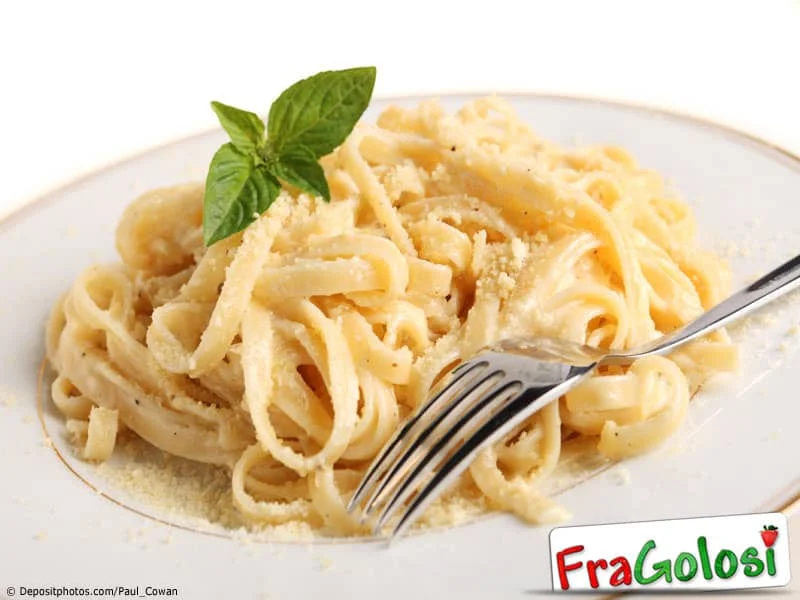
This Italian-style pasta brings together short pasta, Parmesan and melting cheeses in a rich, buttery sauce. It is a simple dish to make when you want a comforting meal with a stretchy, savoury finish.
Ingredients
- 350 gshort pasta, shape of your choice
- 100 ggrated Parmesan
- 80 gGruyère
- 80 gDutch cheese
- 80 gFontina (or provolone or mozzarella)
- 100 gbutter
- to tastesalt
Instructions
- 1
Slice the cheeses
Cut the Gruyère, Dutch cheese and Fontina into thin strips.
- 2
Cook the pasta
Boil the pasta in plenty of salted water until al dente.
- 3
Warm the pasta
Drain the pasta and tip it into a pan greased with butter, already over a moderate heat. Take care not to let it come to the boil.
- 4
Add the cheeses
Toss the pasta with some of the butter and Parmesan, then add the cheeses and mix everything together.
- 5
Loosen if needed
If the mixture seems too dry, add 2 or 3 tablespoons of pasta cooking water that you set aside earlier.
- 6
Finish and serve
As soon as the cheeses begin to stretch, take the pan off the heat. Add the remaining butter and Parmesan, then serve immediately.
What is pasta with cheese?
This is a straightforward Italian-style pasta dish built around short pasta, Parmesan and several cheeses that melt together. Rather than relying on a separate cream sauce, it uses butter and a little pasta water to help coat the pasta.
The mix of grated Parmesan and sliced cheeses gives the dish both a savoury flavour and a stretchy texture. The key is to warm it gently and serve as soon as the cheeses start to melt.
Nutrition and macros by portion
The nutrition label shows one serving as written: 835 calories, 40g protein, 66g carbs, 46g fat.
| Portion | Adjustment | kcal | Protein | Carbs | Fat |
|---|---|---|---|---|---|
| Lighter | Use less butter | 585 kcal | 28g | 46g | 32g |
| This serving | As written | 835 kcal | 40g | 66g | 46g |
| Hungry | Serve a larger portion | 1253 kcal | 60g | 99g | 69g |
The pasta supplies most of the carbohydrates, while the butter and cheeses contribute much of the fat; the cheeses and pasta also provide protein. Pair a serving with vegetables or salad to add freshness and balance the plate.
Choosing the cheese
Grated Parmesan: it seasons the pasta and helps make the coating savoury and rich. Keep some back to stir in at the end.
Melting cheeses: Gruyère, Dutch cheese and Fontina are cut into thin strips so they soften quickly. Provolone or mozzarella can replace the Fontina, as specified in the ingredient list.
Getting the texture right
Pasta water: save a little before draining, since the method calls for 2 or 3 tablespoons if the mixture looks too dry. Add it gradually rather than pouring it all in at once.
Gentle heat: stir the pasta and cheese over a moderate heat without letting the mixture boil. Take the pan off the heat once the cheese begins to stretch.
Cook the pasta al dente
Boil the pasta in plenty of salted water and cook it until al dente, following the packet timing as a guide. It will be mixed with the cheeses afterwards, so avoid cooking it until soft.
Drain it when ready, but keep a little cooking water aside first. The water is useful if the cheese mixture needs loosening.
Finish with butter and Parmesan
The method divides the butter and Parmesan between mixing and finishing. Add some of each with the pasta, then stir in the rest off the heat.
Serve straight away for the best chance of keeping the cheese soft and stretchy. If it stands for too long, the mixture can firm up as it cools.
What to serve alongside
A crisp green salad or lightly cooked vegetables make a fresh contrast to the buttery, cheesy pasta. Keep any side simply seasoned so it does not compete with the cheeses.
Serve the pasta as soon as it is ready, with extra Parmesan at the table if desired. The recipe is rich, so a modest portion alongside vegetables can make a balanced plate.
Recipe notes & tips
- Cut the melting cheeses into thin strips so they soften readily.
- Set aside pasta cooking water before draining the pasta.
- Cook the pasta just until al dente.
- Keep the pan at a moderate heat and do not let the mixture boil.
- Add the reserved cooking water a spoonful at a time if the pasta looks dry.
- Serve as soon as the cheese begins to stretch.
Variations
- Use provolone: swap it for the Fontina as suggested in the ingredient list.
- Use mozzarella: replace the Fontina with mozzarella for a different melting cheese.
- Choose another short shape: use your preferred short pasta, as the recipe allows.
- Add a salad: serve alongside crisp salad leaves for a fresh contrast.
Common mistakes to avoid
- Overcooking the pasta: cook it al dente so it does not turn soft while being mixed with the cheese.
- Forgetting the pasta water: set some aside before draining in case the mixture needs loosening.
- Using high heat: keep the pan moderate and avoid bringing the pasta and cheese to the boil.
- Adding all the cheese at once: keep some Parmesan for the finishing step as directed.
- Letting it stand: serve immediately after the cheese starts to stretch, before the mixture cools and firms.
How to store
Refrigerate leftovers in a covered container for up to 3 days. Reheat gently in a pan, stirring in a splash of water if needed; the cheese may not become as stretchy as when freshly made.
Frequently asked questions
Which short pasta shape should I use?
Use any short shape you prefer, as the recipe does not specify one. Cook it al dente before combining it with the cheeses.
Can I use a different cheese instead of Fontina?
Yes. The ingredient list suggests provolone or mozzarella as alternatives to Fontina.
How much pasta water should I add?
Add 2 or 3 tablespoons if the mixture seems too dry. Stir it in gradually and stop when the pasta is coated to your liking.
Why should the mixture not boil?
The method calls for gentle heating so the cheeses can melt without bringing the pasta mixture to a boil. Remove the pan from the heat once the cheese starts to stretch.
Can I make this dish ahead?
It is best served straight after cooking, when the cheese is soft and stretchy. You can refrigerate leftovers, but reheated cheese may have a firmer texture.
Cook it from the original
This recipe comes from fragolosi.it. Their page has the author’s own photos, notes and tips — the best place to cook it from.
Open the recipe on fragolosi.it