
Classic omelette
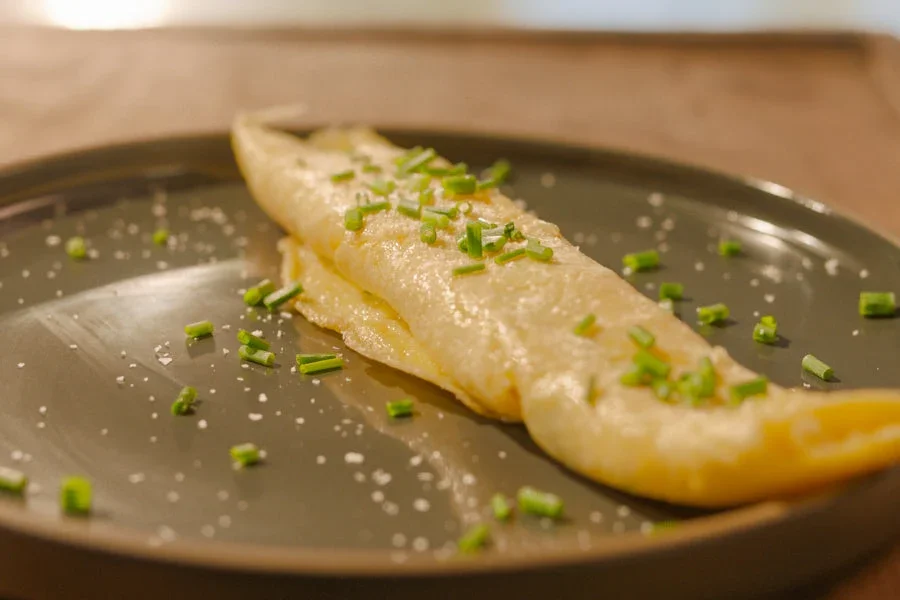
A classic omelette turns eggs, butter and a little seasoning into a soft, tender meal in about 15 minutes. The key is to keep the eggs moving at first, then stop stirring so they can form a smooth layer before folding.
Ingredients
- 3 largeeggs
- 1.25 ml (¼ teaspoon)kosher salt
- A few grindsfreshly ground black pepper
- 28 g (2 tablespoons)unsalted butter
- 15 ml (1 tablespoon)chopped chives, to garnish
Instructions
- 1
Whisk the eggs
In a medium bowl, whisk the eggs vigorously with the salt and pepper for about 15 seconds, until the whites are fully blended into the yolks.
- 2
Heat the pan
Set the pan over medium heat. When it is hot, add the butter and swirl it around to coat the base and sides.
- 3
Cook the eggs
As soon as the butter foams but before it browns, pour in the eggs. Quickly push a spatula across the base while swirling the pan, moving cooked egg aside so uncooked egg can reach the hot surface. Scrape egg from the sides as you go. After 1 to 2 minutes, when an even soft layer has formed and no pools of raw egg remain, stop stirring and swirling; the surface should still look creamy.
- 4
Fold the omelette
Tilt the pan to slide the omelette towards its edge, then use the spatula to gently roll it over itself.
- 5
Plate and garnish
Hold the pan over a plate and turn out the omelette with its seam underneath. Scatter the fresh chives over the top and serve.
What is a classic omelette?
An omelette is a dish of beaten eggs cooked in a pan and folded while still tender. This version uses a classic French-style approach: the eggs are stirred briefly as they cook, then folded into a neat shape.
Its short ingredient list makes technique especially important. Butter adds richness, while chives provide a fresh finish without hiding the flavour of the eggs.
Nutrition and macros by portion
The nutrition label shows one serving as written: 420 calories, 19g protein, 2g carbs, 36g fat.
| Portion | Adjustment | kcal | Protein | Carbs | Fat |
|---|---|---|---|---|---|
| Lighter | Use less butter | 294 kcal | 13g | 1g | 25g |
| This serving | As written | 420 kcal | 19g | 2g | 36g |
| Hungry | Add toast or potatoes | 630 kcal | 29g | 3g | 54g |
The eggs provide most of the protein, while the butter contributes much of the fat and saturated fat. The eggs also supply most of the carbohydrates, though the total is small; pair the omelette with wholemeal toast and salad or vegetables for a more balanced plate.
Whisk for an even mixture
Eggs: whisk until the whites are fully incorporated, so streaks of white do not remain in the finished omelette. About 15 seconds of vigorous whisking is the method’s cue.
Seasoning: the salt and pepper go straight into the eggs before cooking. A few grinds of pepper give a gentle savoury note; adjust the amount to taste if needed.
Let the butter foam
Butter: swirl it over the base and sides of the hot pan to coat the surface where the eggs will cook. Add the eggs when the butter is foaming, but take care not to let it brown.
Heat: medium heat gives you time to move the eggs before they set too firmly. If the butter browns quickly, lower the heat before adding the eggs.
Move the eggs, then stop
Early cooking: push the spatula across the base while gently swirling the pan. This clears cooked egg from the hot surface and lets the still-liquid egg flow into its place.
Finish: scrape down the sides as you cook, then stop moving the eggs once there is an even layer and no pools of raw egg. The surface should remain creamy rather than dry.
Fold while it is tender
Slide: tilt the pan so the omelette moves towards the edge, which makes it easier to fold without tearing. Use the spatula to roll it gently over itself.
Serve: turn it onto a plate with the seam underneath, then add the chives. The method is quick, so have the plate and garnish ready before the eggs finish cooking.
What to serve alongside
For a simple breakfast or lunch, serve the omelette with toast or a slice of crusty bread. A lightly dressed green salad or sliced tomatoes make a fresh contrast to the buttery eggs.
Keep accompaniments ready before you start cooking, as the omelette is best served as soon as it is folded.
Recipe notes & tips
- Whisk until no separate strands of egg white are visible.
- Use a pan that lets you swirl the eggs and reach the sides with a spatula.
- Keep the spatula moving across the base during the first stage of cooking.
- Stop stirring as soon as the eggs form an even layer with no visible pools of raw egg.
- Have the plate ready before you begin folding the omelette.
Variations
- Add cheese: scatter a little grated cheese over the eggs just before folding.
- Add herbs: replace or supplement the chives with finely chopped parsley.
- Add mushrooms: cook sliced mushrooms separately and place them inside before folding.
- Add spinach: wilt and drain spinach first, then tuck it into the omelette before rolling.
- Add smoked salmon: place thin strips inside the folded omelette just before serving.
Common mistakes to avoid
- Browned butter: add the eggs when the butter is foaming but still pale.
- Uneven whisking: whisk until the whites and yolks are fully combined.
- Raw pools left behind: keep moving cooked egg aside so uncooked egg reaches the pan.
- Overcooking: stop stirring once the layer is set and creamy on top, then fold promptly.
- Tearing the omelette: tilt the pan to slide it towards the edge before rolling it gently.
How to store
This omelette is best eaten straight away for its soft texture. If needed, refrigerate leftovers in a covered container and eat within 2 days; reheat gently in a pan or microwave until hot.
Frequently asked questions
How can I tell when the omelette is ready to fold?
The eggs should form an even layer with no pools of raw egg visible, while the surface still looks creamy. The method gives a cooking time of 1 to 2 minutes for this stage.
Why do I move the eggs around in the pan?
Moving cooked egg away from the base allows uncooked egg from the top to make contact with the hot pan. Stop once the layer is even so the omelette can set without becoming dry.
Can I use salted butter?
Yes, but reduce or leave out the kosher salt, then taste the eggs before cooking if you want to adjust the seasoning.
What can I use instead of chives?
Finely chopped parsley is a mild alternative. You can also leave the garnish off or use another fresh herb you enjoy.
Can I add a filling?
Yes. Cook fillings such as mushrooms or spinach separately first, then add them just before folding so they do not release excess moisture into the eggs.
Cook it from the original
This recipe comes from fromourplace.fr. Their page has the author’s own photos, notes and tips — the best place to cook it from.
Open the recipe on fromourplace.fr