
Maqluba
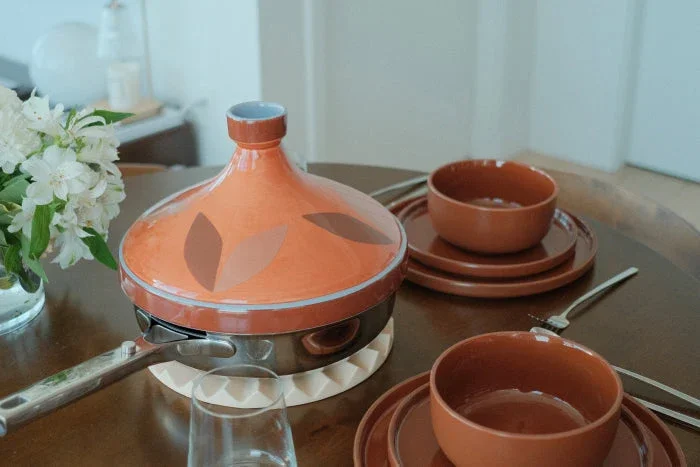
Maqluba is a layered rice, chicken and aubergine dish cooked together, then turned out so its golden layers become the centrepiece. It is a satisfying meal for a weekend table, with warm spices and a dramatic finish.
Ingredients
- 185 g (1 cup)short-grain rice, washed, soaked for 10 minutes and drained
- 2bone-in, skin-on chicken legs and thighs
- 1–2 mediumaubergines
- 1 smallyellow or white onion
- 1, optionaltomato
- for fryingvegetable oil
- to tastesalt and black pepper
- ½ tablespoonground allspice
- ½ tablespoonground turmeric
- ½ cube, optionalchicken stock cube
Instructions
- 1
Salt the aubergine
Cut the aubergines into 1.3 cm rounds and put them in a bowl. Salt generously, cover with cold water and leave for 30 minutes to draw out moisture before frying.
- 2
Cook the chicken
Heat 15 ml vegetable oil in a pot. Brown the chicken skin-side down, then remove it. Add the diced onion and sauté until golden. Return the chicken to the pot and pour in 475 ml boiling water. Season with chicken stock cube, salt and pepper, bring to the boil, cover and simmer over medium-low heat for 45 minutes.
- 3
Fry the aubergine
Drain the aubergine and dry it thoroughly. Heat vegetable oil in a pan and fry the rounds until golden brown.
- 4
Build the layers
If using the tomato, slice it thinly and arrange it on the bottom of the pot. Add 60 ml rice, half the fried aubergine and the cooked chicken. Sprinkle over half the allspice and turmeric, plus a pinch of salt. Add the remaining aubergine, rice and seasonings. Pour in enough chicken broth to just cover the rice, about 355 ml.
- 5
Cook the rice
Bring the pot to the boil over medium heat and taste the liquid, adjusting the salt if needed; it should taste slightly salty. Reduce the heat to low, cover and cook for 20–30 minutes, until the rice is fully cooked.
- 6
Rest the pot
Turn off the heat and leave the pot uncovered for 5 minutes.
- 7
Turn and serve
Place a serving plate over the pot, carefully invert the pot onto the plate, then lift it away and serve.
What is maqluba?
Maqluba, whose name means “upside down” in Arabic, is a layered rice dish associated with Palestinian and wider Levantine home cooking. Chicken, rice and vegetables cook together in one pot, which is inverted onto a plate for serving.
This version pairs browned chicken with fried aubergine and allspice, while the optional tomato adds a colourful layer at the top after turning. The rice absorbs the seasoned chicken broth as it cooks.
Nutrition and macros by portion
The nutrition label shows one serving as written: 1060 calories, 54g protein, 101g carbs, 48g fat.
| Portion | Adjustment | kcal | Protein | Carbs | Fat |
|---|---|---|---|---|---|
| Lighter | Use less frying oil | 742 kcal | 38g | 71g | 34g |
| This serving | As written | 1060 kcal | 54g | 101g | 48g |
| Hungry | Add a larger rice portion | 1590 kcal | 81g | 152g | 72g |
The rice supplies most of the carbohydrates, while the chicken provides much of the protein and the aubergine and chicken skin contribute fat. A side salad or lightly dressed vegetables can add freshness and balance the substantial rice and fried aubergine.
Prepare the main ingredients
Rice: Short-grain rice gives the dish a cohesive texture that helps it hold its shape when turned out. Soaking it for 10 minutes and draining it first also starts the cooking process evenly.
Aubergine: Salting the rounds in water for 30 minutes, then drying them very well, prepares them for frying. Fry until golden so they contribute flavour and structure to the layers.
Chicken: Browning the skin before simmering builds flavour in the pot and the broth. Keep the cooking liquid; it seasons the rice in the final stage.
Layer for a neat finish
Base: Thin tomato slices, if included, go on the bottom of the pot so they appear on top after inversion. Arrange them evenly for a more orderly finish.
Middle: Add the rice, aubergine and chicken in the specified order, distributing them across the pot rather than piling them in one spot. Season between the layers so the spices reach more than just the surface.
Liquid: Pour in only enough broth to just cover the rice, about 355 ml. The precise amount can vary with the pot and how tightly the layers are packed.
Check the rice and broth
Before covering the pot, taste the broth: it should be slightly salty because the rice will absorb it. Adjust the seasoning at this point rather than stirring the assembled layers.
Cook over low heat for 20–30 minutes, checking near the end for tender rice and absorbed liquid. If the grains still feel firm, give them a little more time on low heat.
Turn it out carefully
Rest the cooked maqluba uncovered for 5 minutes before turning it out. This brief pause lets the layers settle without leaving the rice to steam for too long.
Use a plate wider than the pot and hold it firmly in place as you invert the pot. Lift the pot slowly; if a few pieces stick, ease them back into position with a spoon.
Serve it at the table
Maqluba is substantial enough to serve as the main course. A crisp salad or plain yoghurt alongside it makes a fresh, cooling contrast to the warm spices and fried aubergine.
Bring the inverted dish to the table soon after turning so the layers can be enjoyed while hot. Serve with a broad spoon to include rice, chicken and aubergine in each portion.
Recipe notes & tips
- Dry the aubergine thoroughly after draining to reduce splattering in the hot oil.
- Brown the chicken skin-side down first for a deeper flavour in the broth.
- Use a pot with a flat base and sides that allow the layers to sit evenly.
- Taste the broth before adding it to the rice and adjust the salt then.
- Let the dish rest for the full 5 minutes before inverting it.
Variations
- Skip the tomato: Leave it out for a simpler base layer.
- Add more aubergine: Use 2 medium aubergines for a more prominent vegetable layer.
- Change the chicken: Use bone-in chicken pieces of a similar size, keeping the simmering time until cooked through.
- Adjust the spice: Reduce the allspice or turmeric to suit your preferred flavour.
- Serve with yoghurt: Add plain yoghurt at the table for a cool, tangy accompaniment.
Common mistakes to avoid
- Wet aubergine: Dry the rounds thoroughly before frying to limit oil splashes.
- Crowded frying pan: Fry the aubergine in batches so the rounds can brown instead of steaming.
- Too much broth: Add only enough to just cover the rice, about 355 ml.
- Rushing the rest: Leave the pot uncovered for 5 minutes before turning it out.
- Loose inversion: Hold a plate larger than the pot firmly against its rim before flipping.
How to store
Refrigerate leftovers in an airtight container within 2 hours and eat within 3 days. Reheat until steaming hot throughout, in a covered pan with a small splash of water or in the microwave.
Frequently asked questions
Can I leave out the tomato?
Yes. The tomato is optional; the dish will still layer and turn out without it.
Can I use long-grain rice?
The recipe calls for short-grain rice, which tends to hold together better when inverted. Long-grain rice may give a looser result, so keep the liquid just to the level of the rice.
How do I know when the rice is done?
The grains should be tender and the cooking liquid absorbed. If the rice is still firm after 30 minutes, cover and cook a little longer over low heat.
Can I make the chicken broth ahead?
Yes. Cook the chicken in the broth, then chill them together and assemble the pot when ready to continue. Reheat the broth before pouring it over the layered ingredients.
What should I serve with maqluba?
A fresh salad or plain yoghurt works well alongside the warm, savoury layers. Both are easy to serve separately at the table.
Why did my maqluba fall apart when I turned it out?
It may need a little more resting time, or the layers may have been packed loosely. Rest it for 5 minutes and invert it steadily over a plate wider than the pot.
Cook it from the original
This recipe comes from fromourplace.ca. Their page has the author’s own photos, notes and tips — the best place to cook it from.
Open the recipe on fromourplace.ca