
Classic omelette
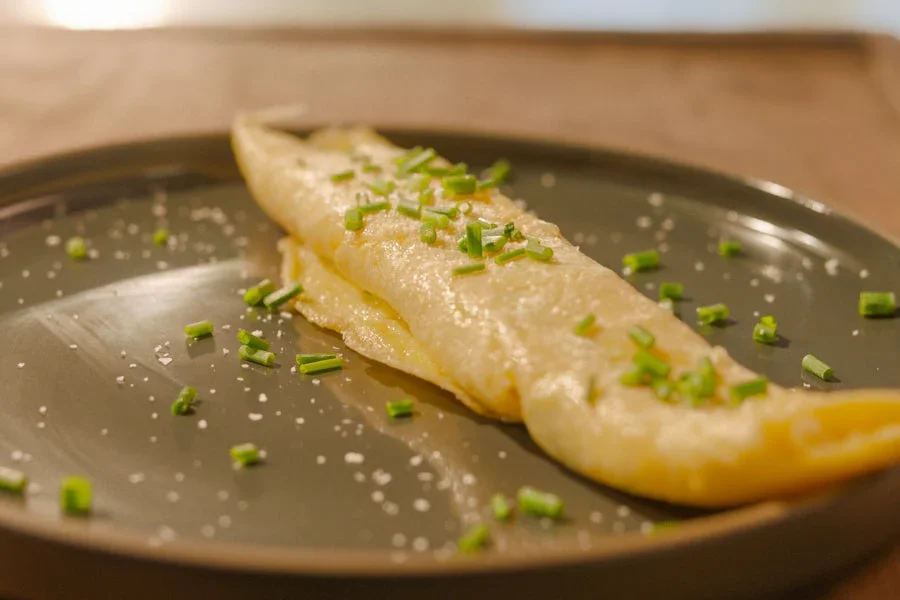
A classic omelette made with softly set eggs, butter and fresh chives. The quick cooking and gentle folding make it a useful dish to master for breakfast, lunch or a simple supper.
Ingredients
- 3 largeeggs
- 1.25 ml (¼ teaspoon)kosher salt
- A few grindsfreshly ground black pepper
- 30 ml (2 tablespoons)unsalted butter
- 15 ml (1 tablespoon), choppedchives, to garnish
Instructions
- 1
Whisk the eggs
In a medium bowl, vigorously whisk the eggs with the salt and pepper for about 15 seconds, until the whites are fully mixed into the yolks.
- 2
Heat the pan
Warm the pan over medium heat. When it is hot, add the butter and swirl it around the base and sides.
- 3
Cook the eggs
When the butter is foaming but has not browned, pour in the eggs. Quickly move a spatula across the base while swirling the pan, gently shifting set egg aside so uncooked egg can reach the hot surface. Scrape egg from the sides as it cooks. After 1–2 minutes, when there is an even soft layer and no pools of raw egg remain, stop stirring; the surface should still look creamy.
- 4
Fold the omelette
Tilt the pan so the omelette moves towards its edge, then use a spatula to gently roll it over itself.
- 5
Plate and garnish
Hold the pan over a plate and turn out the omelette with the seam underneath. Sprinkle the chopped chives over the top and serve.
What is a classic omelette?
An omelette is a dish of beaten eggs cooked in a pan and folded while still tender. This simple style is common in French cooking, where careful heat control and a soft texture matter more than a long list of fillings.
Butter enriches the eggs, while chives add a fresh, mild onion note. The method keeps the centre creamy and gives the finished omelette a neat fold.
Nutrition and macros by portion
The nutrition label shows one serving as written: 425 calories, 19g protein, 2g carbs, 37g fat.
| Portion | Adjustment | kcal | Protein | Carbs | Fat |
|---|---|---|---|---|---|
| Lighter | Use less butter | 298 kcal | 13g | 1g | 26g |
| This serving | As written | 425 kcal | 19g | 2g | 37g |
| Hungry | Add toast or potatoes | 638 kcal | 29g | 3g | 56g |
The eggs provide most of the protein, while the butter contributes much of the fat and saturated fat; the eggs also provide a small amount of fat. There is very little carbohydrate, mainly from the chives. Add a portion of vegetables or salad alongside to make the plate more varied.
Whisking the eggs
Even mixture: whisk until the whites and yolks are fully combined, about 15 seconds. This helps the omelette cook evenly rather than leaving distinct streaks of white.
Managing the heat
Foaming butter: add the eggs when the butter has melted and begun to foam, but before it browns. If it is already taking on colour, the pan is too hot for the delicate eggs.
Steady cooking: medium heat gives you time to move the eggs before they set completely. Swirling the pan also helps uncooked egg run onto the hot base.
Getting the right texture
Soft curds: push the spatula gently across the pan to move the cooked egg and make space for liquid egg. Stop once the mixture has set into an even layer with no visible pools of raw egg.
Creamy surface: the top should still look soft when you stop stirring. It will continue to cook briefly as you fold and plate it.
Folding and serving
Easy release: tilt the pan so the omelette slides towards the rim, then roll it over itself with a spatula. Turn it onto the plate seam-side down to help it hold its shape.
Fresh finish: add the chives just before serving so their colour and flavour remain bright. Serve straight away, while the eggs are warm and tender.
What to serve with it
Simple sides: pair the omelette with toast or a green salad for a straightforward meal. For a more substantial plate, add boiled potatoes or cooked vegetables.
Recipe notes & tips
- Whisk the eggs until the whites are no longer visibly separate from the yolks.
- Have the spatula and plate ready before the eggs go into the pan.
- Keep the heat at medium so the butter foams without browning.
- Move the eggs gently and stop stirring as soon as they form an even layer.
- Fold and serve promptly for the softest texture.
Variations
- Herb finish: replace some of the chives with chopped parsley.
- Cheese filling: scatter a little grated cheese over the eggs just before folding.
- Mushroom addition: cook sliced mushrooms separately and add them before folding.
- Tomato addition: add a small amount of diced, drained tomato as a filling.
- Peppery finish: grind a little extra black pepper over the omelette just before serving.
Common mistakes to avoid
- Browned butter: the eggs can cook too quickly; add them as soon as the butter foams.
- Uneven whisking: streaks of white may remain; whisk until the eggs are fully combined.
- Stirring too long: the omelette can lose its creamy surface; stop when no pools of raw egg remain.
- Rough folding: the eggs may tear; tilt the pan and roll the omelette gently with a spatula.
- Waiting to serve: the eggs continue to set as they stand; plate and serve as soon as they are folded.
How to store
This omelette is best eaten straight away. If necessary, refrigerate it in a covered container for up to 1 day, then reheat gently in a pan until hot; the texture may become firmer.
Frequently asked questions
How do I know when the omelette is ready to fold?
Fold once the eggs have formed an even layer and there are no visible pools of raw egg. The surface should still look creamy.
Why is my omelette browning?
The pan may be too hot. Keep it over medium heat and add the eggs when the butter is foaming but not browned.
Can I make this omelette without chives?
Yes. The chives are a garnish, so you can leave them out or use another fresh herb.
Can I add a filling?
Yes. Prepare fillings such as cooked mushrooms or grated cheese beforehand, then add them just before folding so they do not make the eggs difficult to handle.
Can I prepare it ahead?
It is quickest and softest when cooked just before serving. You can whisk the eggs shortly beforehand, but cook and fold the omelette when you are ready to eat.
Cook it from the original
This recipe comes from fromourplace.ca. Their page has the author’s own photos, notes and tips — the best place to cook it from.
Open the recipe on fromourplace.ca