
Early fig jam
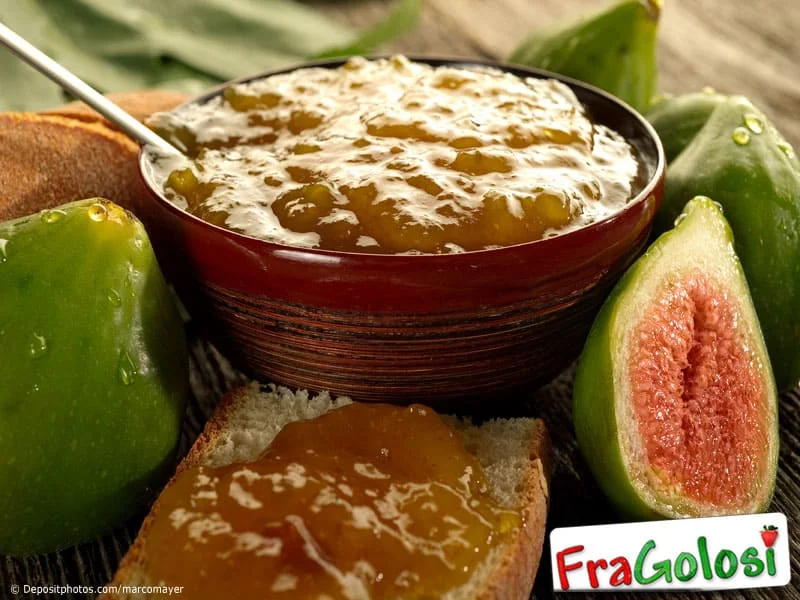
Early fig jam is made by simmering ripe early-season figs in a lemon-scented sugar syrup until the fruit turns glossy and the jam sets. Its clear, fruit-forward finish makes it lovely on toast, with yoghurt or alongside cheese.
Ingredients
- 2 kgripe early figs
- 2 kg (the same weight as the prepared figs)sugar
- Juice of 1untreated lemon
- A pinchvanilla
- 400 g (200 g per kg of sugar)water
Instructions
- 1
Prepare the figs
Peel the figs, quarter them, then chop them into smaller pieces. Weigh the prepared fruit and set aside the same weight of sugar. For every 1 kg of sugar, measure 200 g of water.
- 2
Make the syrup
Put the water and sugar in a high-sided pan over low heat, stirring until the sugar dissolves completely. Bring the syrup to the boil very slowly, taking care not to let it caramelise. It is ready when bubbles form on the surface and turn into little balls if you blow on them.
- 3
Cook the fruit
Add the chopped figs, lemon juice and a pinch of vanilla to the syrup. Cook over very low heat for 5 minutes, stirring constantly, then lift out the figs. Boil the syrup over a high heat for about 10 minutes, return the fruit to the pan and cook for a further 30 minutes.
- 4
Skim the surface
Skim the mixture from time to time during cooking to remove any impurities that rise to the surface. This helps the finished jam look as clear as possible.
- 5
Check the set
The jam is ready when it pulls away from the sides of the pan and a drop placed on a plate sets as it cools. Let it cool slightly, then ladle it into glass jars and lids that have been boiled to sterilise them and dried thoroughly.
- 6
Fill the jars
Fill each jar to just below the rim. Wipe the rims with a damp cloth once the jars are filled.
- 7
Seal the jars
Tap the jars gently on the work surface to settle the contents, then seal them tightly. Turn them upside down for about 10 minutes to create a vacuum, then turn them upright again.
- 8
Prepare the pan
Arrange the jars in a pan large enough to hold them, separating them with tea towels. Add cold water until it reaches 4–5 cm above the lids.
- 9
Sterilise the jars
Bring the water to the boil, then simmer the jars for 35–50 minutes, timing from the start of the boil. Let the jars cool in the water before taking them out.
- 10
Label and store
Remove the jars from the cooled water, dry them and label them with the preparation date. Store them in a cool, dark, dry place.
What is early fig jam?
This Italian-style preserve uses early figs, known as fioroni, which ripen before the main fig crop. The method cooks the fruit in a syrup rather than simply mixing it with sugar, giving the jam a glossy, clear appearance.
Whole fruit pieces: the figs are briefly cooked, lifted out and added back after the syrup has reduced. Lemon and a little vanilla add brightness and fragrance without overwhelming the figs.
Nutrition and macros by portion
The nutrition label shows one serving as written: 2305 calories, 4g protein, 595g carbs, 2g fat.
| Portion | Adjustment | kcal | Protein | Carbs | Fat |
|---|---|---|---|---|---|
| Lighter | Use less jam per serving | 1614 kcal | 2g | 417g | 1g |
| This serving | As written | 2305 kcal | 4g | 595g | 2g |
| Hungry | Serve a larger spoonful | 3458 kcal | 5g | 893g | 2g |
The figs and sugar provide nearly all the energy and carbohydrate, while the figs contribute a little fibre and very small amounts of protein and fat. The lemon adds little to the overall macros; serve a modest spoonful with unsweetened yoghurt or alongside a meal rather than treating the jam as the main part of the plate.
Choosing the fruit
Ripe figs: choose fruit that gives slightly when pressed but is not bruised or fermenting. Since the recipe uses an equal weight of sugar, weigh the figs after peeling and chopping.
Lemon: use an untreated lemon for its juice, as specified. It brings a sharper note to the sweet syrup.
Getting the syrup right
Gentle start: dissolve the sugar in the water over low heat, stirring so the mixture does not catch on the bottom of the pan. Bringing it to the boil slowly helps the sugar dissolve before the syrup becomes concentrated.
Watch the bubbles: the recipe describes bubbles that turn into little balls when blown on as the cue that the syrup is ready. Avoid letting it darken or smell caramelised.
Managing the two-stage cook
Brief fruit cook: the figs spend just 5 minutes in the syrup at very low heat before being lifted out. Stir continuously during this stage to keep the mixture moving.
Reduced syrup: boil the syrup for about 10 minutes over a higher heat, then return the fruit for another 30 minutes. Keep an eye on the pan as it thickens, and skim away any surface impurities.
Checking the finish
Pan cue: the jam should begin to pull away from the sides of the pan as it thickens. Stir carefully so the fruit and syrup cook evenly.
Cold-plate cue: let a drop cool on a plate; it should solidify rather than run freely. The jam will be hot, so allow it to cool slightly before filling the prepared jars.
Serving ideas
Breakfast: spread the jam on toast or spoon it over plain yoghurt. Its sweetness also works well with porridge or soft cheese.
Cheese board: try a small spoonful with mature or creamy cheeses. Use it sparingly with savoury dishes, since the equal-weight sugar syrup makes it distinctly sweet.
Jarring and storage
Clean rims: fill the jars just below the rim, wipe them with a damp cloth and seal them tightly. The recipe then calls for a 35–50-minute water bath, followed by cooling in the water.
Preserving caution: boiling jars and turning them upside down do not by themselves establish that a preserve is safely shelf-stable. For room-temperature storage, follow a tested preserving process for this exact recipe; otherwise refrigerate the jam.
Recipe notes & tips
- Weigh the figs after peeling and chopping so the sugar amount matches the prepared fruit.
- Use a high-sided pan to give the syrup room to bubble without splashing.
- Stir constantly during the first 5-minute fig cook, as the method directs.
- Skim the surface periodically to help keep the finished jam clear.
- Use thoroughly dried jars and lids after boiling them.
- Label each jar with its preparation date before putting it away.
Variations
- More lemon: add a little extra lemon juice for a sharper finish, bearing in mind it changes the stated recipe.
- Vanilla note: adjust the pinch of vanilla slightly to make its aroma more noticeable.
- Chunkier texture: cut the figs into larger pieces before cooking.
- Smoother jam: mash some of the cooked figs before returning them to the syrup.
- Cheese pairing: serve the jam alongside a selection of cheeses rather than changing the preserve itself.
Common mistakes to avoid
- Unequal weights: weigh the prepared figs and use the same weight of sugar.
- Rushing the syrup: bring it to the boil slowly so the sugar dissolves without caramelising.
- Skipping the stirring: stir continuously during the first 5 minutes to keep the fruit moving.
- Leaving the foam: skim the surface occasionally to remove impurities.
- Guessing the set: test a drop on a plate and let it cool before deciding the jam is ready.
- Assuming the seal is enough: use a tested preserving process for shelf storage, or keep the jars refrigerated.
How to store
The method says to store the jars in a cool, dark, dry place after processing, but inversion and the stated water bath alone do not confirm safe shelf stability. Follow a tested preserving process for room-temperature storage; otherwise refrigerate the jam and use it within a few weeks, checking for any signs of spoilage.
Frequently asked questions
What are early figs?
They are the first figs of the season, called fioroni in Italian. The recipe uses ripe early figs peeled and chopped before weighing.
Can I use ordinary ripe figs?
Yes, ripe figs can be used, though the fruit may differ in sweetness and texture. Weigh them once prepared and match that weight with sugar as directed.
How can I tell when the jam is set?
Look for the jam pulling away from the pan sides, then check a drop on a plate. It should solidify as it cools rather than remain runny.
Why are the figs removed from the syrup?
The method reduces the syrup on its own for about 10 minutes before returning the fruit. This helps concentrate the syrup while keeping the fruit in a separate cooking stage.
Do I have to peel the figs?
The recipe calls for peeled figs, so peeling gives the intended texture and appearance. Cut them into quarters first, then chop them smaller.
Can these jars be stored in a cupboard?
Only if the preserve has been processed using a tested method appropriate for this recipe. Otherwise, refrigerate it; turning jars upside down is not a substitute for validated preserving guidance.
Cook it from the original
This recipe comes from fragolosi.it. Their page has the author’s own photos, notes and tips — the best place to cook it from.
Open the recipe on fragolosi.it