
Courgette crostini
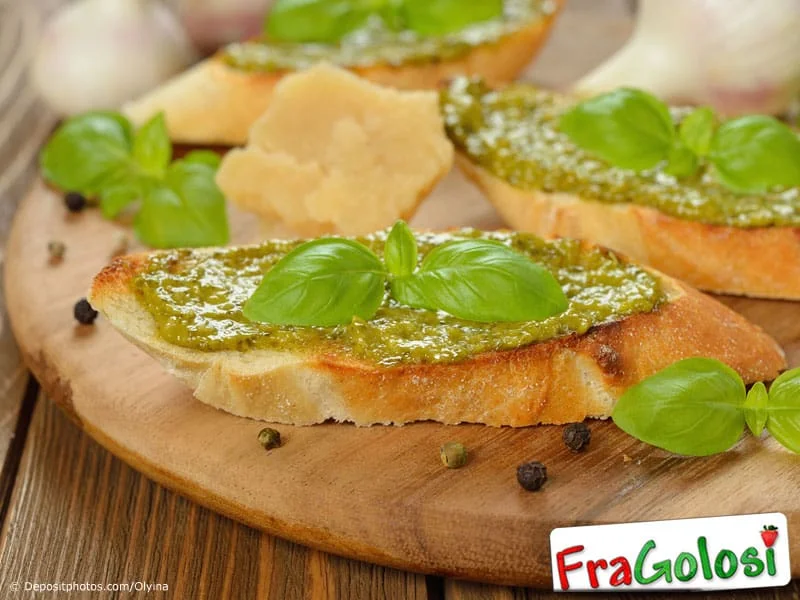
Courgette crostini are crisp slices of bread topped with a fresh, basil-scented courgette pesto. They make a quick Italian-inspired starter, with pine nuts and Parmesan adding richness to the mild courgette.
Ingredients
- 8 slicesrustic bread
- 1 large or 2 mediumcourgette
- 40 gpine nuts
- 30 ggrated Parmesan
- 30 ml (2 tablespoons)extra-virgin olive oil
- about 10 leavesbasil
- to tastesalt
- to tasteblack pepper
Instructions
- 1
Blend the courgette
Wash the courgette, trim off the ends and dice it. Blend it while raw.
- 2
Make the pesto
Add all the remaining ingredients, pouring in the oil gradually at the end, until the mixture reaches the consistency you want.
- 3
Toast the bread
Toast the bread slices, then spread them with the courgette pesto.
- 4
Finish with basil
Garnish the crostini with basil leaves, as desired.
What are courgette crostini?
Crostini are small slices of toasted bread served with a topping, a familiar Italian antipasto. This version uses a pesto-like spread of raw courgette, basil, pine nuts, Parmesan and olive oil.
The topping is quick to blend and gives the crisp bread a fresh, savoury contrast. It is best spread on the toast shortly before serving.
Nutrition and macros by portion
The nutrition label shows one serving as written: 383 calories, 12g protein, 45g carbs, 16g fat.
| Portion | Adjustment | kcal | Protein | Carbs | Fat |
|---|---|---|---|---|---|
| Lighter | Use less oil | 268 kcal | 8g | 31g | 11g |
| This serving | As written | 383 kcal | 12g | 45g | 16g |
| Hungry | Add extra crostini | 575 kcal | 18g | 68g | 24g |
The bread provides most of the carbohydrates, while olive oil and pine nuts contribute much of the fat; Parmesan adds protein and some additional fat. Serve the crostini with a generous salad or vegetable soup to add more vegetables to the plate.
Choosing the courgette
Fresh courgette: the recipe blends it raw, so wash it well and trim away both ends before dicing. A large courgette or two medium ones will work.
Even pieces: cut the courgette into small, similar-sized dice so it blends readily with the other ingredients.
Getting the pesto texture right
Blend first: process the diced courgette before adding the rest, then blend in the other ingredients. Drizzle in the oil last rather than adding it all at once.
Adjust gradually: stop when the spread is smooth enough to spread but still holds on the bread. Add the oil in a thin stream as needed to reach your preferred consistency.
Toasting the bread
Crisp base: toast the bread until it is firm and lightly browned, so it can support the topping. The recipe does not specify a toasting time, as this depends on the bread and method.
Serve promptly: spreading the pesto just before serving helps the toast retain its crunch.
Balancing the flavours
Savoury notes: Parmesan brings saltiness and pine nuts add a rounded, nutty flavour. Taste the pesto before seasoning, since the cheese is already salty.
Fresh finish: basil is blended into the spread and can also be used as a garnish. Add black pepper to taste.
Serving ideas
As a starter: arrange the crostini on a platter and serve while the bread is crisp. They also fit well on an antipasto table.
For a light lunch: pair them with a green salad or a bowl of vegetable soup for a more substantial plate.
Recipe notes & tips
- Taste the pesto before adding salt, as Parmesan can make it salty enough.
- Pour in the olive oil gradually so you can control the spread's consistency.
- Toast the bread until crisp enough to hold the topping.
- Spread the pesto on the bread shortly before serving to help it stay crisp.
- Keep a few basil leaves aside for the garnish.
Variations
- More basil: blend in extra leaves for a stronger herbal flavour.
- Extra pepper: add more black pepper for a warmer finish.
- Chunkier pesto: blend briefly so some courgette texture remains.
- Garlic note: blend in a little garlic for a more pungent spread.
- Different nuts: use another nut in place of the pine nuts for a different flavour.
Common mistakes to avoid
- Adding all the oil at once: drizzle it in gradually so the pesto does not become looser than you want.
- Under-toasting the bread: toast until the slices are firm enough to support the topping.
- Over-salting: taste after adding the Parmesan, then season cautiously.
- Spreading too early: add the pesto shortly before serving to keep the bread crisp.
- Leaving large courgette pieces: dice them before blending so they process more evenly.
How to store
Store leftover pesto in a covered container in the fridge and use within 2 days. Keep it separate from the toasted bread, which is best toasted and topped just before serving.
Frequently asked questions
Do I cook the courgette first?
No. The recipe uses raw courgette, washed, trimmed and diced before blending.
Can I make the pesto ahead?
Yes, blend it ahead and keep it covered in the fridge for up to 2 days. Toast the bread and spread the pesto shortly before serving.
How should I toast the bread?
Toast the slices until crisp and lightly browned. The recipe does not give a specific time, so check them as they toast.
How do I make the pesto thicker?
Add the oil slowly and stop when the spread reaches the consistency you prefer. If you have already added the oil, blend in a little more courgette or Parmesan.
Can I use another type of bread?
Yes. Choose a bread that can be sliced and toasted firmly enough to hold the pesto.
Cook it from the original
This recipe comes from fragolosi.it. Their page has the author’s own photos, notes and tips — the best place to cook it from.
Open the recipe on fragolosi.it