
Sea bass and spinach ravioli
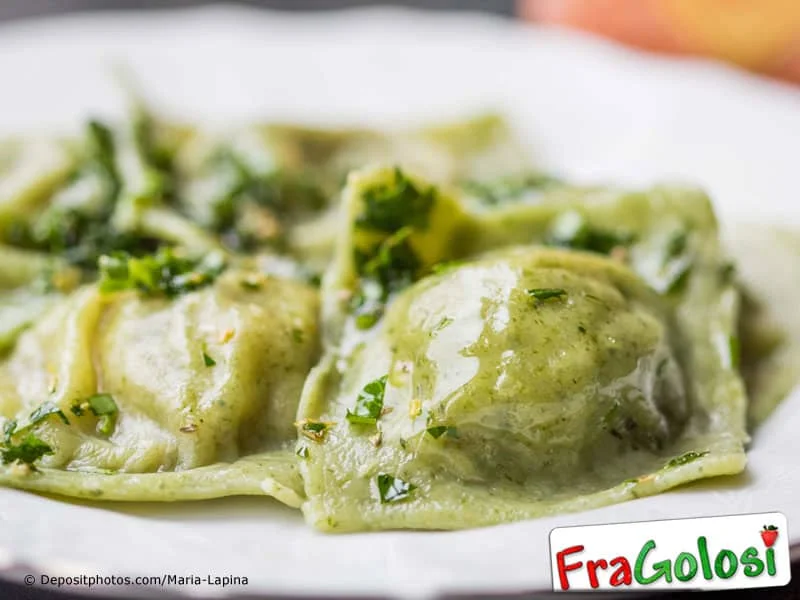
These sea bass and spinach ravioli pair delicate fresh pasta with a savoury fish-and-greens filling, finished with melted butter and grated mullet roe. They take a little time to assemble, but make a special meal from simple Italian ingredients.
Ingredients
- 300 gplain flour
- 3eggs
- 1 tablespoon (optional)oil
- to tastesalt
- 1, about 1 kgsea bass
- 500 gspinach
- 50 gbutter
- 1 largeegg
- as neededsandwich bread
- as neededmilk
- to tastearomatics such as bay leaf, parsley or sage
- 120 ggood-quality butter
- to tastemullet roe
Instructions
- 1
Make the dough
Pile the flour on the work surface and make a well. Add a pinch of salt and pour the previously beaten eggs into the centre. Draw in the flour first with a fork, then use your hands to bring the mixture together.
- 2
Rest the pasta
Knead for about 10 minutes, until the dough is firm and elastic. Shape it into a ball, wrap it in cling film and leave it to rest for 30 minutes. Dust the work surface with flour and roll out the dough with a rolling pin.
- 3
Cut the strips
Cut the pasta into strips 4 cm wide and leave them on a floured tray to dry. Meanwhile, wash and gut the sea bass, then steam it in a fish kettle half-filled with water flavoured with your chosen aromatics.
- 4
Prepare the fish
When the fish is cooked, remove its skin, fillet it and carefully remove all the bones. Break the flesh into very small pieces and put it in a bowl.
- 5
Cook the spinach
Wash the spinach thoroughly and put it in a pan with only the water clinging to its leaves. Lightly salt it, cover the pan and cook for a couple of minutes.
- 6
Mix the filling
Drain the spinach and leave it until cool enough to handle. Squeeze it dry, chop it and sauté it in the 50 g of butter. Let it cool, then combine it with the chopped sea bass and season with salt and pepper.
- 7
Fill the pasta
Add the egg and enough bread crumb, softened in milk and squeezed out, to make a soft filling that is not sticky. Mix until smooth. Place small mounds of filling along each pasta strip, spacing them 4 cm apart.
- 8
Shape the ravioli
Cover the filling with another strip of pasta and press firmly around each mound to push out all the air. Cut into equal-sized squares with a fluted pastry wheel or a knife.
- 9
Melt the butter
Arrange the ravioli on a floured tea towel and leave them to dry. Melt the 120 g of butter in a large frying pan over a very low heat and keep it warm.
- 10
Cook and serve
Boil the sea bass and spinach ravioli in plenty of salted water. Drain them as soon as they rise to the surface and add them to the pan with the butter. Toss to coat, grate mullet roe over the top and serve immediately.
What are sea bass and spinach ravioli?
Ravioli are filled pasta parcels associated with Italian cooking, with regional variations in their shape and fillings. This version brings together sea bass and spinach, then uses butter and mullet roe for a rich, savoury finish.
Fresh pasta gives the parcels a tender bite, while the bread crumb helps bind the moist filling. The fish is steamed with aromatics, so its flavour stays delicate rather than being masked.
Nutrition and macros by portion
The nutrition label shows one serving as written: 815 calories, 42g protein, 90g carbs, 36g fat.
| Portion | Adjustment | kcal | Protein | Carbs | Fat |
|---|---|---|---|---|---|
| Lighter | Use less finishing butter | 571 kcal | 29g | 63g | 25g |
| This serving | As written | 815 kcal | 42g | 90g | 36g |
| Hungry | Serve a larger portion | 1223 kcal | 63g | 135g | 54g |
The flour and bread crumb provide most of the carbohydrates, while the two portions of butter contribute much of the fat. Sea bass and eggs supply protein, with spinach adding some fibre and a little more protein. Pair a serving with a green salad or vegetables to add freshness and round out the meal.
Choosing the ingredients
Sea bass: Use a whole fish of about 1 kg as specified, and take care to remove every bone after cooking. Flaking it finely helps the filling sit neatly inside the pasta.
Spinach: Fresh leaves are cooked briefly in the water clinging to them, then squeezed and chopped. Removing excess moisture helps keep the filling from becoming loose.
Mullet roe: Grate it over the finished ravioli just before serving. Its salty, savoury flavour contrasts with the butter and mild fish.
Getting the pasta right
Knead the dough for about 10 minutes, until it feels firm and elastic, then give it the full 30-minute rest. Resting makes it easier to roll out without springing back.
Keep the work surface lightly floured while rolling and cutting the 4 cm-wide strips. The recipe uses a rolling pin, so aim for an even sheet that is thin enough to cook through but sturdy enough to hold the filling.
Keeping the filling in place
Filling texture: Add the milk-softened bread crumb gradually, using only enough to make the mixture soft but not sticky. The exact amount depends on how moist the fish and spinach are.
Sealing: Space the filling mounds 4 cm apart, cover with the second strip and press closely around each one. Pushing out trapped air helps the ravioli stay sealed as they cook.
Knowing when they are ready
The pasta strips are left to dry briefly before filling, and the finished ravioli are left on a floured tea towel while you prepare the butter. Keep them in a single layer so they do not stick together.
Boil the ravioli in plenty of salted water and lift them out as soon as they rise to the surface, as the method directs. Handle them gently when transferring them to the butter.
Serving the ravioli
Keep the butter over a very low heat so it melts without browning, then toss the cooked ravioli in it to coat. Grate the mullet roe over the top and serve straight away.
A simple green salad or lightly dressed vegetables make a fresh accompaniment to the buttery pasta. Serve modest portions alongside them if you want a more balanced plate.
Recipe notes & tips
- Squeeze the cooked spinach thoroughly before chopping it for the filling.
- Check the sea bass carefully for pin bones after filleting.
- Add bread crumb a little at a time so the filling stays soft rather than stiff.
- Press around each mound of filling to remove air before cutting the ravioli.
- Keep the shaped ravioli on a floured tea towel in a single layer.
- Have the butter melted and ready before cooking the ravioli so you can serve them immediately.
Variations
- Change the aromatics: Choose bay leaf, parsley or sage to flavour the steaming water.
- Use a pasta machine: Roll the rested dough into even sheets before cutting the strips.
- Add lemon: Finish with a little finely grated lemon zest for a brighter flavour.
- Adjust the roe: Add less mullet roe for a milder, less salty finish.
- Serve with greens: Add a simple side of seasonal vegetables alongside the ravioli.
Common mistakes to avoid
- Wet filling: Squeeze the spinach well and add the bread crumb gradually so the mixture is not sticky.
- Bones in the fish: Carefully check the fillets by hand before chopping the flesh.
- Air trapped inside: Press around each filling mound to push out air before sealing the pasta.
- Ravioli sticking: Leave them on a floured tea towel in a single layer while they dry.
- Butter browning: Melt it over a very low heat and keep it warm without letting it colour.
- Overcooking the pasta: Drain the ravioli as soon as they rise to the surface.
How to store
These ravioli are best served immediately after cooking. Keep any uncooked leftovers covered in the fridge and cook them promptly; cooked leftovers can be refrigerated in an airtight container for up to 2 days and reheated gently in a pan with a little butter.
Frequently asked questions
Can I make the pasta dough ahead?
Yes. The dough already needs a 30-minute rest; you can also wrap it well and refrigerate it for a short time before rolling. Let it soften slightly at room temperature if it feels firm to roll.
How do I know the sea bass is cooked?
The fish should be opaque and flake apart easily. Once cooked, remove the skin and carefully check the flesh for bones.
Can I use frozen spinach?
The recipe calls for fresh spinach, cooked briefly in the water left on its leaves. If using frozen spinach, thaw it and squeeze it very thoroughly before chopping and sautéing.
Can I freeze the ravioli?
Freeze uncooked ravioli in a single layer until firm, then transfer them to a suitable container. Cook from frozen in salted boiling water, allowing extra time and draining them when they rise.
What can I use instead of mullet roe?
The roe gives the dish a distinctive salty finish. You can leave it out or use a little finely grated hard cheese, though the flavour will be different.
Cook it from the original
This recipe comes from fragolosi.it. Their page has the author’s own photos, notes and tips — the best place to cook it from.
Open the recipe on fragolosi.it