
Zacuscă
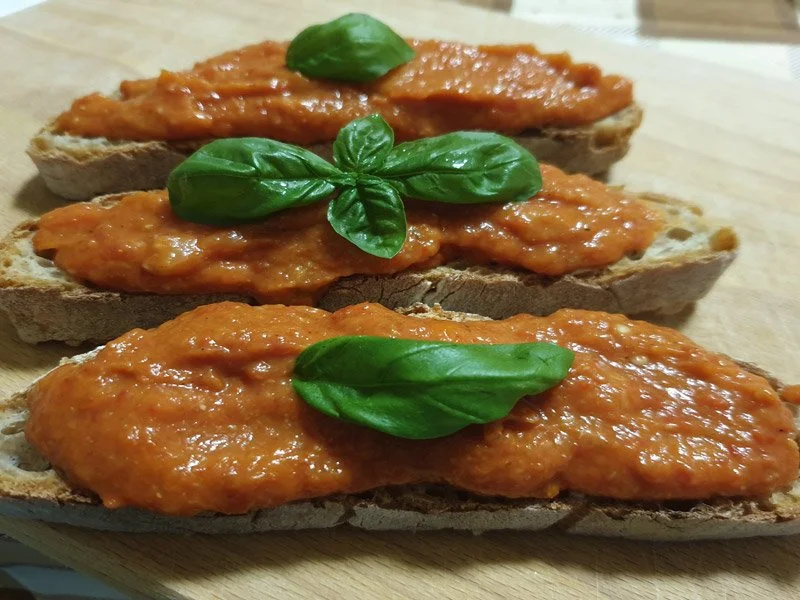
Zacuscă is a Romanian aubergine and red pepper spread, slowly cooked with tomato, onion and oil. Serve it on toast, or use it as a savoury accompaniment to pasta, grilled meat or sausages.
Ingredients
- 4large aubergines
- 3red peppers
- 1 mediumwhite onion
- 1jalapeño chilli (optional)
- 500 ml (or 500 g)passata (or peeled tomatoes)
- 1 teaspoonhoney (or sugar)
- 1bay leaf
- 125 mlsunflower oil (or light olive oil)
- to tastesalt
- to tasteblack pepper
Instructions
- 1
Grill the aubergines
Rinse and dry the aubergines, peppers, chilli and bay leaf. Heat a griddle over a medium heat and brush it lightly with oil. Prick the aubergines with a skewer so steam can escape, then grill them, turning every few minutes, until soft; this takes about 40 minutes.
- 2
Cool and slit
Transfer the cooked aubergines to a paper bag and leave them to cool slightly for about 10 minutes. Remove them, cut horizontally just below the stalk, then make a lengthwise cut through the skin.
- 3
Scoop the flesh
Scoop out the aubergine flesh and set it aside. Return the griddle to the heat and, once hot, add the peppers. Turn them regularly until their skins blister, char and begin to lift.
- 4
Steam the peppers
Grill the peppers for about 20 minutes. Put them in a paper bag, seal it and leave for about 10 minutes, then remove the stalks, skins, inner membranes and seeds.
- 5
Use the oven
Alternatively, cook the aubergines and peppers in a preheated conventional oven at 200°C, covered with foil and turned regularly. Remove the peppers after about 20 minutes, when their skins begin to blister and lift. Leave the aubergines in for a further 20–25 minutes, until their skins darken and they are soft.
- 6
Drain and blend
For the oven method, remove the aubergines, let them cool slightly and peel them. Put the flesh in a colander, weigh it down and leave it to drain for 20 minutes. Blend the aubergine and peppers with a hand blender. Peel, rinse, dry and finely chop the onion.
- 7
Soften the onion
Heat a little sunflower oil in a saucepan. Add the chopped onion and the seeded, finely chopped jalapeño, and cook gently for a few minutes, stirring with a wooden spoon.
- 8
Add the vegetables
When the onion is soft, stir in the aubergine and pepper purée, bay leaf, passata or chopped peeled tomatoes, sunflower oil and honey. The honey is optional and is intended to soften the acidity of the tomatoes and the bitterness of the aubergine. Bring the mixture to the boil, then lower the heat.
- 9
Simmer until creamy
Season with salt and pepper, cover the pan and cook gently for about 60 minutes, until soft and creamy. If it becomes too dry, add a few tablespoons of hot water; if it is still watery, uncover the pan to let it reduce.
- 10
Stir and serve
Stir frequently during cooking to stop the zacuscă catching on the bottom of the pan. When ready, remove the bay leaf and adjust the salt. Serve on toasted bread, or with pasta, grilled meat, burgers or sausages; the recipe also suggests preserving it for later use.
What is zacuscă?
Zacuscă is a Romanian vegetable spread, commonly made with aubergine and peppers cooked down with tomato and onion. Its name is often associated with a range of Romanian vegetable preserves, and recipes vary from household to household.
Here, charring the vegetables first builds a deep, smoky flavour, while a slow simmer brings them together into a soft, spoonable mixture. Spread it on toast or serve it as a savoury side.
Nutrition and macros by portion
The nutrition label shows one serving as written: 230 calories, 6g protein, 28g carbs, 15g fat.
| Portion | Adjustment | kcal | Protein | Carbs | Fat |
|---|---|---|---|---|---|
| Lighter | Use less sunflower oil | 161 kcal | 4g | 20g | 10g |
| This serving | As written | 230 kcal | 6g | 28g | 15g |
| Hungry | Serve with extra toast | 345 kcal | 8g | 42g | 22g |
The aubergines, peppers, onion and tomato provide most of the carbohydrates and fibre, while the sunflower oil supplies most of the fat. There is only a modest amount of protein in the vegetables, so serve a portion with beans, eggs or another protein-rich dish and add fresh vegetables for balance.
Charred vegetables build flavour
Aubergines: pricking them before grilling gives steam a way out as they soften. Turning them regularly helps the skin darken while the flesh becomes tender.
Peppers: cook until the skin blisters and loosens, then let them steam briefly in a closed paper bag. This makes the skins easier to remove and leaves the sweet pepper flesh ready to blend.
Choose a cooking route
Griddle: the stated method grills the aubergines for about 40 minutes and the peppers for about 20, turning them as they cook. The time can vary with the size of the vegetables and the heat of the griddle.
Oven: the alternative is a preheated conventional oven at 200°C, with the vegetables covered in foil and turned regularly. Take the peppers out after about 20 minutes and leave the aubergines in for another 20–25 minutes.
Drain the aubergine well
Draining: the oven method calls for weighting the peeled aubergine flesh in a colander for 20 minutes. This removes excess liquid before blending and simmering.
Blending: blend the drained aubergine with the skinned, deseeded peppers. A hand blender makes a smooth purée; blend less if you prefer a coarser spread.
Simmer for the right texture
Gentle heat: once the tomato mixture boils, lower the heat and simmer it covered for about 60 minutes. Stir frequently, particularly across the base of the pan, so the thickening vegetables do not catch.
Consistency: the finished zacuscă should be soft and creamy rather than soupy. Add a few tablespoons of hot water if it gets too dry, or remove the lid near the end to reduce excess liquid.
Balance the tomato and seasoning
Tomato: passata gives a smooth base, while peeled tomatoes chopped as directed make it a little more textured. Either option simmers with the vegetables and oil.
Honey: the recipe makes this optional, using it to temper tomato acidity and aubergine bitterness. Add salt and pepper to taste, then check the seasoning again after removing the bay leaf.
Ways to serve it
Toast: serve the spread on toasted bread for a simple snack or light meal. It also works as a condiment with pasta, grilled meat, burgers or sausages.
On the plate: pair a modest amount with a protein-rich main and a fresh salad or vegetables. The spread is rich in oil, so bread or pasta can be adjusted to suit the meal.
Recipe notes & tips
- Prick the aubergines before grilling to let steam escape.
- Turn the vegetables regularly so they soften and char evenly.
- Let the peppers steam in the closed paper bag before peeling them.
- Drain the aubergine flesh for the full 20 minutes in the oven method.
- Stir often once the mixture thickens, especially around the bottom of the pan.
- Taste for salt after removing the bay leaf.
Variations
- Use light olive oil: swap it for the sunflower oil as suggested in the ingredient list.
- Skip the chilli: leave out the jalapeño for a milder spread.
- Choose peeled tomatoes: chop them before adding for a less-smooth tomato base.
- Omit the honey: leave it out if you prefer the tomato flavour without added sweetness.
- Keep it coarse: blend the vegetables briefly for a chunkier texture.
Common mistakes to avoid
- Unpricked aubergines: pierce them with a skewer before grilling so steam can escape.
- Peppers peeled too soon: leave them in the sealed bag for about 10 minutes to loosen the skins.
- Watery aubergine: drain the flesh under a weight for 20 minutes when following the oven method.
- High simmer: lower the heat after the mixture boils so it cooks gently rather than catching.
- Infrequent stirring: stir often during the long simmer to stop the thick spread sticking to the pan.
- Too much liquid: uncover the pan and let the mixture reduce until creamy.
How to store
Cool promptly and refrigerate in a clean, airtight container for up to 4 days; reheat gently in a saucepan, stirring often. For longer storage, freeze in portions for up to 3 months and thaw in the fridge. The recipe mentions pantry preserving, but these instructions do not provide a tested canning process, so do not rely on them for shelf-stable storage.
Frequently asked questions
Can I make zacuscă in the oven?
Yes. Roast the vegetables in a preheated conventional oven at 200°C under foil, turning them regularly. Remove the peppers after about 20 minutes and cook the aubergines for a further 20–25 minutes.
How do I know when the aubergines are cooked?
They should be soft, with darkened skins. On a griddle this takes about 40 minutes; in the oven, cook them for the additional 20–25 minutes after removing the peppers.
Do I have to use the jalapeño?
No. It is optional, and leaving it out makes the spread milder.
Why does the recipe add honey?
The recipe says it can soften the acidity of the tomatoes and the bitterness of the aubergine. It is optional, and sugar is offered as an alternative.
How can I thicken zacuscă that is too watery?
Remove the lid and continue cooking gently so excess liquid can evaporate. Stir regularly to prevent the mixture catching.
What should I serve with zacuscă?
Spread it on toasted bread, or serve it with pasta, grilled meat, burgers or sausages. A fresh salad or vegetables can round out the meal.
Cook it from the original
This recipe comes from fragolosi.it. Their page has the author’s own photos, notes and tips — the best place to cook it from.
Open the recipe on fragolosi.it