
Chickpea mini focaccias
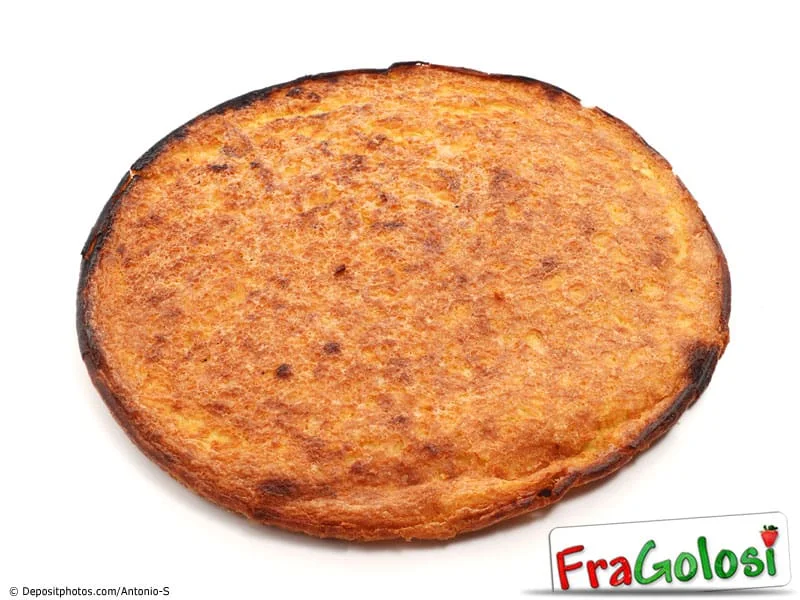
These Italian mini focaccias combine plain flour with chickpea flour for small, soft-centred breads finished with sage. They make a useful savoury snack or a bread side, and the individual rounds are easy to share.
Ingredients
- 500 gplain flour
- 200 gchickpea flour
- 40 gfresh yeast
- 600 mlwater
- 200 mlextra-virgin olive oil
- to tastesage leaves
- to tastesalt
- 1 teaspoonsugar
Instructions
- 1
Mix the flours
Sift both flours with salt onto a work surface and make a well in the centre.
- 2
Activate the yeast
Meanwhile, dissolve the yeast in half a glass of warm water and stir in 1 teaspoon of sugar.
- 3
Add the liquids
Once the yeast mixture starts to foam, pour it into the well with the oil. Gradually add the remaining warm water.
- 4
Bring together
Start mixing with a fork, then use your hands to bring the dough together.
- 5
Let the dough rise
Knead the dough thoroughly, then cover it and leave it to rise for about 30 minutes.
- 6
Roll the dough
Work the dough again with a pinch of salt, then roll it out to a sheet 1 cm thick.
- 7
Cut the rounds
Use a circular cutter to cut out chickpea focaccias, each 10 cm in diameter.
- 8
Top and bake
Brush the rounds with a mixture of oil and water, then sprinkle with crumbled sage leaves. Bake in a preheated oven at 200°C for 20 minutes.
What are chickpea mini focaccias?
Focaccia is an Italian leavened bread, often flavoured with olive oil and herbs. These small rounds adapt that familiar idea by blending chickpea flour with plain flour.
The wheat flour helps the dough rise, while chickpea flour brings a distinctive savoury flavour. A sage topping keeps the finish simple and aromatic.
Nutrition and macros by portion
The nutrition label shows one serving as written: 1060 calories, 24g protein, 154g carbs, 46g fat.
| Portion | Adjustment | kcal | Protein | Carbs | Fat |
|---|---|---|---|---|---|
| Lighter | Use less olive oil | 742 kcal | 17g | 108g | 32g |
| This serving | As written | 1060 kcal | 24g | 154g | 46g |
| Hungry | Serve an extra focaccia | 1590 kcal | 36g | 231g | 69g |
The flours provide most of the carbohydrates, with chickpea flour also contributing protein and fibre. Olive oil is the main source of fat, so serve a focaccia with vegetables or a salad for a more balanced plate.
Choosing the flours
Plain flour: it provides the dough’s structure and helps the focaccias hold their shape as they rise and bake.
Chickpea flour: sift it with the plain flour so it is evenly distributed. Its flavour is more pronounced than wheat flour, so the blend gives the rounds a chickpea character without using it alone.
Getting the yeast started
Warm water: use water that feels warm rather than hot when dissolving the yeast. Very hot water can prevent the yeast from working properly.
Foam cue: wait until the yeast mixture begins to foam before adding it to the flour. The recipe gives about 30 minutes for the covered dough to rise.
Handling and shaping the dough
Mixing: begin with a fork to draw in the flour, then switch to your hands as the dough comes together. Knead it thoroughly before leaving it to rise.
Thickness: roll the dough to 1 cm, then cut 10 cm rounds. Keeping the rounds similar in size helps them bake at a similar rate.
Finishing with oil and sage
Oil and water: brush the rounds with the mixture so the surface is lightly coated before baking. The recipe does not specify a separate quantity for the brushing mixture.
Sage: crumble the leaves over the surface just before the focaccias go into the oven. Use them to taste, spreading them across the rounds rather than piling them in one spot.
When they are ready
Bake the focaccias in an oven preheated to 200°C for 20 minutes. They should look set and lightly coloured; if your oven browns unevenly, check their colour as they bake.
Let them cool briefly before serving so the crumb can settle. They work well alongside soup, salads or a selection of antipasti.
Recipe notes & tips
- Sift the two flours together to avoid lumps of chickpea flour in the dough.
- Add the warm water gradually, as the dough is easier to bring together when the liquid is incorporated in stages.
- Cover the dough during its 30-minute rise so its surface does not dry out.
- Use a ruler to check the rolled dough is about 1 cm thick.
- Keep the sage leaves crumbled fairly finely so they are easy to distribute over the small rounds.
- Preheat the oven fully before baking so the focaccias start cooking at the stated temperature.
Variations
- Rosemary topping: use crumbled rosemary in place of the sage for a different herbal finish.
- Onion topping: scatter a little finely sliced onion over the rounds before baking.
- Seeded finish: sprinkle sesame or fennel seeds over the oiled surface.
- Garlic oil: mix a little crushed garlic into the oil-and-water brushing mixture.
- Larger focaccia: shape fewer, wider rounds and check that they bake through evenly.
Common mistakes to avoid
- Water too hot: it can stop the yeast working; use warm water rather than hot.
- Rushing the foam: wait until the yeast mixture starts to foam before adding it to the flour.
- Adding water all at once: incorporate it gradually so the dough is easier to mix.
- Uneven shaping: roll to a consistent 1 cm thickness and cut rounds of the same diameter.
- Overbaking: check the rounds at the end of the stated 20 minutes and avoid leaving them in longer than needed.
How to store
Keep cooled focaccias in an airtight container at room temperature and eat within 2 days. Reheat briefly in a moderate oven until warmed through; avoid microwaving for too long, as they can turn chewy.
Frequently asked questions
Can I make the dough ahead?
The method specifies a rise of about 30 minutes. For the best match to the recipe, shape and bake the dough after that rise rather than leaving it for an extended period.
How warm should the water be?
Use comfortably warm water, not hot, when dissolving the yeast. Add the remaining warm water gradually as you mix.
Can I use dried yeast instead of fresh yeast?
The recipe is written for 40 g of fresh yeast. Dried yeast has a different strength, so use the conversion given on its packaging rather than substituting the same weight.
Can I make the rounds without a cutter?
Yes. Use a glass or another round cutter close to 10 cm in diameter, or cut the dough into small squares instead.
How can I tell when they are baked?
Bake for 20 minutes at 200°C as directed and look for rounds that are set and lightly coloured. Ovens vary, so check their appearance towards the end of baking.
Cook it from the original
This recipe comes from fragolosi.it. Their page has the author’s own photos, notes and tips — the best place to cook it from.
Open the recipe on fragolosi.it