
Fig jam
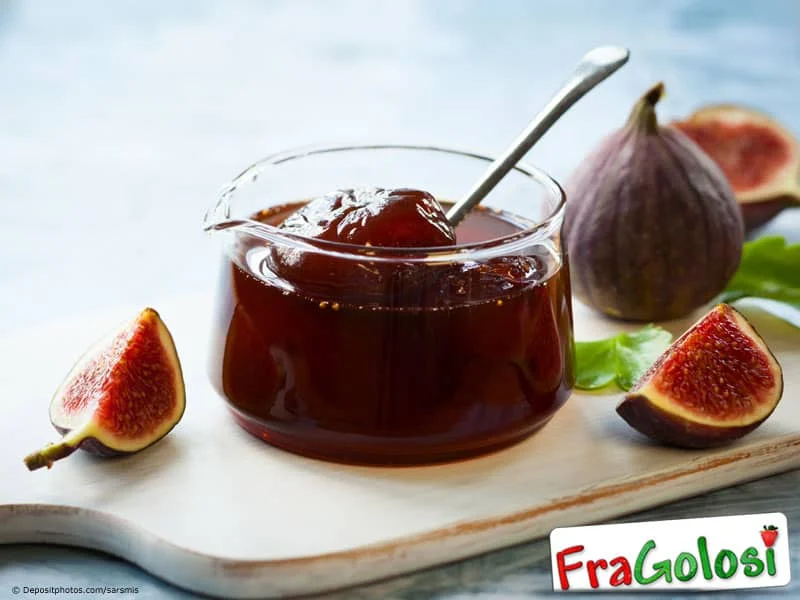
This Italian-style fig jam cooks ripe figs with sugar and lemon until thick and spreadable. Serve it with cheese, spoon it over desserts or spread it on toast.
Ingredients
- 1 kgripe figs
- 250 gsugar
- 1untreated lemon, juice and finely grated zest
Instructions
- 1
Cook the figs
Peel the figs and cut each into four pieces. Put them in a non-stick pan with the sugar, lemon juice and grated zest. Cook over very low heat, stirring regularly with a wooden spoon so the mixture does not stick to the bottom.
- 2
Skim the mixture
From time to time, use a very fine-mesh strainer to try to remove the seeds. Skim off any foam that forms as the mixture cooks.
- 3
Thicken the jam
Let the mixture simmer, first over a low heat and then over a higher heat, stirring carefully. It is ready when the liquid has been absorbed, the jam pulls away from the sides of the pan and a drop placed on a plate sets as it cools.
- 4
Prepare the jars
Leave the jam to cool slightly. Pour it into glass jars and lids that have been sterilised by boiling and dried thoroughly before use.
- 5
Fill the jars
Fill each jar to just below the rim. Once all the jars are filled, wipe their rims with a damp cloth.
- 6
Seal the jars
Tap the jars gently on the work surface to settle the contents. Seal them tightly and turn them upside down for about 10 minutes to create a vacuum.
- 7
Return them upright
Turn the jars upright again, then carry out a further sterilisation, following the initial sterilisation of the jars and lids.
- 8
Arrange in a pan
Place the jars in a pan large enough to hold them comfortably. Separate them with tea towels and add cold water until it stands 4–5 cm above the lids.
- 9
Boil the jars
Bring the water to the boil, then simmer gently for 35–50 minutes, counting from when it starts boiling. Let the jars cool in the same water before removing them.
- 10
Label and store
Once the water is cold, lift out the jars, dry them and label them with the preparation date. Store them in a cool, dark, dry place.
What is fig jam?
Fig jam is a fruit preserve made by cooking figs with sugar until their juices reduce and the mixture thickens. This Italian-inspired version uses lemon juice and zest to give the sweet fruit a brighter flavour.
Ripe figs bring a soft texture and distinctive seed-studded bite. The recipe’s long, gradual cooking helps concentrate their flavour.
Nutrition and macros by portion
The nutrition label shows one serving as written: 435 calories, 3g protein, 110g carbs, 1g fat.
| Portion | Adjustment | kcal | Protein | Carbs | Fat |
|---|---|---|---|---|---|
| Lighter | Use less jam | 305 kcal | 2g | 77g | 1g |
| This serving | As written | 435 kcal | 3g | 110g | 1g |
| Hungry | Serve a larger spoonful | 653 kcal | 5g | 165g | 2g |
Most of the carbohydrates and calories come from the figs and added sugar; the figs also contribute fibre. There is very little fat or protein in the ingredients, so serve a portion with yoghurt or alongside a protein-rich food for a more balanced plate.
Choose ripe figs
Ripeness: Choose figs that feel soft and fragrant but are not spoiled or mouldy. Very ripe fruit breaks down readily and gives the jam a fuller fruit flavour.
Preparation: The method calls for peeling and quartering the figs. Cutting them into similar-sized pieces helps them cook down at a similar pace.
Stir and skim as it cooks
Low heat: Begin gently and stir regularly with a wooden spoon, scraping the bottom of the pan to help prevent sticking. A non-stick pan is specified in the method.
Foam and seeds: Skim off foam as it appears. The fine-mesh strainer is used to try to remove seeds, though some may remain in the finished jam.
Check the setting point
Look for the jam to pull away from the sides of the pan as the liquid reduces. The recipe also uses a plate test: a drop should set as it cools.
Take care during this stage, as thick, hot jam can splutter. Stir thoroughly, especially when increasing the heat.
Fill jars carefully
Clean rims: Fill the prepared jars to just below the rim, then wipe the rims with a damp cloth so no jam is left on the sealing surface.
Water bath: The method specifies separating the jars with tea towels and covering them with water by 4–5 cm. It then gives a simmering time of 35–50 minutes from the start of the boil, followed by cooling in the water.
Serve with sweet or savoury food
Cheese: Offer the jam alongside a cheese board, where its sweetness complements savoury flavours.
Dessert: Spoon it over yoghurt, ice cream or a simple cake, or spread it on toast for breakfast.
Take care with preserving
This recipe does not specify the lemon’s juice quantity or provide tested canning guidance. Do not assume that turning jars upside down or following the stated water-bath method makes them safe for room-temperature storage.
For shelf-stable preserves, use a current, tested preserving recipe and follow its exact acidity, jar and processing instructions. Otherwise, refrigerate the jam and use clean utensils.
Recipe notes & tips
- Use a broad, heavy-based pan to give the fruit plenty of room to reduce.
- Stir regularly from the beginning, paying particular attention to the bottom of the pan.
- Skim the foam as it forms rather than waiting until the end.
- Test a drop on a cool plate and give it time to cool before judging its consistency.
- Dry the sterilised jars and lids thoroughly before filling them.
- Label the jars with the date so you can keep track of when they were made.
Variations
- Warm spice: Add a small piece of cinnamon stick while the figs cook, then remove it before filling the jars.
- Vanilla: Stir in a little vanilla towards the end of cooking for a soft, fragrant note.
- Coarser texture: Skip the attempt to strain out seeds for a more rustic jam.
- Smooth finish: Blend the cooked fruit before filling if you prefer a smoother texture.
- Cheese-board pairing: Add a pinch of black pepper to a portion just before serving for a savoury contrast.
Common mistakes to avoid
- High heat too soon: The fruit can catch on the pan; begin over very low heat and stir regularly.
- Skipping the plate test: The jam may remain loose; check that a cooled drop sets before stopping the cooking.
- Leaving foam in place: It can affect the surface of the jam; skim it off as it forms.
- Filling dirty rims: Residue can interfere with the lid; wipe each rim with a damp cloth before sealing.
- Assuming a seal is safe: An inverted jar is not proof of safe preservation; follow tested canning guidance or refrigerate the jam.
How to store
Because the recipe does not give tested canning guidance, refrigerate the jam rather than relying on the stated process for room-temperature storage. Keep it in clean, sealed jars and use a clean spoon; use promptly, and discard it if you notice mould, fermentation or an unusual smell. Reheat a portion gently if you prefer it warm.
Frequently asked questions
How can I tell when the jam is ready?
The recipe says it is ready when it pulls away from the sides of the pan and a drop sets as it cools on a plate. Let the test drop cool before checking it.
Can I leave the fig seeds in?
Yes. The method only asks you to try to remove some seeds with a very fine-mesh strainer, so you can leave them in for a more rustic texture.
Why does the recipe use lemon?
It uses both the juice and finely grated zest, which add a bright citrus note to the sweet figs. The recipe does not specify how much juice the lemon should yield.
Can I reduce the sugar?
Reducing the sugar changes the balance and may affect how the jam thickens and keeps. For a reliable preserve, follow a tested recipe with the exact quantities given.
Can these jars be stored in a cupboard?
Do not assume they are safe at room temperature based on this method alone. It does not give tested canning instructions or a specified quantity of lemon juice; refrigerate the jam unless you follow current, tested guidance.
What goes well with fig jam?
Try it with cheese, on toast or spooned over a simple dessert. Its sweet, concentrated fruit flavour works with both savoury and sweet foods.
Cook it from the original
This recipe comes from fragolosi.it. Their page has the author’s own photos, notes and tips — the best place to cook it from.
Open the recipe on fragolosi.it