
Cannoli at Home
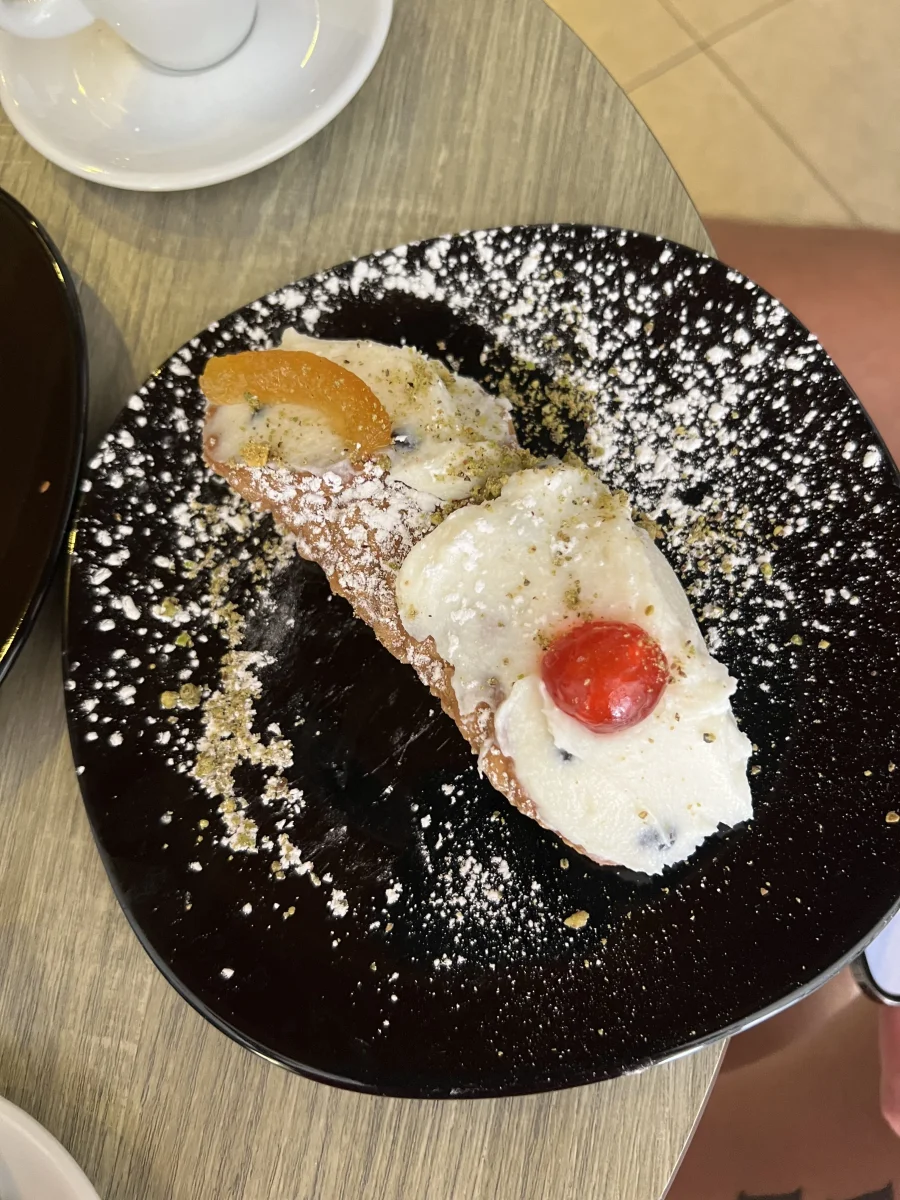
Cannoli are crisp fried pastry shells filled with sweetened ricotta, chocolate and candied orange. Making them at home lets you enjoy the contrast between the freshly fried shells and creamy filling, with a little Italian-inspired flair for sharing.
Ingredients
- 250 g (2 cups)plain flour
- 50 g (¼ cup)sugar
- 1 pinchsalt
- 57 g (¼ cup), cubed and at room temperature; do not meltbutter
- 1egg yolk
- 120 ml (½ cup)Marsala wine
- 490 g (2 cups)ricotta
- 60 ml (¼ cup)double cream
- 1 teaspoonvanilla
- 60 g (½ cup)icing sugar
- 1 teaspoonground cinnamon
- 45 g (¼ cup)chocolate chips
- 40 g (¼ cup)candied orange peel, chopped into cubes
Instructions
- 1
Sift dry ingredients
For the dough, sift the flour, sugar and salt into a bowl.
- 2
Rub in butter
Use your hands to work the butter into the dry ingredients until the mixture feels like sand.
- 3
Add the yolk
Mix in the egg yolk.
- 4
Pour in wine
Add the Marsala gradually.
- 5
Chill the dough
Wrap the dough in plastic wrap, shape it into a disc and refrigerate for 20 minutes.
- 6
Mix the filling
While the dough rests, combine the ricotta, double cream, vanilla, icing sugar and cinnamon.
- 7
Add the extras
Stir in the chocolate chips and chopped candied orange peel.
- 8
Prepare piping bag
Spoon the filling into a piping bag and set it aside until the shells have cooled.
- 9
Roll out dough
Roll the dough with a rolling pin or a pasta attachment on a KitchenAid.
- 10
Thin the dough
Continue rolling until the dough is ⅛ inch (about 3 mm) thick.
- 11
Cut circles
Cut out circles with a 3- or 4-inch (7.5- or 10-cm) biscuit cutter; the dough should make about 25 pieces.
- 12
Shape the shells
Wrap each dough disc around a cannoli mould and seal the dough with egg wash.
- 13
Flair the edges
Gently flare the edges of each cannoli away from the mould to make the shells easier to remove.
- 14
Heat the oil
Pour canola oil into a deep pot or fryer and heat it to 360°F (about 182°C).
- 15
Fry the shells
When the oil is hot, add the cannoli shells, taking care not to overcrowd the pot.
- 16
Cook until golden
Fry the dough until golden, about 2–3 minutes.
- 17
Cool the shells
Lift the shells out with tongs and leave them to cool. Repeat until all the shells are fried.
- 18
Pipe in filling
Once the shells are cool, insert the piping-bag tip into each shell and fill it.
- 19
Dust with sugar
Finish with a dusting of icing sugar and serve.
What are cannoli?
Cannoli are Sicilian pastries made from crisp, fried pastry tubes filled with sweetened ricotta. They are associated with Sicily’s pastry tradition and are often finished with chocolate, citrus or a dusting of sugar.
This version brings those familiar flavours together in a homemade shell, with Marsala in the dough and chocolate chips and candied orange in the filling. The shells are fried separately, then filled once cool so they stay crisp.
Nutrition and macros by portion
The nutrition label shows one serving as written: 180 calories, 4g protein, 20g carbs, 9g fat.
| Portion | Adjustment | kcal | Protein | Carbs | Fat |
|---|---|---|---|---|---|
| Lighter | Use less filling | 126 kcal | 3g | 14g | 6g |
| This serving | As written | 180 kcal | 4g | 20g | 9g |
| Hungry | Serve two cannoli | 270 kcal | 6g | 30g | 14g |
The flour, sugar and candied orange contribute much of the carbohydrate, while butter, cream, ricotta and the frying oil contribute most of the fat. Ricotta and the egg yolk provide most of the protein. Serve one cannolo with fresh fruit, or alongside a meal with vegetables, to balance the plate.
Building the pastry dough
Butter texture: the butter should be at room temperature but still solid, not melted. Rub it into the flour until the mixture resembles sand, which helps distribute it through the dough.
Marsala: add the wine gradually rather than all at once. The dough should come together without becoming overly wet; how much it takes can vary slightly with the flour.
Getting thin, even shells
Resting time: chilling the dough for 20 minutes gives it time to firm up before rolling. Keep it covered while it rests so the surface does not dry out.
Rolling: aim for an even thickness of about 3 mm. Circles cut with a 7.5- or 10-cm cutter should wrap around the cannoli moulds; a slightly flared edge can help with removal after frying.
Frying and checking doneness
Oil temperature: heat the canola oil to 182°C before adding the shells. Fry in batches rather than crowding the pot, which makes it easier to maintain the temperature.
Colour and timing: the recipe gives a frying time of 2–3 minutes, until the pastry is golden. Lift the shells out with tongs and let them cool before removing the moulds and filling.
Making the ricotta filling
Ricotta: combine it with the cream, vanilla, icing sugar and cinnamon for a smooth, sweet filling. The recipe does not specify draining the ricotta, so use it as directed.
Mix-ins: fold in the chocolate chips and chopped candied orange peel after combining the creamy ingredients. Transfer the filling to a piping bag so you can fill the shells neatly.
Filling and serving
Fill the shells only after they have cooled, piping into each end so the filling reaches through the centre. A final dusting of icing sugar gives them their classic finishing touch.
Cannoli are best served soon after filling, when the pastry is at its crispest. They make a sweet finish to a meal and pair well with espresso or fresh fruit.
Recipe notes & tips
- Keep the butter cool and solid rather than melting it.
- Add the Marsala gradually so you can judge how the dough is coming together.
- Roll the dough evenly so the shells fry at a similar rate.
- Fry in small batches to avoid overcrowding the pot.
- Let the shells cool fully before piping in the ricotta filling.
- Fill the cannoli close to serving time to help the shells stay crisp.
Variations
- Pistachio finish: sprinkle chopped pistachios over the filling at the open ends.
- Citrus swap: use finely chopped candied lemon peel in place of the orange peel.
- Chocolate coating: dip the ends of the cooled shells in melted chocolate and let it set before filling.
- Cinnamon-forward: add a little extra cinnamon to the ricotta mixture if you want a warmer spice note.
- Plain filling: leave out the chocolate chips and orange peel for a simpler ricotta centre.
Common mistakes to avoid
- Melting the butter: use it cubed and at room temperature so it can be rubbed into the flour.
- Adding wine too quickly: pour it in gradually and stop once the dough comes together.
- Rolling too thick: aim for about 3 mm so the shells can cook through and become crisp.
- Crowding the pot: fry fewer shells at a time so they have room in the oil.
- Filling warm shells: wait until they are cool so the filling does not soften the pastry.
- Filling too early: pipe the cannoli near serving time to preserve the shell's crisp texture.
How to store
Keep unfilled shells in an airtight container at room temperature and refrigerate the ricotta filling in a covered container for up to 2 days. For the best texture, fill the shells just before serving; filled cannoli can be refrigerated, but the shells will soften. These fried shells are best eaten fresh rather than reheated.
Frequently asked questions
Can I make the shells ahead?
Yes. Cool them fully and keep them in an airtight container at room temperature. Make the filling separately and pipe it in close to serving.
Can I make the filling ahead?
Yes. Keep it covered in the fridge and transfer it to a piping bag when you are ready to fill the cooled shells.
How thin should I roll the dough?
The recipe calls for ⅛ inch, or about 3 mm. Try to keep the thickness even across the sheet.
How do I know when the shells are done?
Fry them for about 2–3 minutes, until golden, then remove them with tongs. Frying time can vary, so use the colour as your main cue.
Why should I wait to fill the shells?
The ricotta filling softens the pastry over time. Filling the cooled shells just before serving helps keep them crisp.
Cook it from the original
This recipe comes from appetitomagazine.com. Their page has the author’s own photos, notes and tips — the best place to cook it from.
Open the recipe on appetitomagazine.com