
Ricotta and spinach ravioli
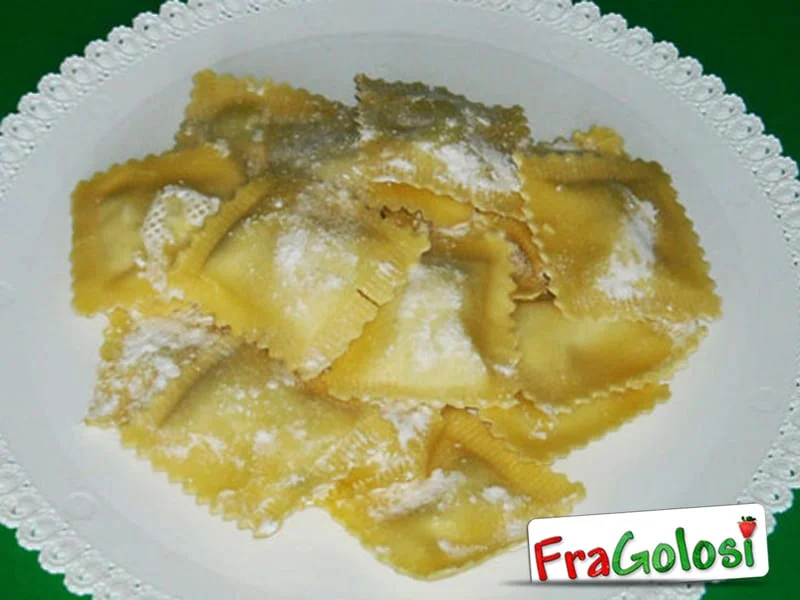
These homemade ravioli pair fresh egg pasta with a filling of ricotta, spinach and Parmesan. They take a little hands-on shaping, but make a satisfying Italian meal to share.
Ingredients
- 300 gplain flour
- 3eggs
- 15 ml (1 tablespoon)oil
- to tastesalt
- 5 cubesfrozen spinach
- 40 gbutter
- 500 gricotta
- 50 ggrated Parmesan
- to tastenutmeg
- 1egg
- to tastesalt
Instructions
- 1
Cook the spinach
Boil the frozen spinach in very little salted water. Drain it thoroughly, chop it and sauté it in the butter, then leave it to cool.
- 2
Mash the ricotta
Put the well-drained ricotta in a bowl and mash it with a fork.
- 3
Mix the filling
Add the spinach, Parmesan, nutmeg and a pinch of salt. Mix in one whole egg until everything is well combined.
- 4
Chill the filling
Leave the filling to rest in the fridge. Then start preparing the pasta by piling the flour into a mound with a well in the middle.
- 5
Start the dough
Add a pinch of salt to the flour and pour the previously beaten eggs into the well. Draw in the flour first with a fork, then with your hands.
- 6
Knead the dough
Knead for about 10 minutes, until the dough is firm and elastic.
- 7
Rest and roll
Shape the dough into a ball, wrap it in cling film and leave it to rest for 30 minutes. Dust the work surface with flour, then roll out the dough with a rolling pin.
- 8
Add the filling
Cut the pasta into strips 4 cm wide. Place small portions of the ricotta and spinach filling along each strip, spacing them 4 cm apart.
- 9
Seal the ravioli
Lay another strip of pasta over the filling. Press firmly around each mound to seal the pasta and push out any trapped air.
- 10
Cut and dry
Use a fluted pastry wheel or a knife to cut the pasta into equal-sized squares. Arrange the ravioli on a floured tea towel and leave them to dry.
What are ricotta and spinach ravioli?
Ravioli are filled pasta parcels associated with Italian cooking, with regional versions shaped and filled in many different ways. This version brings together a simple egg pasta dough and a soft ricotta and spinach filling.
The filling is cooked and cooled before it is mixed, while chilling it gives you time to make the pasta. Sealing the parcels carefully helps keep the filling inside when they are handled.
Nutrition and macros by portion
The nutrition label shows one serving as written: 410 calories, 22g protein, 39g carbs, 18g fat.
| Portion | Adjustment | kcal | Protein | Carbs | Fat |
|---|---|---|---|---|---|
| Lighter | Smaller ravioli portion | 287 kcal | 15g | 27g | 13g |
| This serving | As written | 410 kcal | 22g | 39g | 18g |
| Hungry | Larger ravioli portion | 615 kcal | 33g | 59g | 27g |
The flour and pasta eggs provide most of the carbohydrates, while ricotta, Parmesan, butter and eggs contribute much of the fat and protein. Serve a measured portion with vegetables or salad for a more balanced plate.
The filling ingredients
Spinach: cooking it in very little water and draining it well helps avoid a watery filling. Chopping it finely makes it easier to spread in small portions.
Ricotta: drain it thoroughly before mashing so the mixture is not loose. Parmesan, nutmeg and a little salt give the mild cheese and spinach a savoury finish.
Making the pasta dough
The beaten eggs go into a well in the flour, and the flour is gradually worked in before kneading. The recipe calls for about 10 minutes of kneading, until the dough feels firm and elastic.
Resting the wrapped dough for 30 minutes gives it time to relax before rolling. Dust the work surface with flour as directed so the dough is easier to handle.
Sealing the ravioli
Keep the filling portions 4 cm apart along the strips, then cover them with another strip of pasta. Press around each mound to join the layers and squeeze out air, taking care not to press directly through the filling.
A fluted pastry wheel gives the edges a decorative finish; a knife works too. Cut equal-sized squares so the ravioli are consistent in shape.
Texture and timing cues
The spinach should be cool before it is combined with the ricotta and egg. The finished filling should be mixed evenly, without large clumps of spinach.
The dough is ready to rest when it is firm and elastic after kneading. After shaping, the recipe says to leave the ravioli on a floured tea towel to dry; it does not give a drying time or cooking instructions.
Serving the ravioli
These ravioli can be the centre of a meal, with a simple vegetable side or salad alongside. Keep any accompaniment uncomplicated so the ricotta, spinach and Parmesan filling remains the focus.
The provided method ends after the ravioli have been shaped and left to dry. It does not specify a sauce or how to cook them, so follow a trusted ravioli cooking method separately.
Recipe notes & tips
- Drain the ricotta well before using it so the filling stays firm.
- Squeeze or drain excess water from the cooked spinach before chopping.
- Let the spinach cool before mixing it with the ricotta and egg.
- Keep the remaining dough covered while you work on each strip.
- Press around each mound to seal the pasta and release trapped air.
- Set the shaped ravioli on a floured tea towel to help prevent sticking.
Variations
- More nutmeg: add a little extra to bring out its warm aroma in the filling.
- Herb accent: mix finely chopped fresh herbs into the ricotta and spinach.
- Different cheese: replace some of the Parmesan with another finely grated hard cheese.
- Smaller parcels: make the filling portions smaller and cut correspondingly smaller squares.
- Fluted edges: use a pastry wheel for a decorative edge instead of a knife.
Common mistakes to avoid
- Wet spinach: drain it thoroughly before chopping so it does not loosen the filling.
- Loose ricotta: let it drain well before mashing to keep the mixture manageable.
- Warm filling: cool the spinach before combining it with the ricotta and egg.
- Trapped air: press firmly around each filling mound before cutting the parcels.
- Uncovered dough: keep dough you are not rolling wrapped so it does not dry out.
- Uneven parcels: space the filling consistently and cut equal-sized squares.
How to store
The recipe does not give storage guidance. For best results, cook the ravioli soon after shaping; if you need to hold them, keep them covered and refrigerated and follow a reliable fresh-pasta storage method.
Frequently asked questions
Can I use fresh spinach instead of frozen?
The recipe specifies five cubes of frozen spinach. If substituting fresh spinach, cook it down and drain it well before chopping, but the amount is not specified here.
Why does the ricotta need to be drained?
Excess moisture can make the filling loose and harder to seal inside the pasta. Drain it well before mashing.
How long should the pasta dough rest?
Wrap it in cling film and rest it for 30 minutes, as directed.
How far apart should I place the filling?
The recipe calls for portions spaced 4 cm apart along pasta strips that are also 4 cm wide.
Can I make the ravioli without a fluted pastry wheel?
Yes. The method allows you to use a knife instead.
How long should the shaped ravioli dry?
The recipe says to leave them on a floured tea towel to dry but does not specify a duration.
Cook it from the original
This recipe comes from fragolosi.it. Their page has the author’s own photos, notes and tips — the best place to cook it from.
Open the recipe on fragolosi.it