
Five-cheese lasagne
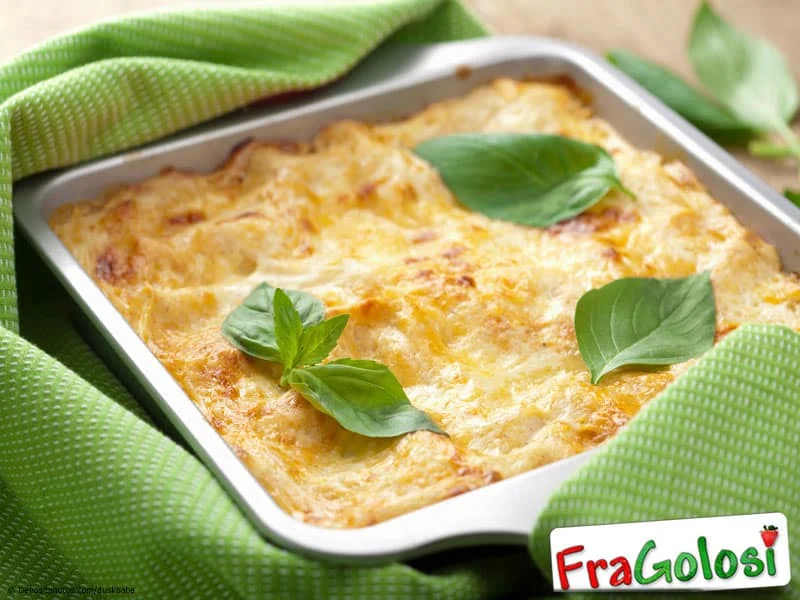
This five-cheese lasagne layers fresh pasta with mozzarella, Emmental, provolone, Fontina and Parmesan, then bakes until the cheeses are melted. It makes a rich, hearty Italian-style meal from a short list of ingredients.
Ingredients
- 350 gfresh lasagne sheets
- 100 gmozzarella
- 100 gEmmental
- 100 gprovolone
- 100 gFontina
- 100 ggrated Parmesan
- to tastechopped parsley
- to tastebutter
- to tastesalt
- to tasteblack pepper
Instructions
- 1
Boil the pasta
Cook the lasagne sheets a few at a time in plenty of boiling salted water with 15 ml (1 tablespoon) of oil added.
- 2
Cool the sheets
Drain the sheets while still al dente, cool them under running water and lay them on a damp cloth without overlapping.
- 3
Heat the oven
Preheat the oven to 180°C.
- 4
Dice the cheeses
Cut the mozzarella, Emmental, Fontina and provolone into small cubes.
- 5
Prepare the dish
Grease an ovenproof dish with butter and arrange a layer of lasagne sheets across the bottom.
- 6
Add the toppings
Cover the pasta with slices of cheese, then finish with grated Parmesan and a scattering of chopped parsley.
- 7
Build the layers
Continue layering the lasagne, cheeses, Parmesan and parsley until all the ingredients are used.
- 8
Bake the lasagne
Bake at 180°C for 30 minutes.
What is five-cheese lasagne?
Lasagne is an Italian baked pasta dish made by layering sheets with fillings. This version focuses on a combination of five cheeses rather than a meat or tomato sauce.
The mix of mozzarella, Emmental, provolone, Fontina and Parmesan brings different flavours and melting qualities. Chopped parsley adds a fresh herbal note between the layers.
Nutrition and macros by portion
The nutrition label shows one serving as written: 650 calories, 35g protein, 48g carbs, 34g fat.
| Portion | Adjustment | kcal | Protein | Carbs | Fat |
|---|---|---|---|---|---|
| Lighter | Smaller portion, add salad | 455 kcal | 25g | 34g | 24g |
| This serving | As written | 650 kcal | 35g | 48g | 34g |
| Hungry | Larger lasagne portion | 975 kcal | 53g | 72g | 51g |
Most of the carbohydrates come from the fresh lasagne sheets, while the cheeses and butter contribute much of the fat and saturated fat. The cheeses also provide most of the protein. Serve a portion with salad or vegetables for a more balanced plate.
Choosing the cheeses
Melting cheeses: mozzarella, Emmental, provolone and Fontina are cut into cubes for the layers. Keep the pieces fairly small so they distribute across the pasta.
Finishing cheese: grated Parmesan is sprinkled over the layers with parsley. Its fine texture makes it easy to spread evenly.
Handling fresh pasta
Cook in batches: adding only a few sheets at a time helps keep them from sticking together in the boiling water. The salted water is also given a tablespoon of oil in the recipe.
Cool and separate: drain the sheets while al dente, rinse them under running water and lay them out on a damp cloth without overlapping. This keeps them ready for layering.
Layering the lasagne
Start with pasta: butter the ovenproof dish and cover its base with a layer of sheets. Add the cheeses, Parmesan and parsley, then repeat until the ingredients are used.
Spread the toppings across each layer as evenly as you can, so the baked portions contain a mixture of the cheeses. The method calls for cheese slices in the layers after the cheeses have been diced.
Baking and doneness
Bake at 180°C for 30 minutes, as specified. The lasagne is ready when the cheese has melted and the layers are hot throughout.
If the top is browning quickly, keep an eye on it during baking; the recipe does not specify covering the dish or changing the oven temperature.
Serving ideas
Let the lasagne settle briefly after baking so it is easier to portion. Serve it with a crisp green salad or simply dressed vegetables to balance the richness.
Because the dish is cheese-heavy, modest portions alongside something fresh make a satisfying meal without adding another rich component.
Recipe notes & tips
- Cook the fresh sheets in small batches to help prevent them sticking together.
- Lay the cooled sheets separately on a damp cloth rather than stacking them.
- Cut the four melting cheeses into similarly sized cubes for more even distribution.
- Butter the ovenproof dish before adding the first pasta layer.
- Spread the Parmesan and parsley across the layers rather than piling them in one spot.
- Keep the oven at 180°C and bake for the stated 30 minutes.
Variations
- Herb change: use a different chopped fresh herb in place of the parsley.
- Cheese balance: adjust the proportions of the five cheeses while keeping the same total amount.
- Pepper finish: add a little extra black pepper between the layers for more bite.
- Vegetable side: serve with roasted or steamed vegetables alongside the lasagne.
- Individual portions: assemble the layers in smaller ovenproof dishes and bake until hot and melted.
Common mistakes to avoid
- Cooking too many sheets together: they can stick; boil them a few at a time.
- Overcooking the pasta: it continues baking in the dish; drain the sheets while still al dente.
- Stacking wet sheets: they may cling together; lay them separately on a damp cloth.
- Skipping the butter: the lasagne may stick to the dish; grease it before layering.
- Uneven cheese pieces: some bites may lack cheese; cut the cheeses into small, similar-sized cubes.
- Guessing the baking time: the recipe specifies 30 minutes; bake at 180°C and check that the layers are hot.
How to store
Refrigerate leftovers in a covered container and eat within 3 days. Reheat in an ovenproof dish at 180°C until hot throughout, or microwave individual portions until steaming.
Frequently asked questions
Can I use dried lasagne sheets?
The recipe specifies fresh lasagne sheets and gives instructions for boiling and cooling them. Dried sheets may require different preparation, so follow their packet directions if substituting.
Why cook the sheets a few at a time?
The method uses small batches to help stop the sheets sticking together. Keep them separate as they cool, too.
How long does this lasagne bake?
Bake it for 30 minutes at 180°C.
Can I prepare it ahead?
You can assemble the layers ahead and keep the dish covered in the fridge. Bake until hot throughout; allow extra time if it goes into the oven cold.
Can I freeze leftovers?
Yes, freeze cooled portions in airtight containers. Defrost them in the fridge before reheating until hot throughout.
What should I serve with five-cheese lasagne?
A green salad or simply prepared vegetables are good accompaniments to its rich, cheesy layers.
Cook it from the original
This recipe comes from fragolosi.it. Their page has the author’s own photos, notes and tips — the best place to cook it from.
Open the recipe on fragolosi.it