
Vegetable minestrone
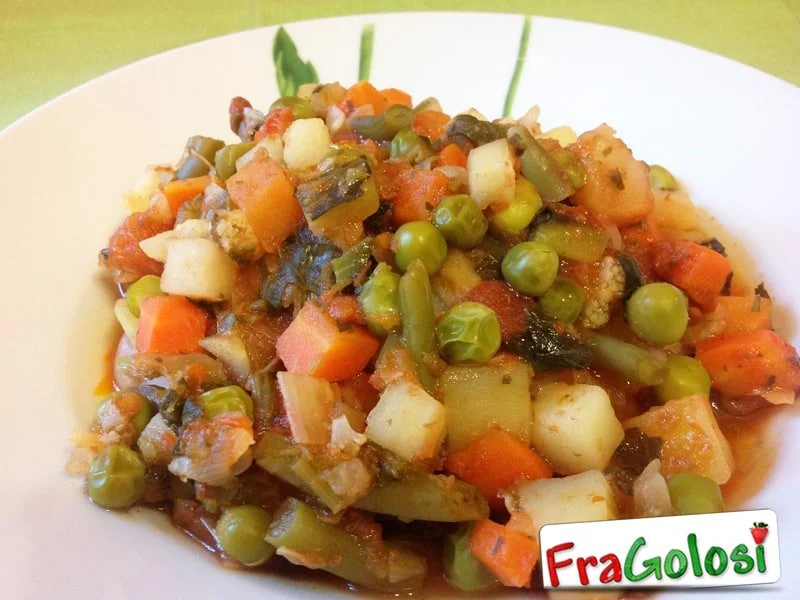
This Italian vegetable minestrone is made by simmering chopped vegetables until tender, then optionally blending them for a smoother bowl. Butter and grated Parmesan finish the soup with a little richness and savoury flavour.
Ingredients
- 2carrots
- 2courgettes
- 2potatoes
- to tastecelery
- to tastelettuce
- to tasteescarole
- to tastespinach
- 1onion
- 3tomatoes
- 1 piecered pumpkin
- 1 knobbutter
- 2 tablespoonsgrated Parmesan
- to tastesalt
Instructions
- 1
Add the vegetables
Clean and cut the carrots, courgettes, potatoes, celery, lettuce, escarole, spinach, onion, tomatoes and red pumpkin into small pieces. Add them to boiling water.
- 2
Cook and blend
Cook the vegetables until tender. Pour off any excess water, then blend the soup if you prefer a smoother texture.
- 3
Finish the soup
Return the minestrone to the heat and stir in a knob of butter and the grated Parmesan.
- 4
Serve in bowls
Ladle the vegetable minestrone into bowls and serve.
What is vegetable minestrone?
Minestrone is an Italian vegetable soup whose ingredients can vary with the season and what is available. This version brings together root vegetables, leafy greens, courgettes and tomatoes in a simple broth.
The vegetables are cooked together, and blending is optional, so you can choose between a chunky soup and a smoother one. Butter and Parmesan are stirred in at the end for a richer finish.
Nutrition and macros by portion
The nutrition label shows one serving as written: 190 calories, 7g protein, 34g carbs, 5g fat.
| Portion | Adjustment | kcal | Protein | Carbs | Fat |
|---|---|---|---|---|---|
| Lighter | Use less butter and Parmesan | 133 kcal | 5g | 24g | 4g |
| This serving | As written | 190 kcal | 7g | 34g | 5g |
| Hungry | Serve a larger bowl | 285 kcal | 11g | 51g | 8g |
Potatoes and the other vegetables provide most of the carbohydrates, while butter contributes fat and Parmesan adds some fat and protein. The leafy greens and other vegetables contribute fibre; serve a moderate bowl with bread or another protein-rich accompaniment if you want a more substantial meal.
Choosing the vegetables
Firm vegetables: cut the carrots, potatoes and pumpkin into small, similarly sized pieces so they cook at a comparable rate.
Leafy greens: lettuce, escarole and spinach soften more quickly than the root vegetables. Keep the pieces manageable and check their texture as the soup cooks.
Getting the texture right
Cutting: small pieces make the soup easier to eat and help the different vegetables cook through together.
Blending: drain excess water before blending, as the recipe directs. For a chunkier bowl, skip blending; for a smoother finish, blend until it reaches the texture you like.
Cooking and seasoning
Tenderness: cook until the potatoes and carrots are soft enough to pierce easily. The method gives no fixed cooking time, so use the vegetables as your guide.
Salt: season to taste, remembering that Parmesan adds a savoury, salty note when stirred in at the end.
Finishing with butter and Parmesan
Butter: stir it into the hot soup after cooking to give the vegetables a rounded finish.
Parmesan: add the grated cheese with the butter, then stir until incorporated. Keeping both additions until the end preserves their role as finishing ingredients.
How to serve it
Serve the minestrone hot in bowls as directed. Its mix of vegetables makes it a straightforward lunch or first course.
For a more filling meal, serve it alongside bread. If you want to keep the soup itself as written, avoid adding ingredients to the pot that are not part of the recipe.
Recipe notes & tips
- Cut the vegetables into small pieces before adding them to the boiling water.
- Keep the pieces reasonably even so they cook at a similar pace.
- Check the potatoes and carrots for tenderness before draining excess water.
- Drain carefully, keeping enough cooking liquid for the consistency you want.
- Blend only if you prefer a smoother soup.
- Taste before adding salt, as the Parmesan is also savoury.
Variations
- Chunky texture: leave the cooked vegetables unblended for a more rustic bowl.
- Smooth texture: blend the vegetables after draining excess water.
- Seasonal greens: adjust the mix of lettuce, escarole and spinach to suit what you have.
- More Parmesan: add a little extra grated cheese at the table for a stronger savoury finish.
- Less richness: reduce the butter or Parmesan stirred in at the end.
Common mistakes to avoid
- Uneven pieces: large chunks may take longer to soften; cut the vegetables into small, similar-sized pieces.
- Overcooking the greens: they can lose their texture; check the vegetables as they cook and stop when tender.
- Too much cooking water: the soup can turn thin; pour off excess water before blending or finishing.
- Blending without draining: the result may be too loose; remove excess liquid first.
- Salting too early: Parmesan adds saltiness at the finish; taste the soup before adjusting the seasoning.
How to store
Cool leftovers promptly, transfer them to a covered container and refrigerate for up to 3 days. Reheat gently in a saucepan until piping hot, stirring occasionally; add a splash of water if the soup has thickened.
Frequently asked questions
Do I have to blend the minestrone?
No. Blending is optional in the recipe. Leave it unblended for a chunkier texture or blend it for a smoother soup.
How do I know when the vegetables are cooked?
The potatoes and carrots should be tender when pierced. The method does not specify a cooking time, so check them as the soup cooks.
How much celery and leafy greens should I use?
The recipe does not give quantities for the celery, lettuce, escarole or spinach. Add them to taste, keeping the overall balance of vegetables you prefer.
Can I make the soup thicker?
Drain off the excess cooking water before serving or blending. For a thicker texture, blend some or all of the cooked vegetables.
Can I freeze the leftovers?
Yes, you can freeze the cooled soup in a suitable airtight container. The texture of the vegetables may soften after thawing; defrost in the fridge and reheat thoroughly.
Cook it from the original
This recipe comes from fragolosi.it. Their page has the author’s own photos, notes and tips — the best place to cook it from.
Open the recipe on fragolosi.it