
Slow-Roasted Garlic-Honey Mustard Confit Lamb Shoulder
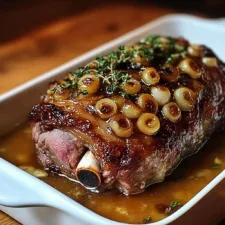
This slow-roasted lamb shoulder is coated with a sweet, savoury mixture of garlic, wholegrain mustard and Dijon mustard. A long, covered roast makes it tender enough to slice and gives the flavours time to settle in, making it a generous centrepiece for a shared meal.
Ingredients
- 1 whole (1.8–2.3 kg; 4–5 lb)lamb shoulder
- 8 clovesgarlic, peeled and smashed
- 45 ml (3 tbsp)wholegrain mustard
- 30 ml (2 tbsp)Dijon mustard
- 30 ml (2 tbsp)honey
- to tastefresh parsley, for garnish
Instructions
- 1
Preheat the oven
Heat the oven to 150°C (300°F).
- 2
Mix the marinade
In a bowl, stir together the wholegrain mustard, Dijon mustard and honey, then fold in the smashed garlic.
- 3
Coat the lamb
Rub the mixture generously over the lamb shoulder and set it in a large roasting pan.
- 4
Roast until tender
Cover the pan with aluminium foil and roast for 4–5 hours, until the lamb is tender.
- 5
Rest and garnish
Leave the lamb to rest for 15–20 minutes before slicing. Garnish with fresh parsley.
What is garlic-honey mustard lamb shoulder?
Lamb shoulder is a substantial cut suited to slow cooking, which gives its connective tissue time to soften. This American-style version pairs it with a simple mustard, honey and garlic coating.
The method is deliberately straightforward: cover the lamb for a long roast, then rest it before slicing. The coating brings sweet, sharp and savoury notes to the rich meat.
Nutrition and macros by portion
The nutrition label shows one serving as written: 400 calories, 35g protein, 12g carbs, 25g fat.
| Portion | Adjustment | kcal | Protein | Carbs | Fat |
|---|---|---|---|---|---|
| Lighter | More vegetables, less lamb | 280 kcal | 25g | 8g | 18g |
| This serving | As written | 400 kcal | 35g | 12g | 25g |
| Hungry | Larger lamb portion | 600 kcal | 53g | 18g | 38g |
The lamb supplies most of the protein and fat, while the honey contributes most of the carbohydrates. Serve a moderate slice with vegetables and a portion of potatoes or another starch to make a balanced plate.
The mustard and honey coating
Wholegrain mustard: its seeds give the coating texture and a gentle bite. Dijon adds a smoother, sharper mustard flavour.
Honey: it softens the mustard's sharpness and helps the surface develop colour during roasting. Stir it thoroughly into the mustard before adding the garlic.
Preparing the garlic
Smashed cloves release their flavour into the coating without needing to be finely chopped. Fold them in after mixing the mustard and honey so they are distributed across the lamb.
Rub the mixture over the shoulder generously, including around its contours. Use the roasting pan to catch any coating that slips off.
Slow roasting and doneness
Covered roasting: the foil helps keep the lamb from drying out during its long time in the oven. The recipe gives a 4–5 hour window, so begin checking towards the earlier end.
Tenderness: the stated cue is meat that is tender, rather than a specific internal temperature. If it still feels firm when tested, continue roasting until it softens.
Resting before slicing
Rest the lamb for 15–20 minutes after roasting, as directed. This gives you time to prepare the table and lets the meat settle before you slice it.
Slice across the grain where it is visible, and serve with some of the pan juices if desired. Finish with fresh parsley for a fresh, herbal contrast.
What to serve with it
Roasted or mashed potatoes make a natural partner for the lamb and its savoury juices. A green vegetable, such as green beans or cabbage, adds colour and a lighter contrast.
For a shared meal, bring the lamb to the table whole and slice it just before serving. Keep accompaniments simple so the garlic and mustard remain prominent.
Recipe notes & tips
- Choose a roasting pan large enough to hold the whole shoulder without crowding it.
- Mix the coating until the honey is evenly dispersed through both mustards.
- Cover the pan snugly with foil before putting it in the oven.
- Start checking for tenderness at the 4-hour mark.
- Allow the full 15–20 minutes of resting time before slicing.
- Add the parsley just before serving so it stays fresh in appearance.
Variations
- Herb finish: add chopped rosemary or thyme to the coating for an extra herbal note.
- Sharper mustard: increase the Dijon slightly and reduce the wholegrain mustard to suit a punchier flavour.
- Extra garlic: add a few more smashed cloves if you want the garlic to stand out more.
- Citrus note: serve with lemon wedges for a bright contrast at the table.
- Spiced coating: stir a little smoked paprika into the mustard mixture for a warmer flavour.
Common mistakes to avoid
- Loose foil: a poorly covered pan can let moisture escape; seal the foil around the rim.
- Rushing the roast: shoulder may remain firm if it has not cooked long enough; continue until tender.
- Skipping the rest: slicing straight away can make serving messier; wait 15–20 minutes.
- Uneven coating: patches can be left under-seasoned; rub the mixture over the whole surface.
- Slicing too thickly: thick slices can be harder to serve neatly; cut portions to a manageable thickness.
How to store
Refrigerate leftover lamb in an airtight container within 2 hours and use within 3–4 days. Reheat gently in a covered dish with a little pan juice or water until piping hot.
Frequently asked questions
Can I make the mustard coating ahead?
Yes. Mix the mustards, honey and smashed garlic ahead and refrigerate the mixture in a covered container. Rub it over the lamb before roasting.
How do I know when the lamb is tender?
The recipe's cue is tenderness after 4–5 hours of covered roasting. If the meat still feels firm, roast it longer and check again.
Can I use a smaller lamb shoulder?
Yes, but a smaller shoulder may need less time. Check it for tenderness before the 4-hour point rather than assuming the full roasting time applies.
Should I remove the foil during cooking?
The method calls for covering the lamb for the roast. Keep it covered while it cooks as directed.
Can I prepare the lamb the day before?
You can coat the lamb ahead and keep it covered in the refrigerator. Allow time to take the chill off while the oven preheats, then roast as directed.
What goes well with this lamb?
Serve it with potatoes and a green vegetable, or choose other simple sides that pair well with rich meat and a sweet, sharp coating.
Cook it from the original
This recipe comes from bazarecipe.com. Their page has the author’s own photos, notes and tips — the best place to cook it from.
Open the recipe on bazarecipe.com