
Classic Pound Cake
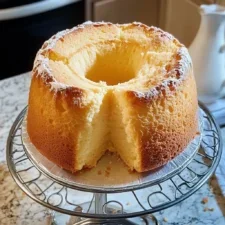
This American-style pound cake is a rich, buttery loaf with a fine crumb and a simple ingredient list. Serve it plain with tea or coffee, or add fruit, cream or chocolate sauce for a more dressed-up dessert.
Ingredients
- 454 g (1 pound; 2 cups)unsalted butter, softened
- 600 g (3 cups)granulated sugar
- 6 largeeggs, at room temperature
- 375 g (3 cups)plain flour
- 5 g (1 teaspoon)salt
Instructions
- 1
Prepare the oven
Heat the oven to 160°C (325°F). Grease and flour a loaf tin.
- 2
Cream butter and sugar
Beat the softened butter and sugar together in a mixing bowl for about 5–7 minutes, until the mixture is light and fluffy.
- 3
Add the eggs
Mix in the eggs one at a time, beating well after each addition.
- 4
Mix in the flour
In a separate bowl, sift together the flour and salt. Gradually add them to the creamed mixture on a low speed, mixing just until combined.
- 5
Fill the tin
Transfer the batter to the prepared loaf tin and smooth the top with a spatula.
- 6
Bake the cake
Bake for 60–70 minutes, or until a toothpick inserted in the centre comes out clean.
- 7
Cool the cake
Leave the cake in the tin for 10 minutes, then turn it out onto a wire rack and let it cool completely.
What is pound cake?
Pound cake is a rich cake traditionally associated with a simple formula of butter, sugar, eggs and flour in equal weights. This American-style version uses a loaf tin and a measured amount of salt, giving it a straightforward shape and flavour.
Here, creaming the butter and sugar thoroughly helps give the cake a light, even crumb, while adding the eggs gradually helps the mixture come together.
Nutrition and macros by portion
The nutrition label shows one serving as written: 380 calories, 4g protein, 40g carbs, 22g fat.
| Portion | Adjustment | kcal | Protein | Carbs | Fat |
|---|---|---|---|---|---|
| Lighter | Smaller cake slice | 266 kcal | 3g | 28g | 15g |
| This serving | As written | 380 kcal | 4g | 40g | 22g |
| Hungry | Larger cake slice | 570 kcal | 6g | 60g | 33g |
The flour and sugar provide most of the carbohydrates, while the butter contributes much of the fat and the eggs provide some protein. Pair a slice with fresh fruit, or serve a smaller slice alongside a lighter meal.
Why the ingredients matter
Butter: Use it softened, not melted, so it can be beaten with the sugar into a pale, airy mixture.
Eggs: Room-temperature eggs are easier to incorporate smoothly. Add them one by one, as directed, rather than all at once.
Flour and salt: Sifting them together distributes the salt and helps avoid pockets of flour in the batter.
Get the creaming right
Cream the butter and sugar for the full 5–7 minutes, until visibly lighter and fluffy. This is the main step that adds air to the batter.
Scrape down the bowl if needed so the mixture is beaten evenly. Once the flour goes in, mix only until combined to avoid working the batter more than necessary.
Check for doneness
The cake needs 60–70 minutes in a 160°C oven. Start checking towards the earlier end of that range, as ovens and loaf tins can vary.
A toothpick inserted into the centre should come out clean. If it has wet batter on it, return the cake to the oven and check again after a short interval.
Cool before slicing
Leave the cake in its tin for 10 minutes so it can settle before you turn it out. Then cool it completely on a wire rack.
Slicing while warm can make the crumb seem fragile or gummy. Once cool, use a serrated knife and a gentle sawing motion for neat slices.
Ways to serve it
Plain slices are a good match for tea or coffee, and the buttery cake also works well with fresh fruit or whipped cream.
For a more dessert-like serving, add a drizzle of chocolate sauce. Keep toppings separate until serving if you want to store the cake for later.
Recipe notes & tips
- Bring the butter and eggs to room temperature before mixing.
- Measure the flour accurately and avoid packing it into the measuring cup.
- Beat the butter and sugar until light and fluffy, allowing the full 5–7 minutes.
- Add each egg separately and mix well before adding the next.
- Stop mixing as soon as the flour is incorporated.
- Grease and flour the loaf tin carefully so the cooled cake releases more easily.
Variations
- Citrus zest: Add finely grated lemon or orange zest to the butter and sugar while creaming.
- Berry topping: Serve slices with fresh berries for a fruity contrast.
- Chocolate finish: Drizzle cooled slices with chocolate sauce just before serving.
- Whipped cream: Add a spoonful of whipped cream when serving the cake as dessert.
Common mistakes to avoid
- Butter too cold: Let it soften until it can be pressed easily, so it creams properly with the sugar.
- Eggs added all at once: Add them one at a time and mix between additions to help the batter stay smooth.
- Overmixing the flour: Use low speed and stop as soon as the flour is combined.
- Opening the oven too early: Avoid checking before the cake has had time to bake and set.
- Turning out too soon: Leave the cake in the tin for 10 minutes before transferring it to the rack.
How to store
Once completely cool, store the cake in an airtight container at room temperature for up to 3 days. Rewarm individual slices briefly if you prefer them slightly warm.
Frequently asked questions
Can I use a different tin?
The recipe is written for a loaf tin. A different-sized tin may change the baking time, so check for doneness with a toothpick rather than relying only on the clock.
Why did my batter look curdled after adding the eggs?
This can happen if the eggs are cold or added too quickly. Room-temperature eggs and gradual additions help the mixture stay more cohesive.
How do I know when the cake is baked?
Insert a toothpick into the centre; it should come out clean. If it shows wet batter, bake for longer and check again.
Can I serve it without a topping?
Yes. The cake is rich and buttery enough to serve plain, with tea or coffee.
Should I remove it from the tin while hot?
No. Leave it in the tin for 10 minutes first, then transfer it to a wire rack to cool completely.
Cook it from the original
This recipe comes from bazarecipe.com. Their page has the author’s own photos, notes and tips — the best place to cook it from.
Open the recipe on bazarecipe.com