
Slow-Roasted Lamb Shoulder with Roasted Garlic, Caramelized Onions & Honey Herb Glaze
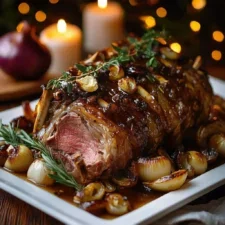
Slow-roasted bone-in lamb shoulder is seasoned with fresh herbs and garlic, then served with caramelised onions and a honey herb glaze. It makes a generous centrepiece for a family meal or festive gathering, with most of the cooking time spent in the oven.
Ingredients
- 1 large (about 2.27 kg / 5 lb)bone-in lamb shoulder
- 6 cloves, halvedgarlic
- 2 tablespoonsfresh rosemary, chopped
- 2 tablespoonsfresh thyme, chopped
- 2 tablespoonsfresh oregano, chopped
- 1 tablespooncoarse sea salt
- 1 teaspoonblack pepper
- 2 tablespoonsolive oil, for caramelising onions
- 2 largeonions, thinly sliced
- to tastehoney herb glaze
Instructions
- 1
Preheat the oven
Heat the oven to 165°C (325°F).
- 2
Season the lamb
Pat the lamb shoulder dry, then season it generously with the salt and pepper.
- 3
Add herbs and garlic
Rub the chopped herbs over the lamb and put the halved garlic cloves in a roasting pan.
- 4
Cover the lamb
Place the lamb on top of the garlic and cover the pan with foil.
- 5
Roast until tender
Roast for about 4 hours, removing the foil for the final hour so the lamb can brown.
- 6
Caramelise the onions
Meanwhile, sauté the sliced onions in the olive oil for about 30 minutes, until caramelised.
- 7
Rest and serve
Leave the lamb to rest for 15 minutes before carving. Serve it with the onions and honey herb glaze.
What is slow-roasted lamb shoulder?
Lamb shoulder is a richly flavoured cut suited to slow roasting, a method used across many Mediterranean-style kitchens for tender, shareable meat. This version pairs it with rosemary, thyme, oregano and garlic, then finishes the serving with caramelised onions and a honey herb glaze.
The covered roast helps the meat cook gently, while uncovering it for the final hour gives the outside a chance to brown.
Nutrition and macros by portion
The nutrition label shows one serving as written: 380 calories, 31g protein, 9g carbs, 26g fat.
| Portion | Adjustment | kcal | Protein | Carbs | Fat |
|---|---|---|---|---|---|
| Lighter | More vegetables, less lamb | 266 kcal | 22g | 6g | 18g |
| This serving | As written | 380 kcal | 31g | 9g | 26g |
| Hungry | Larger lamb portion | 570 kcal | 47g | 14g | 39g |
The lamb provides most of the protein and fat, while the onions and honey herb glaze contribute some of the carbohydrates. Serve it with a generous portion of vegetables or salad to add freshness and balance the plate.
The herbs and aromatics
Fresh herbs: Rosemary, thyme and oregano bring distinct savoury notes to the lamb; chop them so they are easy to rub over the surface.
Garlic: Halved cloves sit underneath the joint in the roasting pan, where they share their aroma with the meat as it cooks.
Onions: Thin slices cook in olive oil until soft and caramelised, adding a sweet, savoury accompaniment.
Getting the roast right
Dry surface: Patting the lamb dry before seasoning helps the salt, pepper and herbs cling to the meat.
Covered cooking: Keep the foil over the pan for most of the roasting time, then remove it during the last hour as directed for browning.
Doneness: The recipe’s cue is tender meat after about 4 hours; check that it is tender before taking it from the oven.
Caramelising the onions
Steady heat: Sauté the onions in the olive oil for about 30 minutes, allowing them time to soften and caramelise.
Watch the pan: Stir as needed so the slices cook evenly and do not catch while the lamb is in the oven.
Resting and carving
Resting: Leave the roasted lamb for 15 minutes before carving, as the recipe directs. This also gives you time to arrange the onions and glaze for serving.
Serving: Bring the lamb to the table with the caramelised onions and honey herb glaze, then carve it into portions.
What to serve alongside
A green vegetable or a crisp salad can bring freshness alongside the rich lamb and sweet onions. For a more substantial meal, add potatoes or crusty bread to make the most of the juices and glaze.
Recipe notes & tips
- Pat the lamb dry before adding its seasoning and herbs.
- Keep the garlic cloves in the pan beneath the lamb as it roasts.
- Allow about 30 minutes for the onions to caramelise while the lamb cooks.
- Remove the foil only during the final hour of roasting, as directed.
- Rest the lamb for 15 minutes before carving.
Variations
- Use dried herbs: Substitute dried rosemary, thyme and oregano if fresh herbs are unavailable.
- Add lemon: Serve with a little lemon juice for a brighter contrast to the rich lamb.
- Adjust the glaze: Add the honey herb glaze to taste at the table.
- Make extra onions: Cook additional sliced onions in olive oil for a more generous accompaniment.
Common mistakes to avoid
- Skipping the drying step: Pat the lamb dry before seasoning so the herbs and spices adhere.
- Uncovering too early: Keep the foil on until the final hour, then uncover the lamb to brown.
- Rushing the onions: Give them about 30 minutes in the olive oil to caramelise.
- Carving straight away: Rest the lamb for 15 minutes before carving.
How to store
Refrigerate leftover lamb and onions in an airtight container once cooled, and use within 3 days. Reheat portions until piping hot, adding a little water or pan juice if they seem dry.
Frequently asked questions
Can I prepare the onions ahead?
Yes. Cook them in the olive oil until caramelised, then refrigerate them and reheat gently before serving.
Can I use boneless lamb shoulder?
The recipe specifies a bone-in shoulder. A boneless joint may cook differently, so use tenderness rather than the stated time alone as your guide.
How do I know when the lamb is tender?
The recipe gives about 4 hours as a guide and calls for the lamb to be tender. Check the meat before removing it from the oven.
When should I add the honey herb glaze?
Serve it with the lamb and onions after carving, adding it to taste.
Can I make this without fresh herbs?
Fresh rosemary, thyme and oregano are specified. Dried herbs can be used instead, though their flavour and texture will differ.
Cook it from the original
This recipe comes from bazarecipe.com. Their page has the author’s own photos, notes and tips — the best place to cook it from.
Open the recipe on bazarecipe.com