
Easy Oven Roasted Vegetable Lasagna with a Bold, Cheesy Twist
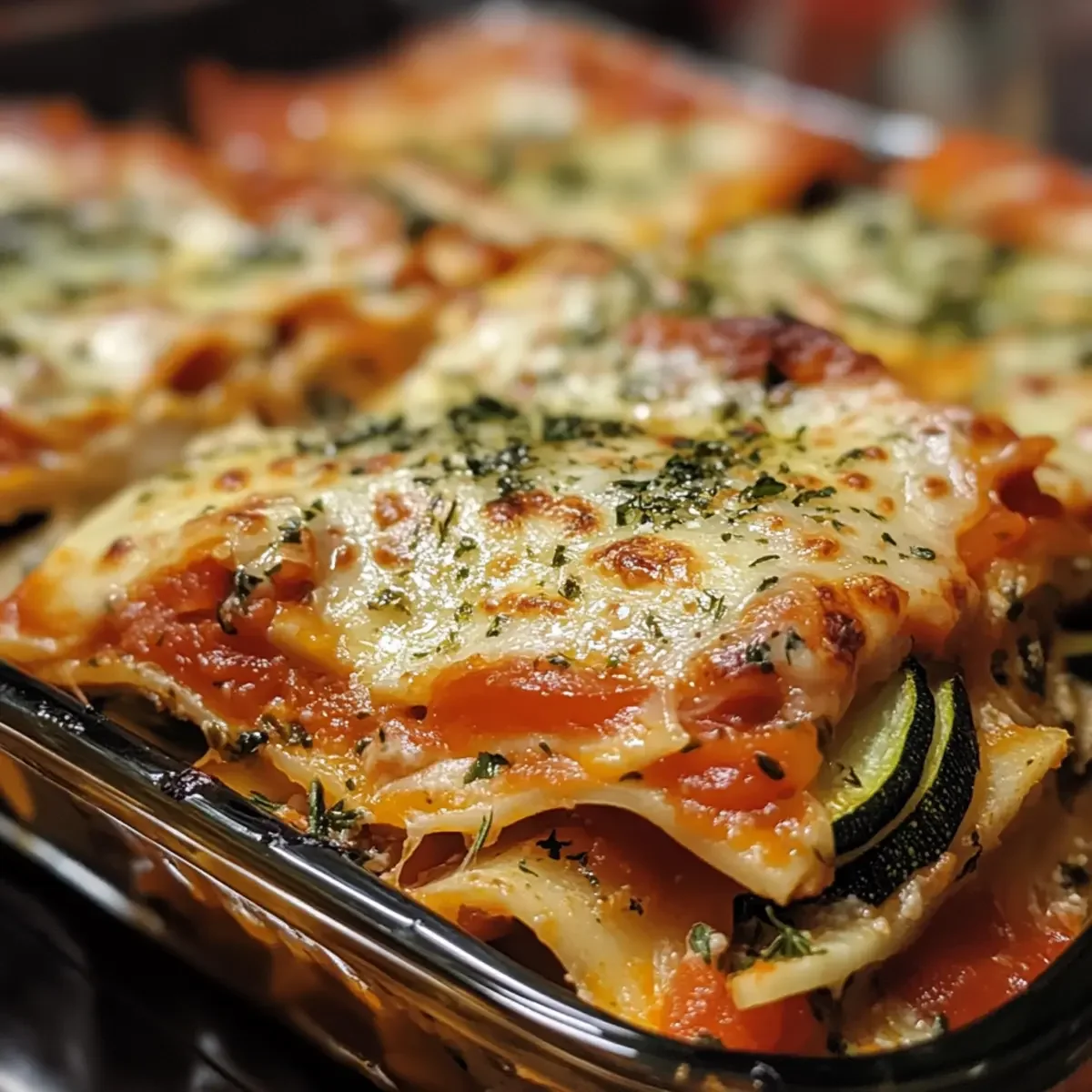
This Italian-inspired lasagna layers roasted courgette, peppers, aubergine and tomatoes with ricotta, mozzarella, Parmesan and marinara. Roasting the vegetables first brings out their sweetness and helps build flavour in every layer.
Ingredients
- 2 mediumcourgettes, sliced thickly
- 2 mediumred peppers
- 1 mediumaubergine
- 1 largered onion
- 150 g (1 cup)cherry tomatoes
- 425 g (15 oz)ricotta
- 340 g (3 cups)mozzarella, shredded
- 100 g (1 cup)Parmesan, freshly grated
- 255 g (9 oz)no-boil lasagne sheets
- 680 g (24 oz)marinara sauce
- 30 ml (2 tbsp)olive oil
Instructions
- 1
Heat the oven
Preheat the oven to 220°C (425°F). Set a rack in the upper third and line a baking sheet with foil.
- 2
Coat the vegetables
Put the vegetables in a large bowl and toss them with the olive oil, salt and pepper.
- 3
Roast the vegetables
Spread the vegetables evenly over the prepared baking sheet and roast for 20–25 minutes.
- 4
Lower the temperature
After roasting, reduce the oven to 190°C (375°F) and leave the tray to stand for five minutes.
- 5
Sauce the dish
Spread marinara sauce over the bottom of a 23 × 33 cm (9 × 13-inch) baking dish.
- 6
Build the layers
Arrange no-boil lasagne sheets over the sauce, then add ricotta, roasted vegetables and shredded mozzarella.
- 7
Finish the layers
Repeat the layers until the dish is nearly full, finishing with extra mozzarella and Parmesan.
- 8
Bake the lasagna
Cover the dish with foil and bake for 30 minutes. Remove the foil and bake for a further 10 minutes.
- 9
Rest before serving
Leave the lasagna at room temperature for 10 minutes before serving.
What is vegetable lasagna?
Lasagna is an Italian baked pasta dish traditionally assembled in layers with pasta, sauce and other fillings. This version replaces meat with a generous mix of roasted vegetables and pairs them with ricotta and two cheeses.
Roasting gives the vegetables a head start on flavour and tenderness before they go into the bake. Marinara ties the layers together, while mozzarella and Parmesan make a savoury, golden top.
Nutrition and macros by portion
The nutrition label shows one serving as written: 400 calories, 20g protein, 45g carbs, 15g fat.
| Portion | Adjustment | kcal | Protein | Carbs | Fat |
|---|---|---|---|---|---|
| Lighter | Smaller slice, extra greens | 280 kcal | 14g | 31g | 11g |
| This serving | As written | 400 kcal | 20g | 45g | 15g |
| Hungry | Larger lasagna portion | 600 kcal | 30g | 68g | 23g |
The lasagne sheets and vegetables provide most of the carbohydrates, while ricotta, mozzarella and Parmesan contribute protein and much of the fat. Serve a slice with salad or greens to add freshness and make the plate more varied.
Choose and prepare the vegetables
Courgettes: Cut them thickly so they keep some texture after roasting and baking.
Aubergine and peppers: Roast them with the onion and tomatoes so their flavours mingle and excess moisture can escape.
Seasoning: The method calls for salt and pepper when tossing the vegetables with oil. Salt the aubergine beforehand if you like, as suggested in the ingredient notes.
Roast before layering
Spread the vegetables in an even layer on the lined tray so they roast rather than steam. If they are piled up, they may soften without developing much colour.
The brief rest after roasting and lowering the oven temperature gives you time to begin assembling while the oven settles to the baking temperature.
Layer for an even bake
Sauce first: Coat the base of the dish with marinara so the bottom lasagne sheets have sauce beneath them.
Repeat evenly: Distribute the ricotta, vegetables and mozzarella across the layers rather than putting most of the filling in one place.
Cheesy top: Finish with mozzarella and Parmesan for a well-covered surface that can brown once the foil comes off.
Check the texture and timing
The covered 30-minute bake gives the layers time to heat through; the additional 10 minutes uncovered lets the top finish baking. Keep the stated oven temperatures: 220°C for roasting, then 190°C for the lasagna.
Rest the dish for 10 minutes before cutting. This helps the layers settle, making portions easier to lift out.
What to serve with it
A crisp green salad or simply dressed leaves make a fresh contrast to the soft, cheesy layers. Garlic bread is another natural partner if you want a more substantial meal.
For extra vegetables at the table, serve steamed greens or a simple side of roasted seasonal vegetables.
Recipe notes & tips
- Slice the courgettes thickly so they do not disappear into the layers.
- Spread the vegetables out on the tray to encourage roasting.
- Use no-boil lasagne sheets as specified, and cover them well with the sauce and filling.
- Grate the Parmesan shortly before assembling for a fresh, savoury finish.
- Let the baked lasagna rest for 10 minutes before slicing.
- Line the baking sheet with foil to make it easier to handle after roasting.
Variations
- Add spinach: Fold wilted, well-drained spinach into the ricotta for another vegetable layer.
- Use fresh herbs: Scatter chopped basil or oregano between the layers for an aromatic finish.
- Bring the heat: Add chilli flakes to the marinara for a gently spicy sauce.
- Swap the cheese: Use provolone in place of some of the mozzarella for a different savoury flavour.
- Add mushrooms: Roast sliced mushrooms with the other vegetables for a deeper, earthy note.
Common mistakes to avoid
- Crowding the tray: The vegetables can steam instead of roast; spread them out evenly.
- Thin courgette slices: They may turn very soft in the bake; cut them thickly as directed.
- Dry pasta sheets: Make sure the no-boil sheets are layered with sauce and filling rather than left exposed.
- Uneven filling: Concentrating the vegetables or cheese in one layer can make portions harder to hold; distribute them across the layers.
- Cutting too soon: The layers may slide apart; rest the lasagna for 10 minutes before serving.
How to store
Cool leftovers, cover or transfer them to an airtight container, and refrigerate for up to 3 days. Reheat portions in the oven until hot throughout, covering them if the top is browning too quickly.
Frequently asked questions
Do I need to salt the aubergine first?
The ingredient note suggests salting it before roasting. This is optional; if you do, let it sit briefly and pat it dry before tossing with the other vegetables.
Can I use regular lasagne sheets?
This method specifies no-boil sheets. Regular sheets may need to be cooked first, so follow the packet instructions if substituting.
Why roast the vegetables before assembling?
Roasting softens them and develops their flavour before they are baked in the lasagna. It also gives moisture a chance to escape before the layers are assembled.
How can I tell when the lasagna is ready?
Bake it covered for 30 minutes and uncovered for 10 more, as directed. The top should be browned, and the dish should be hot through before resting.
Can I assemble it ahead of time?
You can prepare the roasted vegetables and assemble the dish ahead, then keep it covered in the fridge. Allow for extra baking time if it goes into the oven cold, and check that it is hot through.
Can I freeze leftovers?
Yes. Cool portions, wrap or seal them well, and freeze. Thaw in the fridge before reheating until hot throughout.
Cook it from the original
This recipe comes from betterhomerecipes.com. Their page has the author’s own photos, notes and tips — the best place to cook it from.
Open the recipe on betterhomerecipes.com