
Crème brûlée
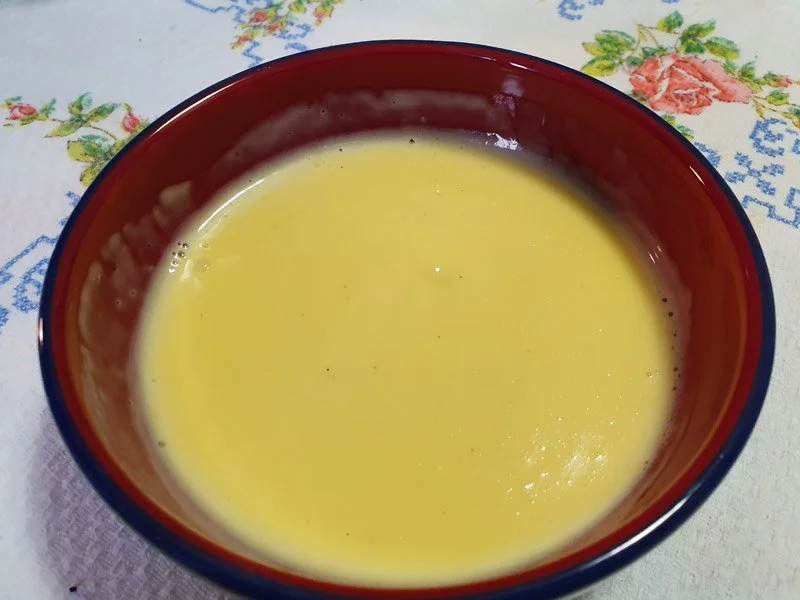
Crème brûlée is a French baked custard with a crisp, caramelised sugar top. This version gets its flavour from vanilla-infused cream and its contrast from a thin layer of brown sugar caramelised just before serving.
Ingredients
- 500 mldouble cream
- 1Bourbon vanilla pod
- 6egg yolks
- 100 ggranulated sugar
- 6 tablespoonsbrown sugar
Instructions
- 1
Heat the oven
Preheat the oven to 160°C. Pour the cream into a saucepan and split the vanilla pod lengthways.
- 2
Infuse the cream
Scrape the black seeds from the pod with a knife and add them to the cream. Warm over a low heat until it reaches a gentle boil. Meanwhile, whisk the egg yolks and granulated sugar with an electric whisk for 5 minutes.
- 3
Combine the mixture
Once the cream reaches the boil, keep whisking the yolk mixture and gradually pour in the vanilla cream.
- 4
Fill the ramekins
Strain the mixture and divide it between 6 ramekins. Leave them to cool slightly, then refrigerate for a few hours. Put the ramekins in a roasting tin and pour in boiling water until it comes halfway up their sides.
- 5
Bake the custards
Set the tin in the preheated oven and bake for about 60 minutes, or until the surface of the crème brûlée is firm and golden.
- 6
Chill the custards
Remove the ramekins from the oven and leave them to cool. Refrigerate for about 3–4 hours or until ready to serve.
- 7
Add the sugar
Just before serving, sprinkle each ramekin with 1 tablespoon of brown sugar.
- 8
Caramelise the tops
Put the ramekins under a preheated grill for a few minutes, watching closely until a crisp crust forms.
- 9
Rest briefly
Alternatively, use a culinary blowtorch. Once the characteristic crust has formed, remove the ramekins from the oven and wait 1 minute.
- 10
Serve the brûlées
Serve the crème brûlée in its cooking ramekin, warm or cold.
What is crème brûlée?
Crème brûlée means “burnt cream” in French, referring to the caramelised sugar crust over a smooth baked custard. It is a classic French dessert, though its precise historical origins are debated.
Vanilla-scented cream and egg yolks make this version rich and delicate. The crisp topping is caramelised just before serving, so it contrasts with the chilled custard.
Nutrition and macros by portion
The nutrition label shows one serving as written: 675 calories, 10g protein, 45g carbs, 48g fat.
| Portion | Adjustment | kcal | Protein | Carbs | Fat |
|---|---|---|---|---|---|
| Lighter | Smaller ramekin portion | 472 kcal | 7g | 31g | 34g |
| This serving | As written | 675 kcal | 10g | 45g | 48g |
| Hungry | Larger ramekin portion | 1013 kcal | 15g | 68g | 72g |
The cream and yolks provide most of the fat, while the yolks also supply some protein; the granulated and brown sugars contribute most of the carbohydrates. Balance a portion with fresh fruit, and note that the recipe says to fill 6 ramekins although it lists 4 servings.
Choosing the ingredients
Cream: Use full-fat cream for the rich texture expected in a baked custard. Warming it with the scraped vanilla seeds helps distribute their flavour through the mixture.
Vanilla: Scrape the seeds from the pod and add them to the cream as directed. The pod itself is split, but the method does not say to add it to the saucepan.
Sugar: Granulated sugar is whisked with the yolks, while brown sugar makes the topping. Divide the topping sugar between the ramekins, using 1 tablespoon for each.
Tempering the yolks
Pour the hot cream into the yolk mixture gradually while whisking continuously. Adding it slowly helps combine the ingredients smoothly rather than heating the yolks too suddenly.
Straining the custard before filling the ramekins removes any small lumps and vanilla-pod fragments. Handle the mixture gently to avoid incorporating excess air.
Using a water bath
The method bakes the ramekins in a roasting tin with boiling water reaching halfway up their sides. This water bath helps the custard cook gently and evenly.
Take care when moving the tin, as both the water and the ramekins will be hot. The recipe calls for the custards to be chilled before the water bath, then baked.
Checking when they are done
Bake for about 60 minutes at 160°C, using the firm and golden surface given in the recipe as the doneness cue. Ovens and ramekin sizes can affect how quickly the custard sets, so check towards the end of the stated time.
The custards are chilled after baking for 3–4 hours or until serving. Allow them to cool before putting them in the fridge.
Getting a crisp topping
Sprinkle the brown sugar over each custard just before caramelising. A preheated grill or a culinary blowtorch can be used to form the crust.
Watch the sugar closely under the grill, since it can darken quickly. Leave the ramekins for 1 minute after caramelising, as the method directs.
Serving ideas
Serve the custards in their ramekins, warm or cold, as the recipe suggests. The crunchy top is best enjoyed soon after it is made.
For a simple dessert plate, serve alongside fresh berries or sliced fruit. Keep additions modest so the vanilla custard and caramelised sugar remain the focus.
Recipe notes & tips
- Scrape the vanilla seeds carefully so they do not remain clumped in the pod.
- Whisk continuously as you pour the hot cream into the yolks.
- Strain the custard before dividing it among the ramekins.
- Pour the boiling water into the roasting tin carefully to avoid splashing.
- Stay by the oven while grilling the sugar, as the crust can darken quickly.
- Caramelise the sugar shortly before serving to keep the topping crisp.
Variations
- Citrus note: Add a strip of lemon or orange zest to the cream while warming it, then strain it out.
- Coffee flavour: Infuse the warm cream with a little coffee, then strain before combining it with the yolks.
- Berry pairing: Serve with a few fresh berries for a tart contrast to the sweet custard.
- Blowtorch finish: Use a culinary blowtorch instead of the grill to caramelise the sugar topping.
- Smaller portions: Divide the custard among more ramekins and adjust the baking time according to their size.
Common mistakes to avoid
- Pouring too quickly: The hot cream can heat the yolks unevenly; add it gradually while whisking.
- Skipping the strainer: Small lumps can remain in the custard; strain it before filling the ramekins.
- Uneven water-bath depth: The recipe calls for water halfway up the ramekins; check the level before baking.
- Overcooking the topping: Sugar can burn under the grill; watch it closely and remove the ramekins once the crust forms.
- Chilling too briefly: The recipe specifies 3–4 hours after baking; allow time for the custards to cool and chill.
How to store
Cover the cooled ramekins and refrigerate for up to 3 days. Add and caramelise the brown sugar shortly before serving; reheating the custards is not recommended because it can affect their texture.
Frequently asked questions
Why does this recipe use 6 ramekins for 4 servings?
The method says to fill 6 ramekins, while the recipe lists 4 servings. The yield and serving count do not match, so portions may be larger if you divide the custard between 4 ramekins.
Can I use a blowtorch instead of the grill?
Yes. The method specifically gives a culinary blowtorch as an alternative; caramelise the brown sugar until a crisp crust forms.
How can I tell when the custard is baked?
The recipe says to bake for about 60 minutes, or until the surface is firm and golden. Check it as it approaches that time.
Why is there a water bath?
The ramekins are set in boiling water that reaches halfway up their sides. This gives the custards a gentler, more even bake.
Can I make the custards ahead?
Yes. The method includes chilling them for 3–4 hours or until serving. For the crispest top, add and caramelise the brown sugar shortly before serving.
Can I serve crème brûlée warm?
The recipe says to serve it warm or cold in its cooking ramekin. The custards are chilled first, so serving them cold follows the stated method.
Cook it from the original
This recipe comes from fragolosi.it. Their page has the author’s own photos, notes and tips — the best place to cook it from.
Open the recipe on fragolosi.it