
Sautéed artichokes
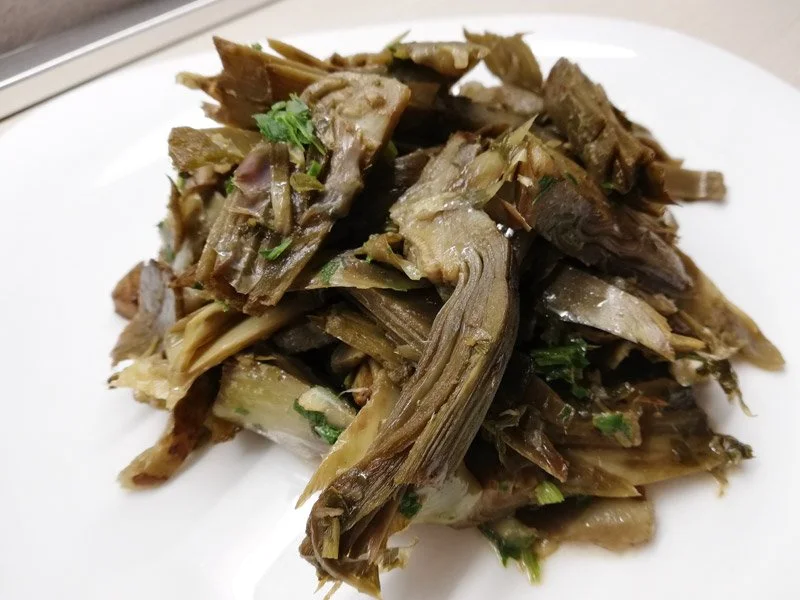
Sautéed artichokes are a simple Italian side dish of tender artichoke wedges cooked with garlic, parsley and olive oil. Serve them warm, at room temperature or chilled alongside a main course.
Ingredients
- 8small to medium artichokes
- Juice of 1lemon
- 2 clovesgarlic, peeled
- 1 bunchfresh parsley
- 40 mlextra-virgin olive oil
- To tastesalt
- To tasteblack pepper
Instructions
- 1
Trim the artichokes
Cut off the artichoke tips, then remove about 3–4 layers of the toughest outer leaves, stopping when you reach the paler, thinner leaves.
- 2
Cut into wedges
Trim the ends of the stems, leaving just 1–2 cm. Halve the artichokes, remove the fuzzy inner choke, then cut them into wedges.
- 3
Prevent browning
As you clean each artichoke, place it in cold water acidulated with the lemon juice to help prevent discolouration.
- 4
Prepare the pan
Drain and pat the artichokes dry with a tea towel. Rinse, drain and chop the parsley. Heat the oil in a frying pan, lightly crush the garlic cloves and let them turn golden in the oil.
- 5
Sauté the artichokes
Remove the garlic and add the artichokes. Toss them over a high heat for a couple of minutes, then lower the heat and add some of the chopped parsley.
- 6
Cover and cook
Season with salt and continue cooking over a very low heat with the pan covered. Add a few tablespoons of hot water from time to time.
- 7
Check for tenderness
Pierce an artichoke wedge with the prongs of a fork to check whether it is cooked; the fork should go in without much resistance.
- 8
Keep them intact
Cook for around 15–20 minutes in total, until the wedges are tender but not falling apart.
- 9
Season to finish
When the artichokes are nearly cooked, add more chopped parsley and freshly ground black pepper.
- 10
Serve as you like
When cooking is complete, transfer the artichokes to a serving plate. Serve them hot, warm or cold, according to your preference.
What are sautéed artichokes?
This is a traditional-style Italian side dish, often called carciofi trifolati: artichokes cooked gently with garlic, parsley and olive oil. The name is associated with the chopped herbs used to flavour the vegetables.
Here, the wedges are first browned briefly, then covered and cooked until tender. That two-stage method gives them flavour while helping them keep their shape.
Nutrition and macros by portion
The nutrition label shows one serving as written: 155 calories, 4g protein, 16g carbs, 10g fat.
| Portion | Adjustment | kcal | Protein | Carbs | Fat |
|---|---|---|---|---|---|
| Lighter | Use less olive oil | 109 kcal | 3g | 11g | 7g |
| This serving | As written | 155 kcal | 4g | 16g | 10g |
| Hungry | Serve with beans | 233 kcal | 6g | 24g | 15g |
Most of the carbohydrates and fibre come from the artichokes, while the olive oil supplies most of the fat. The artichokes contribute a modest amount of protein; the exact nutrition varies with their size and how much of each is trimmed away. Balance the plate with a protein-rich main and another vegetable, or beans for a plant-based meal.
Choosing and trimming artichokes
Size: Choose artichokes that are not too large, as specified in the recipe, so the wedges cook evenly. Remove the tough outer leaves and trim the stem ends, leaving a little stem attached.
The choke: Cut each artichoke in half and remove the fuzzy centre before slicing it into wedges. Smaller, tender artichokes may have little or no noticeable choke.
Keep the wedges pale
Lemon water: Artichoke cut surfaces can darken while you work. Put each cleaned piece straight into cold water with the lemon juice, then drain and dry the wedges before they go into the hot oil.
Drying: Patting the artichokes dry helps limit spluttering when they meet the oil. It also makes it easier for them to sauté rather than release excess water straight away.
Build flavour without scorching
Garlic: Let the lightly crushed cloves turn golden in the oil, then remove them before adding the artichokes. This leaves a gentle garlic flavour without leaving the cloves in the pan for the longer cooking.
First sear: Toss the wedges over a high heat for a couple of minutes, then reduce the heat and cover the pan. Add hot water a few tablespoons at a time if the pan looks dry.
Check the texture
Tenderness: The recipe gives a total cooking time of around 15–20 minutes. Test a wedge with a fork; it should pierce without much resistance.
Stop point: The artichokes should be tender but still hold their shape. If they are not ready, continue cooking gently under the lid and check again.
Finish and serve
Fresh herbs: Add more chopped parsley near the end so its flavour remains fresh. Finish with black pepper ground at the table or just before serving.
Serving temperature: These artichokes can be served hot, warm or cold. They pair well with grilled fish, roast chicken, beans or other simple dishes that leave their herbal flavour in focus.
Recipe notes & tips
- Keep a bowl of lemon water beside the chopping board and submerge each artichoke as soon as it is cut.
- Remove enough tough outer leaves to reach the paler, thinner leaves.
- Dry the wedges well before adding them to the hot oil.
- Keep the garlic moving in the oil and remove it once golden.
- Add hot water a few tablespoons at a time so the artichokes cook gently without becoming waterlogged.
- Taste a wedge for tenderness before taking the pan off the heat.
Variations
- Add chilli: Put a pinch of dried chilli in the oil with the garlic for gentle heat.
- Use mint: Replace some of the parsley with chopped mint for a different fresh herbal note.
- Add lemon zest: Finish with a little finely grated zest for a brighter citrus aroma.
- Make it richer: Scatter over a little grated hard cheese just before serving.
- Serve with beans: Fold in cooked cannellini beans near the end for a more substantial dish.
Common mistakes to avoid
- Leaving the choke in: Remove the fuzzy centre from each halved artichoke before cutting the wedges.
- Skipping the lemon water: Put cut artichokes into the acidulated water promptly to limit browning.
- Adding wet wedges: Drain and pat them dry first to reduce spluttering and excess moisture in the pan.
- Burning the garlic: Let it turn golden, not dark brown, and remove it before adding the vegetables.
- Cooking too fast: After the brief high-heat sauté, lower the heat and cover the pan so the wedges soften without scorching.
- Overcooking: Check with a fork and stop once the wedges are tender but still intact.
How to store
Cool the artichokes promptly and store them in a covered container in the fridge for up to 3 days. Reheat gently in a covered pan with a small splash of water, or serve them cold.
Frequently asked questions
Can I prepare the artichokes ahead?
You can clean and cut them ahead, but keep the pieces submerged in cold water with lemon juice until you are ready to cook. Drain and dry them thoroughly before sautéing.
How do I know when the artichokes are cooked?
Pierce a wedge with a fork. It should go in without much resistance, while the wedge itself remains intact rather than falling apart.
Why do I need to add hot water?
A few tablespoons help the artichokes cook gently under the lid if the pan becomes dry. Add it gradually rather than pouring in a large amount at once.
Can I use frozen artichokes?
The recipe is written for fresh whole artichokes, which need trimming and choke removal. Frozen prepared artichokes can be used, but their cooking time and texture may differ.
Can I serve these artichokes cold?
Yes. The recipe allows them to be served hot, warm or cold, so they can also be made ahead and served chilled.
Cook it from the original
This recipe comes from fragolosi.it. Their page has the author’s own photos, notes and tips — the best place to cook it from.
Open the recipe on fragolosi.it