
Pilaf rice
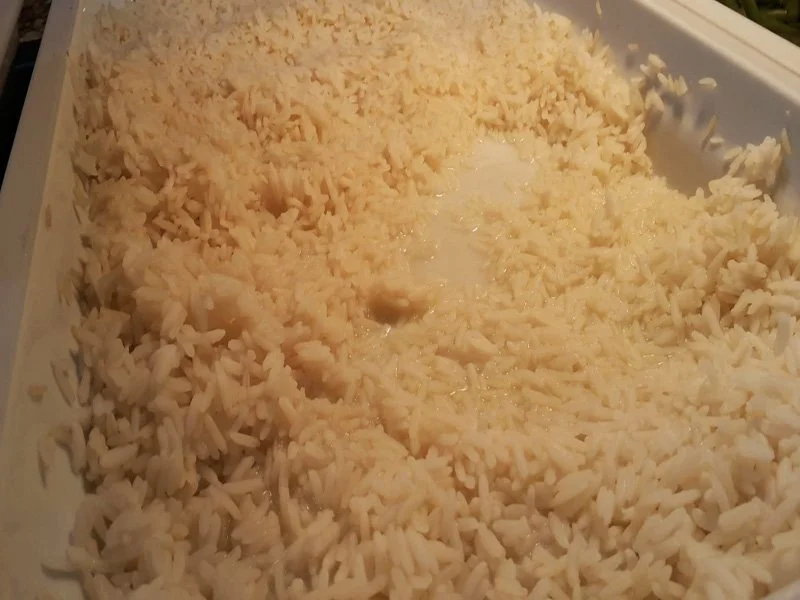
This Turkish-style pilaf cooks basmati rice with ghee, onion and whole spices for separate, lightly scented grains. It makes a useful side for meat or fish, and careful rinsing and covered cooking help keep the rice intact.
Ingredients
- 250 gbasmati rice
- 375–400 mlboiling water or light stock
- 1finely chopped onion
- 1 stickcinnamon
- 2–3cloves
- 60 gghee
- ½ teaspoonsalt
Instructions
- 1
Rinse the rice
Put the basmati rice in a large sieve and rinse it repeatedly to remove the starch coating the grains.
- 2
Change the water
Transfer the rice to a wide bowl and cover it with tap water. Stir with a wooden spoon, then replace the water at least 3–4 times, until it runs clear.
- 3
Soak the rice
Leave the rice to soak for 30 minutes so the grains can swell and are less likely to split during cooking.
- 4
Soften the onion
Drain the rice through a fine-mesh sieve. Melt the ghee in a heavy-based saucepan, add the onion and cook gently without browning it; this should take about 10 minutes.
- 5
Coat the grains
Add the rice and stir with a wooden spoon for a couple of minutes, until every grain is coated in fat and looks translucent.
- 6
Add the spices
Add the whole cinnamon stick and cloves, which will be removed at the end. Pour in the hot, salted water or stock; using cold liquid could cause the grains to split.
- 7
Cook it covered
Fit the lid tightly and bring the liquid to the boil over a high heat. As soon as it boils, reduce the heat so the liquid no longer bubbles, then cook for about 15 minutes without stirring.
- 8
Rest off heat
As soon as the liquid has been absorbed, remove the pan from the heat. Keep the lid firmly in place and leave the rice to finish cooking for another 5 minutes.
- 9
Let it steam
The trapped steam will help the grains swell and lengthen while they remain whole.
- 10
Fluff and serve
Transfer the rice to a serving dish and gently separate the grains with a fork. Add a knob of butter if you like, then serve the pilaf hot.
What is pilaf rice?
Pilaf is a way of cooking rice with roots in Turkish cuisine and a long history across the Middle East and Central Asia. The grains are first coated in fat, then cooked gently in a covered pan with hot liquid.
This version uses basmati, onion, cinnamon and cloves. Rinsing and soaking the rice, then leaving it undisturbed as it cooks, helps produce distinct, tender grains.
Nutrition and macros by portion
The nutrition label shows one serving as written: 360 calories, 5g protein, 49g carbs, 15g fat.
| Portion | Adjustment | kcal | Protein | Carbs | Fat |
|---|---|---|---|---|---|
| Lighter | Use less ghee | 252 kcal | 3g | 34g | 11g |
| This serving | As written | 360 kcal | 5g | 49g | 15g |
| Hungry | Serve a larger portion | 540 kcal | 7g | 74g | 23g |
Most of the carbohydrates come from the basmati rice, while the ghee supplies most of the fat; the rice provides a modest amount of protein. Serve it with vegetables and a protein-rich main such as fish or meat to make a more balanced plate.
Choosing and preparing the rice
Basmati rice: its long, slender grains suit pilaf and are less likely to clump when handled gently. Rinse until the water runs clear to wash away loose surface starch.
Soaking: give the rice 30 minutes in cold water, then drain it well. This lets the grains take up water before they go into the pan.
Build the flavour gently
Onion: cook it slowly in the ghee for about 10 minutes, keeping it pale rather than letting it brown. This gives the rice a savoury base without adding toasted flavours.
Whole spices: the cinnamon stick and cloves scent the cooking liquid as the rice simmers. Leave them whole so they can be removed before serving.
The covered cooking stage
Hot liquid: add boiling water or light stock that has been salted. Starting hot avoids cooling the pan suddenly after the rice has been coated in fat.
Low heat: bring the covered pan to the boil, then reduce the heat so the liquid does not continue bubbling. Do not stir during the roughly 15-minute simmer; wait until the liquid has been absorbed.
Resting and checking doneness
Off-heat rest: once the liquid is absorbed, keep the lid on for another 5 minutes with the pan away from the heat. The retained steam finishes cooking the grains.
Texture: the rice should be tender but still hold its shape. Fluff it carefully with a fork so the grains separate without breaking.
Serving the pilaf
Pairings: serve the rice hot alongside meat or fish, as a plain or gently spiced accompaniment. It can also sit beside vegetables for a simple meal.
Finishing: remove the cinnamon and cloves before serving. A small knob of butter is optional, as the rice is already cooked with ghee.
Recipe notes & tips
- Use a fine-mesh sieve so grains do not escape while rinsing or draining.
- Let the onion soften without taking on colour.
- Make sure the liquid is hot before adding it to the rice.
- Keep the lid on during both the simmer and the off-heat rest.
- Fluff gently with a fork rather than stirring vigorously.
Variations
- Use light stock: replace the boiling water with hot, lightly salted stock for a savourier base.
- Adjust the spices: use fewer cloves for a subtler aromatic note.
- Add black pepper: season the hot liquid with a little pepper for extra warmth.
- Finish with butter: fold a small knob through the rice just before serving.
- Serve with vegetables: pair the pilaf with roasted or steamed vegetables as well as a main.
Common mistakes to avoid
- Skipping the rinse: excess surface starch can make the grains stick; rinse until the water is clear.
- Browning the onion: it can overpower the delicate rice; cook it gently until soft and pale.
- Adding cold liquid: the sudden temperature change can split the grains; use hot water or stock.
- Stirring during the simmer: this can break the grains; leave the pan covered and undisturbed.
- Lifting the lid too soon: steam escapes and interrupts the finish; keep it closed during the rest.
How to store
Cool leftovers promptly and keep them in a sealed container in the fridge for up to 2 days. Reheat until piping hot, with a splash of water to help loosen the grains.
Frequently asked questions
Can I use another type of rice?
Basmati is specified for its long, slender grains. Another variety may need a different amount of liquid or cooking time, so follow its cooking requirements.
Can I use stock instead of water?
Yes. Use 375–400 ml of hot light stock and adjust the added salt to suit how well seasoned the stock is.
Why does the rice need soaking?
The 30-minute soak lets the grains swell before cooking and helps them stay intact. Drain them thoroughly before adding them to the pan.
How can I tell when the pilaf is ready?
The liquid should be absorbed after about 15 minutes of gentle cooking. The rice then rests, covered and off the heat, for 5 minutes to finish in the steam.
Should I stir the rice while it cooks?
No. Stir it only while coating the grains in ghee, then leave it covered and undisturbed during the simmer.
Do I need to remove the whole spices?
Yes. Remove the cinnamon stick and cloves before serving so diners do not bite into them.
Cook it from the original
This recipe comes from fragolosi.it. Their page has the author’s own photos, notes and tips — the best place to cook it from.
Open the recipe on fragolosi.it