
Simple Lemon Herb Salmon Recipe: Perfectly Juicy & Easy to Make
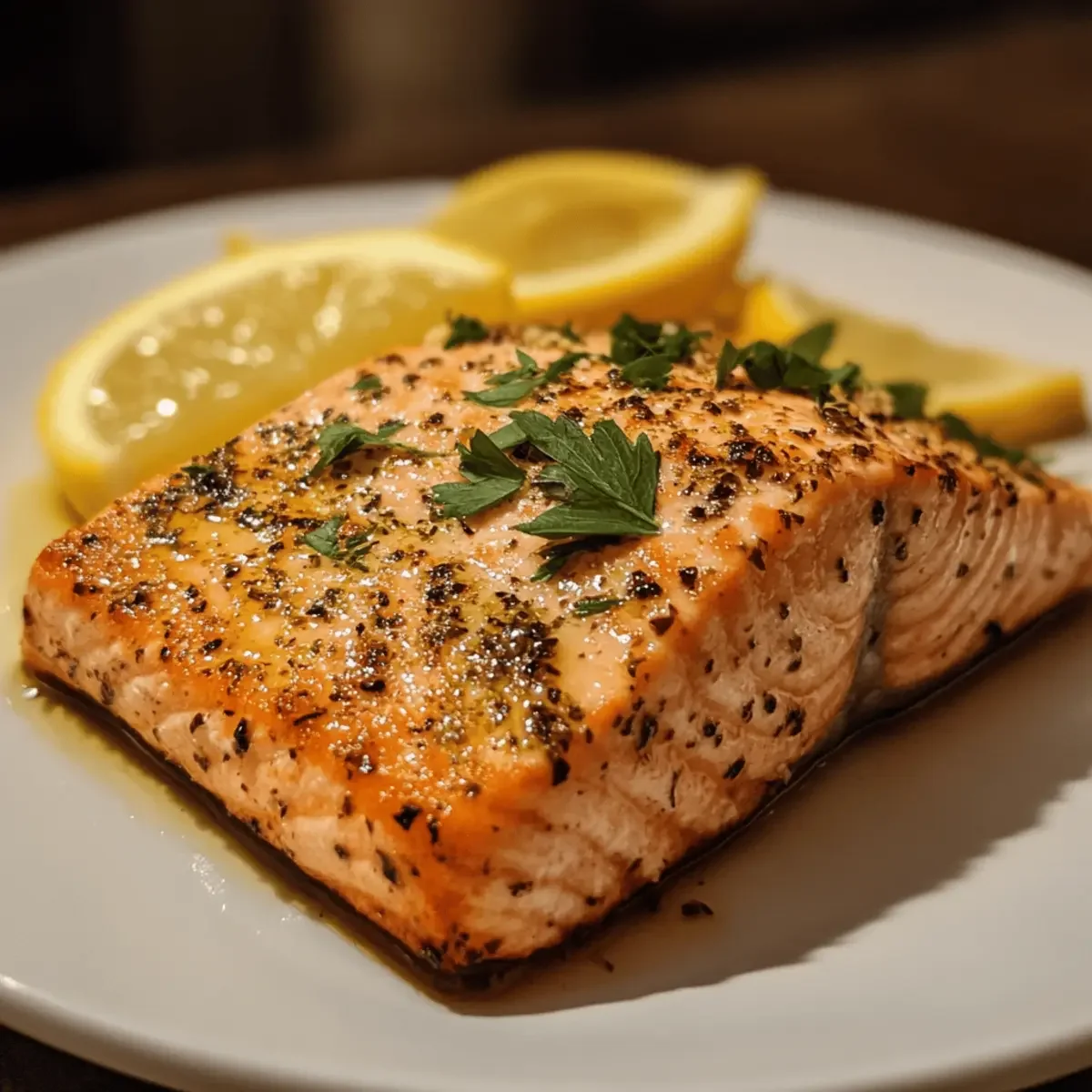
This easy oven-baked salmon pairs lemon, garlic and fresh herbs with a gently spicy, savoury seasoning. It makes a simple Mediterranean-inspired main for a weeknight meal or a relaxed dinner with friends.
Ingredients
- 4salmon fillets
- 1 wholefresh lemon
- 2 clovesgarlic, minced
- 3 tablespoonsfresh herbs, such as dill, parsley or thyme
- 2 tablespoonsolive oil
- 1 teaspoonsalt
- 1 teaspoonblack pepper
- 1 teaspoonred pepper flakes
- 2 tablespoonsbutter
- 2 tablespoonscapers
Instructions
- 1
Preheat the oven
Heat the oven to 200°C (400°F). Line a baking sheet with parchment paper or grease it lightly.
- 2
Mix the marinade
In a small bowl, whisk the lemon zest and juice with the olive oil, minced garlic, chopped herbs, salt and pepper.
- 3
Brush the salmon
Pat the salmon dry, then brush the marinade evenly over the top of each fillet.
- 4
Rest the fillets
Leave the salmon at room temperature for 10 minutes so it can take on the flavours.
- 5
Bake the salmon
Arrange the fillets skin-side down on the prepared sheet. Bake for 12–15 minutes, until opaque and easy to flake.
- 6
Brown the tops
If you like, place the salmon under a high grill for 1–2 minutes to brown the top, keeping a close eye on it.
- 7
Rest and serve
Leave the salmon to rest for 2 minutes before serving. Garnish with fresh lemon slices and herbs.
What is lemon herb salmon?
This is a simple baked fish dish built around familiar Mediterranean-style flavours: olive oil, lemon, garlic and herbs. Rather than relying on a long marinade or elaborate sauce, it uses a quick coating before the salmon goes into the oven.
Skin-on fillets are specified for this recipe, which helps keep the fish juicy as it cooks. The bright citrus and fragrant herbs balance salmon’s rich flavour.
Nutrition and macros by portion
The nutrition label shows one serving as written: 250 calories, 23g protein, 2g carbs, 17g fat.
| Portion | Adjustment | kcal | Protein | Carbs | Fat |
|---|---|---|---|---|---|
| Lighter | Skip the butter | 175 kcal | 16g | 1g | 12g |
| This serving | As written | 250 kcal | 23g | 2g | 17g |
| Hungry | Add potatoes or rice | 375 kcal | 35g | 3g | 26g |
The salmon provides most of the protein and much of the fat, while olive oil and the listed butter add further fat. The lemon, garlic and herbs contribute flavour with relatively little carbohydrate; serve with a vegetable side and a suitable portion of potatoes or rice to make a more balanced plate.
The lemon and herb coating
Citrus: zest and juice both go into the marinade, bringing aromatic lemon oils as well as acidity. Zest the lemon before juicing it, and avoid grating the bitter white pith.
Herbs: dill, parsley or thyme are suggested, so choose one or combine them. Chop them finely enough to spread through the oil and lemon mixture.
Get the salmon ready
Dry surface: pat the fillets with kitchen paper before brushing them. This removes surface moisture so the marinade coats the fish instead of sliding off.
Even coating: spread the mixture over the top of each fillet. The recipe gives the fish 10 minutes at room temperature before baking; keep this rest brief and start with salmon that has been stored safely in the fridge.
How to tell when it is done
Look for flesh that has turned opaque and separates easily into flakes when gently tested. Check the thickest part of a fillet, as thinner pieces may finish sooner.
The optional 1–2-minute grill gives the top a little colour, but it can go from golden to overdone quickly. Watch it closely and skip this step if the salmon is already cooked to your liking.
A note on the listed additions
Butter, capers and red pepper flakes appear in the ingredient list, but the method does not specify when to use them. The written marinade and baking steps call for lemon, olive oil, garlic, herbs, salt and pepper.
To follow the method as written, set those three additions aside. If you want to use them, add them only according to your own preference rather than treating them as steps specified by the recipe.
What to serve alongside
Serve the salmon with potatoes, rice or crusty bread to make the meal more filling, and add a green vegetable or salad for freshness. A simple side also lets the lemon and herbs remain the focus.
If serving the fillets with lemon slices, use the same lemon already listed and reserve a little zest or a few thin slices before juicing it.
Recipe notes & tips
- Use fillets of similar thickness so they cook at roughly the same rate.
- Zest the lemon before cutting and juicing it.
- Chop the herbs finely so they distribute evenly through the marinade.
- Set a timer for the first 12 minutes and check the thickest fillet before adding more cooking time.
- Keep a close watch if you use the grill for the optional finish.
Variations
- Choose dill: use dill for a fresh, classic pairing with salmon.
- Try parsley: use parsley for a mild, clean herb flavour.
- Use thyme: choose thyme for a more savoury, aromatic note.
- Add gentle heat: the ingredient list includes red pepper flakes, though the method does not say when to add them.
- Serve with capers: the listed capers can bring a briny contrast, but their use is not described in the method.
Common mistakes to avoid
- Skipping the drying step: wet salmon can make the coating slide off, so pat the fillets dry first.
- Overcooking the fish: it can become dry, so check for opaque flesh that flakes easily from 12 minutes onwards.
- Leaving the grill unattended: the tops can brown quickly, so watch continuously during the optional finish.
- Using the whole lemon without zesting first: zest it before juicing, while the peel is easy to handle.
- Assuming every listed ingredient has a method step: butter, capers and red pepper flakes are not assigned a use in the written instructions.
How to store
Refrigerate leftover salmon in a covered container and eat within 2 days. Reheat gently in a low oven until warmed through, or enjoy it cold in a salad; avoid repeated reheating.
Frequently asked questions
Can I use salmon without the skin?
Yes. Arrange skinless fillets on the lined or lightly greased baking sheet and check them from 12 minutes, as cooking time can vary with thickness.
Can I use dried herbs instead of fresh?
The recipe specifies fresh herbs. Dried herbs have a more concentrated flavour, so use a smaller amount if substituting.
How do I know when the salmon is cooked?
The flesh should look opaque and flake easily when tested at its thickest point. Begin checking at the lower end of the 12–15-minute baking time.
Do I have to use the grill?
No. The 1–2-minute high-grill finish is optional; the salmon can be served after baking and resting.
When should I add the butter, capers and red pepper flakes?
The ingredient list includes them, but the method does not explain when to use them. The written instructions do not require them.
Cook it from the original
This recipe comes from betterhomerecipes.com. Their page has the author’s own photos, notes and tips — the best place to cook it from.
Open the recipe on betterhomerecipes.com