
Mac N‘ Cheese
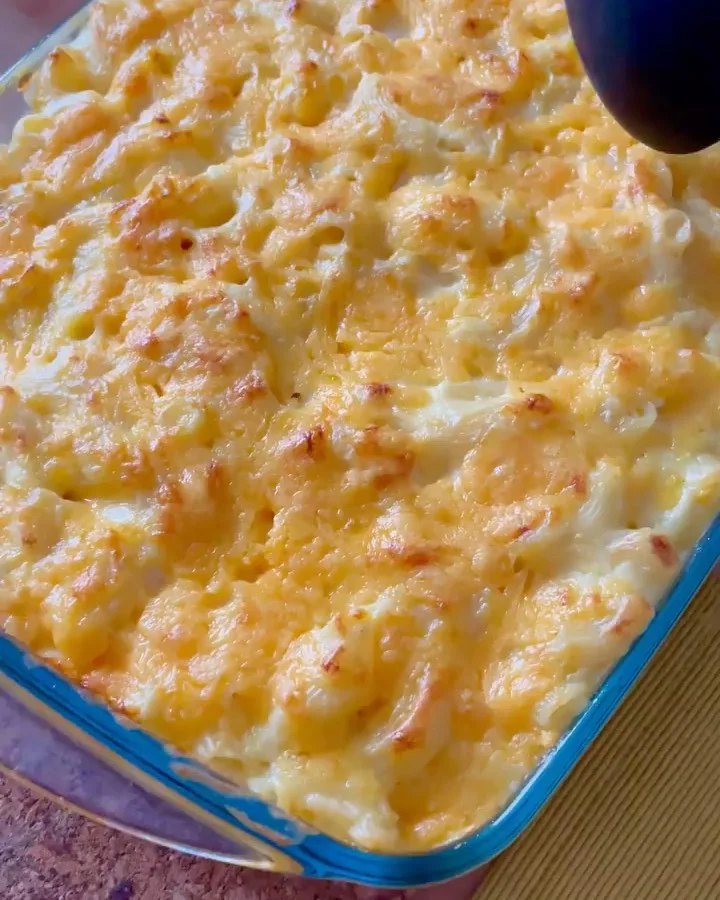
This baked mac and cheese combines pasta with a cheddar sauce made from a simple butter-and-flour roux. Baking it with an extra layer of cheese gives the top time to turn golden while the pasta stays coated in sauce.
Ingredients
- 300 gpasta
- 250 gcheddar cheese
- 600 ml (2.5 cups)milk
- 100 gbutter
- 3 tbspplain flour
- to tastesalt, pepper and nutmeg
Instructions
- 1
Cook the pasta
Cook the pasta according to its packet instructions. While it cooks, grate the cheddar.
- 2
Make the sauce
Melt the butter in a large pot. Add the flour and whisk for 1 minute, then gradually whisk in the milk.
- 3
Melt in cheese
When the sauce has thickened, add one-third of the grated cheese and whisk until it has melted and combined with the sauce.
- 4
Combine pasta
Drain the pasta, add it to the cheese sauce and mix thoroughly.
- 5
Layer and bake
Put half the pasta in a baking dish and cover with half of the remaining cheese. Add the rest of the pasta, then the rest of the cheese. Bake at 180°C for 20 minutes.
What is mac and cheese?
Mac and cheese is a pasta dish coated in a creamy cheese sauce, commonly associated with British and North American cooking. This version finishes in the oven, where the cheese layered on top browns as the sauce settles around the pasta.
Roux base: butter and flour are cooked together before milk is added, giving the sauce body. Cheddar brings a savoury, sharp flavour that stands up well to baking.
Nutrition and macros by portion
The nutrition label shows one serving as written: 824 calories, 31g protein, 68g carbs, 47g fat.
| Portion | Adjustment | kcal | Protein | Carbs | Fat |
|---|---|---|---|---|---|
| Lighter | Use less butter and cheese | 577 kcal | 22g | 48g | 33g |
| This serving | As written | 824 kcal | 31g | 68g | 47g |
| Hungry | Serve a larger portion | 1236 kcal | 47g | 102g | 71g |
The pasta and flour provide most of the carbohydrates, while cheddar, butter and milk contribute much of the fat; the cheese and milk also supply most of the protein. Serve a portion with green vegetables or salad to add freshness and balance the plate.
Build a smooth sauce
Roux: whisk the flour into the melted butter and keep it moving for the full minute. This helps distribute the flour evenly before the milk goes in.
Milk: add it gradually while whisking, so the mixture stays smooth as it thickens. Wait until the sauce has thickened before adding the first portion of cheese.
Choose the pasta
Shape: short pasta shapes such as macaroni, shells or twists catch sauce in their curves and hollows. The recipe simply calls for pasta, so use a shape you have to hand.
Doneness: cook it according to the packet directions, then drain it before mixing with the sauce. It will spend another 20 minutes in the oven, so avoid leaving it to overcook in the pot.
Layer for a cheesy top
Middle layer: the recipe mixes one-third of the cheddar into the sauce, then uses the remaining cheese between and above the pasta layers. Spread the cheese across the dish so each layer gets some.
Baking dish: use a dish large enough to hold the pasta without packing it tightly. Bake at 180°C for 20 minutes, until hot and bubbling around the edges.
Season with care
Salt and pepper: add them to taste, bearing in mind that cheddar can already be quite salty. Taste the sauce before mixing in the pasta and adjust if needed.
Nutmeg: use a light grating to complement the creamy sauce without masking the cheddar. It is listed with the seasonings, but no quantity is specified.
Serve it with
Fresh side: a crisp green salad or steamed green vegetables offer a fresh contrast to the rich, soft pasta. Dress salad simply so its flavours do not compete with the cheese.
At the table: let the dish rest briefly after baking so it is easier to portion. Serve straight from the baking dish while the sauce is still hot.
Recipe notes & tips
- Grate the cheddar before starting the sauce so it is ready to add as soon as the sauce thickens.
- Pour the milk in gradually while whisking to help prevent lumps.
- Drain the pasta well so excess cooking water does not thin the sauce.
- Spread the grated cheese evenly between the layers for a more even topping.
- Check the dish at 20 minutes and remove it when hot and bubbling.
Variations
- Add mustard: stir a little into the sauce for a sharper flavour.
- Use mixed cheeses: replace some cheddar with another good-melting cheese.
- Add vegetables: fold cooked peas or broccoli through the pasta before layering.
- Add breadcrumbs: scatter a thin layer over the top for a crisp finish.
- Add smoked paprika: season the sauce lightly for a smoky note.
Common mistakes to avoid
- Adding milk too quickly: whisk it in gradually to keep the sauce smooth.
- Leaving the roux unattended: keep whisking for the full minute so it cooks evenly.
- Overcooking the pasta: follow the packet timing, since it will bake for another 20 minutes.
- Adding cheese before the sauce thickens: wait until it has thickened so the sauce can coat the pasta.
- Uneven layering: spread the pasta and cheese across the dish to avoid bare patches.
How to store
Refrigerate leftovers in a covered container for up to 3 days. Reheat until piping hot in the oven or microwave; add a splash of milk if the sauce has thickened in storage.
Frequently asked questions
Can I use a different pasta shape?
Yes. Short shapes such as shells, twists or penne work well because they hold the sauce. Cook whichever shape you choose according to its packet instructions.
Can I make this ahead?
You can assemble the pasta and sauce in the baking dish, cover it and refrigerate it. Bake until hot throughout; it may need longer than 20 minutes if it goes into the oven cold.
How do I know the sauce is thick enough?
It should look thicker than milk and coat the back of a spoon. Add the cheese once it reaches that stage.
Why is my cheese sauce lumpy?
Milk added too quickly or insufficient whisking can cause lumps. Whisk continuously as you pour in the milk, adding it in small amounts.
Can I freeze the leftovers?
You can freeze portions in airtight containers, though the sauce may separate slightly when reheated. Thaw in the fridge and reheat thoroughly, stirring if needed.
Cook it from the original
This recipe comes from fooooods.com. Their page has the author’s own photos, notes and tips — the best place to cook it from.
Open the recipe on fooooods.com