
Tortellini in broth
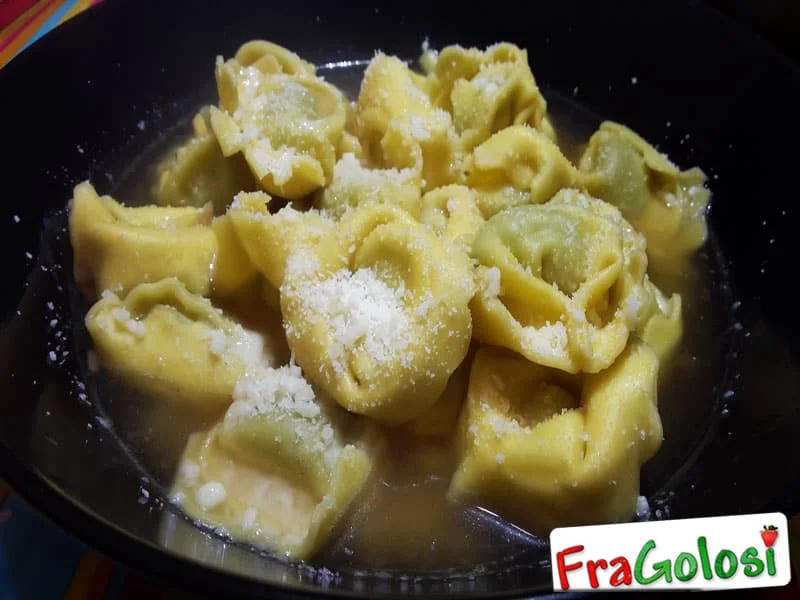
Tortellini in broth is a comforting Italian soup of small, meat-filled pasta cooked and served in a clear beef broth. Making the pasta and filling from scratch takes time, but the result is a satisfying centrepiece for a special meal.
Ingredients
- 400 g, plus extra for dustingplain flour
- 4 largeeggs
- 50 gmild cured ham
- 50 gmortadella
- 100 gminced pork
- 100 gminced veal
- 50 gsausage, casing removed
- to tastedry white wine
- 100 ggrated Parmesan
- 1 largeegg
- 1 pinchnutmeg
- 1 knobbutter
- 1 kgbeef, cut into pieces
- 2potatoes
- 1onion
- 2carrots
- 2 stickscelery
- 2tomatoes
- a few stalksparsley, leaves removed
- 1bay leaf
- to tastesalt
Instructions
- 1
Make the broth
Clean, wash and cut the vegetables into pieces. Put them in a large pan with 3 litres of lightly salted water and bring to the boil. Add the beef as soon as the water boils, then simmer very gently with the pan partly covered for about 3 hours. Remove the potatoes as soon as they are cooked, and occasionally skim off surface fat with a fine-mesh skimmer.
- 2
Strain the broth
When the beef is cooked, set the meat and vegetables aside, then strain the broth through a fine sieve. While the beef cooks, start the pasta: sift the flour onto a work surface and mound it into a well. Pour the previously beaten eggs into the centre, then gradually draw in the flour, first with a fork and then with your hands.
- 3
Knead the dough
Knead for about 15 minutes, lightly flouring the work surface from time to time, until the dough is firm and smooth. Wrap it in cling film and leave it to rest for at least 30 minutes. Meanwhile, remove the sausage casing and finely chop the sausage.
- 4
Cook the filling
Melt the butter in a frying pan. Once it starts to melt, add the sausage and minced pork and veal. Cook for a few minutes to seal the meat, then deglaze with white wine. Let the wine evaporate, season the meat lightly with salt, remove it from the heat and drain away the cooking liquid. Leave the meat to cool.
- 5
Mix the filling
Cut the cured ham and mortadella into small pieces. Mince them together with the cooked meats using a mincer or food processor. Transfer the mixture to a bowl, add the grated Parmesan, egg and a pinch of nutmeg, then mix thoroughly. Once the dough has rested, knead it again for a few minutes and roll it out with a rolling pin or pasta machine until very thin, almost translucent.
- 6
Cut the pasta
Cut the pasta sheet into vertical strips, then cut the strips into squares about 3–4 cm across. Put a scant half-teaspoon of filling in the centre of each square. Keep the squares covered with a clean tea towel so the pasta does not dry out, uncovering only the ones you are shaping.
- 7
Shape the tortellini
Fold each square diagonally into a triangle and press around the filling to push out the air. Seal the edges, lift the free point upwards, then hold the tortellino with its base down and bring the ends together into a ring around the index finger of your left hand. Press the join firmly so it stays closed during cooking.
- 8
Dry the pasta
Shape the remaining tortellini in the same way, placing them on a floured tray as you go. Leave them spaced apart in a cool place to dry for at least 30 minutes.
- 9
Cook in broth
Bring the beef broth back to the boil and cook the tortellini in it for 4–5 minutes. This timing is approximate, as it depends on the thickness of the pasta. Near the end of cooking, turn off the heat and leave the tortellini in the broth for a couple of minutes.
- 10
Serve immediately
The tortellini will continue cooking in the hot broth after the heat is off. Check the broth for salt, transfer the tortellini and broth to a soup tureen, and serve straight away.
What are tortellini in broth?
Tortellini in broth is a classic Italian first course, especially associated with Emilia-Romagna, where small rings of filled pasta are traditionally served in clear meat broth. The pasta is made by folding squares around a savoury filling and joining their ends into a ring.
This version layers a slowly simmered beef broth with tortellini filled with pork, veal, cured ham, mortadella and Parmesan. The long broth simmer and the rich, finely minced filling give the dish its deep, comforting character.
Nutrition and macros by portion
The nutrition label shows one serving as written: 760 calories, 44g protein, 79g carbs, 27g fat.
| Portion | Adjustment | kcal | Protein | Carbs | Fat |
|---|---|---|---|---|---|
| Lighter | Smaller tortellini portion | 532 kcal | 31g | 55g | 19g |
| This serving | As written | 760 kcal | 44g | 79g | 27g |
| Hungry | More tortellini and broth | 1140 kcal | 66g | 119g | 41g |
The flour and pasta eggs provide most of the carbohydrates, while butter, pork, sausage, cured meats and Parmesan contribute much of the fat. The beef, minced meats, eggs and Parmesan supply protein, and the cured meats and cheese also make sodium a notable part of the meal. Balance a bowl with a simple green salad or vegetables alongside.
A clear, flavoursome broth
Gentle cooking: Keep the broth at a very low simmer with the lid partly covering the pan. A hard boil can make it cloudy and cause the meat to break up.
Skimming: Remove fat from the surface occasionally with a fine-mesh skimmer. Straining the finished broth through a fine sieve helps leave it clear.
A firm pasta dough
Kneading: Work the flour and eggs for about 15 minutes, until the dough feels firm and smooth. Resting it for at least 30 minutes makes it easier to roll out.
Rolling: Aim for a very thin sheet, as directed in the method, so the pasta cooks quickly and the filling remains the focus. Keep unused squares covered while you shape each tortellino.
Keep the filling compact
Cooked meats: Brown the sausage and minced meats briefly, then let the wine evaporate and drain off the cooking liquid. Cooling the meat before mincing helps it combine more evenly with the cured meats.
Seasoning: Parmesan, cured ham and mortadella all contribute salt and savoury flavour. Season the cooked meat lightly, then taste the broth for salt at the end.
Seal each tortellino well
Air pockets: Fold each filled square into a triangle and press around the filling to push out trapped air. This helps the pasta hold its shape in the broth.
The join: Bring the ends together around your finger and press the join firmly. A well-sealed edge is less likely to open as the tortellini cook.
Watch the cooking time
Drying: Leave the shaped tortellini spaced apart on a floured tray in a cool place for at least 30 minutes, as the method specifies. This gives the pasta surface time to dry before it goes into the broth.
Finishing: Boil the tortellini for 4–5 minutes, adjusting for pasta thickness, then leave them in the hot broth for a couple of minutes off the heat. Serve promptly so they do not become too soft.
What to serve alongside
Keep accompaniments simple: a crisp green salad or lightly dressed vegetables can balance the richness of the filled pasta and broth. Serve the soup as the first course, or offer a modest portion of the reserved cooked beef and vegetables separately.
Recipe notes & tips
- Use a gentle simmer for the broth and skim the surface occasionally.
- Remove the potatoes from the broth as soon as they are cooked, as directed.
- Drain and cool the cooked filling before mincing it with the cured meats.
- Keep pasta squares covered and uncover them as you shape each tortellino.
- Press out air around the filling and seal each join firmly.
- Check the broth for salt just before serving, since the cured meats and Parmesan are already savoury.
Variations
- Use the reserved beef: Serve some of the cooked broth meat separately alongside the soup.
- Add extra Parmesan: Offer more grated Parmesan at the table for a sharper finish.
- Adjust the wine: Use only a little dry white wine to deglaze the filling, or leave it out if preferred.
- Make smaller tortellini: Cut smaller squares and use less filling in each one, keeping an eye on the cooking time.
- Serve with greens: Add a simple green salad on the side for freshness.
Common mistakes to avoid
- Boiling the broth hard: A vigorous boil can cloud it; keep it at a very gentle simmer.
- Leaving the pasta uncovered: The squares can dry before shaping; keep them under a clean tea towel.
- Overfilling the squares: Too much filling makes the edges difficult to seal; use a scant half-teaspoon.
- Trapping air: Air around the filling can make tortellini open during cooking; press it out before sealing.
- Skipping the rest: Unrested dough is harder to roll; leave it wrapped for at least 30 minutes.
- Overcooking the pasta: Tortellini continue cooking in the hot broth; turn off the heat after 4–5 minutes and rest them briefly.
How to store
Keep leftover tortellini and broth covered in the fridge and use within 2 days. Reheat gently in a pan until steaming, taking care not to boil the pasta for long. If storing uncooked tortellini, keep them separated on a tray and cook them soon after drying.
Frequently asked questions
Can I make the tortellini ahead?
Yes. Shape them, space them apart on a floured tray and leave them to dry for at least 30 minutes as directed. Cook them soon after, or freeze them separately on a tray before transferring to a suitable container.
How thin should I roll the pasta?
Roll it until it is very thin and almost translucent, as in the method. A thinner sheet cooks quickly and is easier to fold into small tortellini.
How do I know when the tortellini are cooked?
Start checking after 4 minutes; the stated 4–5 minutes is approximate and depends on the thickness of the pasta. Turn off the heat near the end and leave them in the hot broth for a couple of minutes.
Why do tortellini open while cooking?
They may have trapped air, too much filling or an insufficiently sealed join. Press around the filling to expel air and firmly pinch the edges together.
Can I use the broth vegetables?
The vegetables are set aside when the broth is strained, so they can be served separately if you like. The potatoes should be removed as soon as they are cooked.
Can I cook tortellini in water instead?
The method cooks them directly in the beef broth, which seasons the pasta as it cooks. For the intended dish, use the strained broth and check its salt before serving.
Cook it from the original
This recipe comes from fragolosi.it. Their page has the author’s own photos, notes and tips — the best place to cook it from.
Open the recipe on fragolosi.it