
Egg-free jam tart
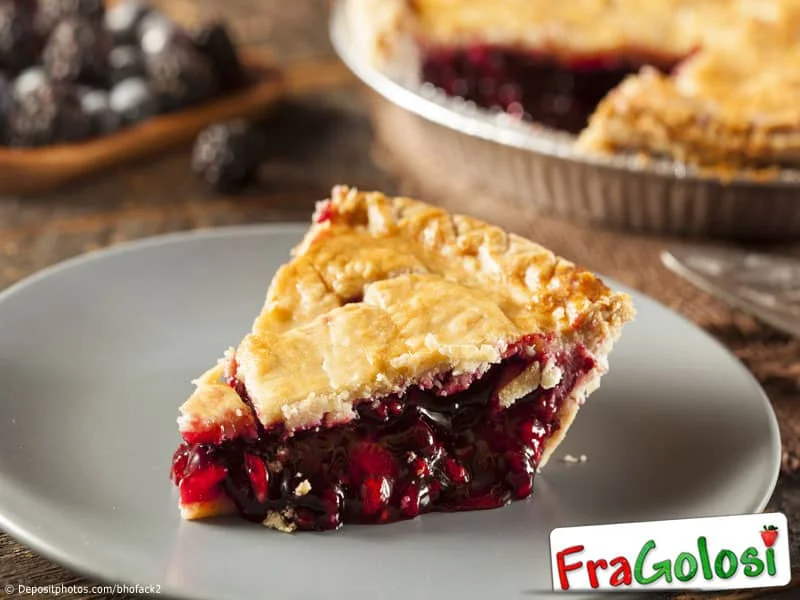
This Italian-style egg-free jam tart has a tender, buttery pastry wrapped around a generous layer of fruit jam. It is a useful bake when you want a simple homemade tart without eggs, with a pastry that can also be decorated using the leftover dough.
Ingredients
- 500 gplain flour
- 170 gsugar
- 100 gmelted butter
- 2 tablespoonsmilk
- 2 teaspoonsbaking powder
- zest of 1unwaxed lemon, finely grated
- 1 tablespoonoil
- 1 pinchsalt
- a few tablespoonscold water
- as neededjam
Instructions
- 1
Sift the dry ingredients
Sift the flour together with the baking powder into a bowl.
- 2
Combine the mixture
Add the melted butter, salt, grated lemon zest, oil and a few tablespoons of cold water to the bowl.
- 3
Bring the dough together
Mix until the ingredients come together. Turn the dough onto a floured work surface and knead it briefly until smooth and even.
- 4
Chill the dough
Shape the dough into a ball, flatten it slightly and wrap it in cling film. Chill for at least 1 hour.
- 5
Prepare the tin
Meanwhile, butter and flour a tart tin about 24 cm in diameter.
- 6
Fill the pastry case
Roll out two-thirds of the dough into a disc about 0.5 cm thick and line the tin. Spread a generous layer of jam inside.
- 7
Seal and decorate
Cover with a second disc made from the remaining dough and seal the edges well. Use any leftover dough to decorate the tart as you like.
- 8
Bake the tart
Bake in an oven preheated to 180°C for about 40 minutes.
- 9
Cool the tart
When baked, remove the tart from the oven and leave it to cool.
- 10
Transfer to a plate
Take the cooled egg-free jam tart out of the tin and transfer it to a serving plate.
What is an egg-free jam tart?
A jam tart is a pastry bake filled with fruit preserve, and this version uses a simple dough made without eggs. It belongs to the familiar Italian crostata tradition, where a pastry shell and fruit filling are often finished with strips or shapes of dough.
Here, melted butter and oil help form a soft, workable pastry, while lemon zest brings a fresh note to the sweet filling. The method keeps the dough handling brief, which helps it stay tender.
Nutrition and macros by portion
The nutrition label shows one serving as written: 510 calories, 6g protein, 89g carbs, 12g fat.
| Portion | Adjustment | kcal | Protein | Carbs | Fat |
|---|---|---|---|---|---|
| Lighter | Use a thinner jam layer | 357 kcal | 4g | 62g | 8g |
| This serving | As written | 510 kcal | 6g | 89g | 12g |
| Hungry | Serve a larger slice | 765 kcal | 9g | 134g | 18g |
The flour and sugar provide most of the carbohydrates, while butter and oil account for much of the fat; flour contributes some protein. Jam adds further carbohydrate and sugar, so serve a slice with plain yoghurt or fruit for a more balanced plate.
The pastry ingredients
Flour and baking powder: sifting them together distributes the raising agent through the flour and helps avoid lumps.
Butter and oil: melted butter gives the dough richness, while a little oil contributes to its pliable texture.
Lemon zest: use an unwaxed lemon and grate only the coloured outer peel for a fragrant citrus flavour.
Bring the dough together gently
Cold water: add it a little at a time as you combine the ingredients; the dough should come together without becoming sticky.
Brief kneading: work the dough only until it looks smooth and even. Prolonged kneading can make the pastry tougher.
Allow time to chill
Resting: the recipe calls for at least 1 hour in the fridge, even though the stated total time is 60 minutes. Allow extra time for chilling before you plan to roll and bake the tart.
Rolling: if the chilled dough feels firm, give it a short rest at room temperature until it is easier to roll without cracking.
Fill and seal the tart
Pastry base: use about two-thirds of the dough to line the 24 cm tin, keeping the pastry roughly 0.5 cm thick.
Jam layer: spread a generous layer across the base, but avoid overfilling so it does not spill over the edges during baking.
Top and edges: cover with the remaining dough and press the edges together firmly. Scraps can be shaped into a simple decoration.
Check the bake
Oven: bake at 180°C for about 40 minutes, as directed. The exact time can vary with the tin and oven, so begin checking towards the end of baking.
Doneness: look for pastry that is set and lightly golden. Let the tart cool before moving it, as the jam and pastry are delicate while hot.
Serving ideas
The tart is easy to slice once completely cool and works well as a simple dessert or with tea or coffee. A spoonful of yoghurt alongside can add a tangy contrast to the sweet jam.
Choose a jam whose flavour complements the lemon zest, such as apricot, cherry or berry preserve.
Recipe notes & tips
- Measure the flour accurately so the dough does not become too dry.
- Add the cold water gradually and stop once the dough holds together.
- Flour the work surface lightly to make rolling easier without adding excess flour to the pastry.
- Use a jam that spreads easily, and leave a small margin around the edge of the pastry base.
- Cool the tart fully before transferring it to a serving plate.
- Use the pastry scraps to make simple shapes rather than reworking them repeatedly.
Variations
- Apricot filling: use apricot jam for a mellow, fruity centre.
- Berry filling: choose raspberry or mixed-berry jam for a sharper contrast.
- Citrus note: add a little extra finely grated lemon zest for a brighter pastry aroma.
- Decorative top: cut leftover dough into strips or small shapes and arrange them over the tart.
- Mixed preserves: combine two compatible jams for a different fruit flavour.
Common mistakes to avoid
- Adding too much water: the dough can turn sticky; add it gradually and stop when the mixture comes together.
- Overworking the pastry: this can make it less tender; knead only until smooth.
- Skipping the chill: warm dough is harder to roll; chill it for at least 1 hour as directed.
- Overfilling with jam: filling can escape at the edges; spread a generous but even layer and keep it within the pastry case.
- Leaving the edges unsealed: the top may lift during baking; press the pastry edges together firmly.
- Moving the tart while hot: it may break; let it cool before removing it from the tin.
How to store
Once completely cool, store the tart covered at room temperature for up to 3 days, or refrigerate it for up to 5 days. Bring slices to room temperature before serving, or warm them briefly in a low oven.
Frequently asked questions
Why does the dough need to chill?
Chilling gives the dough time to firm up, making it easier to roll and shape. The recipe specifies at least 1 hour.
Can I use any flavour of jam?
Yes. Choose a smooth, spreadable jam that you enjoy; apricot, cherry and berry flavours all suit the lemon-scented pastry.
How thick should the pastry be?
The recipe specifies a disc about 0.5 cm thick for lining the tin.
How do I know when the tart is baked?
Bake for about 40 minutes at 180°C and look for pastry that is set and lightly golden. Allow it to cool before handling.
Is the tart completely egg-free?
The listed ingredients contain no eggs. Check the labels on your flour, baking powder and jam if you need to avoid possible traces.
Why is the total time shorter than the method?
The stated total time is 60 minutes, but the method also calls for at least 1 hour of chilling, followed by about 40 minutes of baking. Plan extra time for the chill and cooling.
Cook it from the original
This recipe comes from fragolosi.it. Their page has the author’s own photos, notes and tips — the best place to cook it from.
Open the recipe on fragolosi.it