
Sachertorte
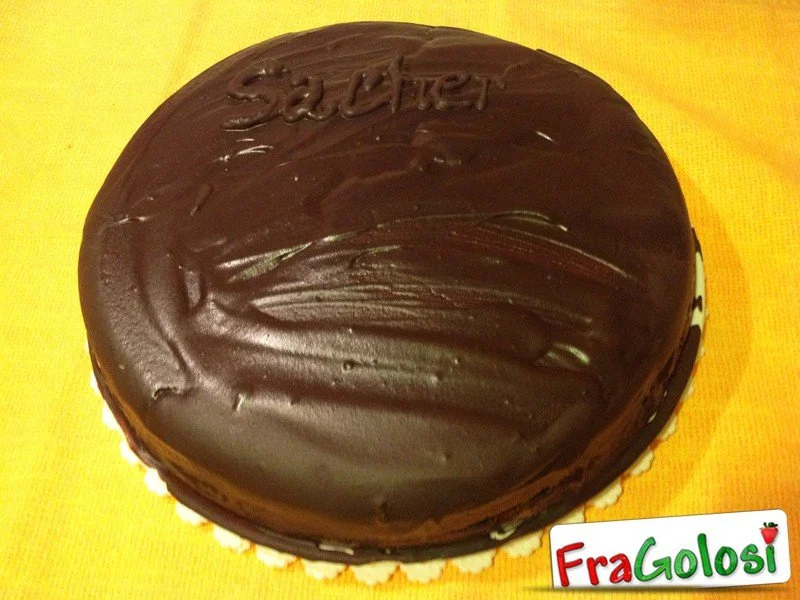
Sachertorte is a rich Austrian chocolate cake layered with apricot jam and finished with a glossy chocolate-and-cream glaze. It makes a special-occasion dessert, with a tender, airy sponge balancing the smooth, sweet filling and coating.
Ingredients
- 50 gplain flour
- 35 gground almonds
- 85 gsoftened butter
- 25 gicing sugar
- 4egg yolks
- 4egg whites, at room temperature
- 120 gcaster sugar
- seeds from ½ podvanilla pod
- 100 g60% dark chocolate
- 1 small pinchsalt
- 100 gwater
- 150 gsugar
- 15 ml (1 tablespoon)vanilla liqueur, or another liqueur
- 20 gbutter, for the tin
- 20 gflour, for the tin
- 200 gsmooth apricot jam
- 500 gdark chocolate for coating
- 330 mldouble cream
Instructions
- 1
Prepare the chocolate
Heat the oven to 175°C, using conventional heat. Split the vanilla pod lengthways, scrape out the seeds from half and set them aside. Chop the dark chocolate and melt it over a bain-marie or in the microwave. Beat the softened butter with the icing sugar, vanilla seeds and a tiny pinch of salt until well combined.
- 2
Beat the eggs
Beat the egg yolks into the butter mixture one at a time. Once they are incorporated, slowly pour in the melted chocolate while mixing. In a separate large, clean bowl, whisk the egg whites until nearly stiff, then gradually add the caster sugar and whisk until firm peaks form.
- 3
Fold in the flour
Fold the egg whites into the butter and yolk mixture in 2–3 additions, using a gentle lifting motion to keep the mixture airy. Sift in both flours and fold until evenly combined.
- 4
Bake the sponge
Grease and flour a 20 cm springform tin. Add the cake mixture and bake for about 30–40 minutes. Test the centre with a skewer before removing the cake: it should come out completely dry. If needed, bake for a few more minutes, then take the cake out of the oven and leave it to cool.
- 5
Make the syrup
When the cake is cool, remove it from the tin and turn it upside down. Use a serrated knife to cut it horizontally into two equal layers. For the syrup, put the water and sugar in a small pan, stir and bring to the boil over a moderate heat. Simmer for 3–4 minutes, then remove from the heat and leave to cool. Stir in the liqueur, then moisten the bottom cake layer with the syrup.
- 6
Fill the cake
Spread the apricot jam over the moistened bottom layer with a palette knife. Place the second cake layer on top and moisten it with the remaining syrup. Put the assembled cake in the fridge. For the coating, finely chop or grate the chocolate, then gently heat the cream in a saucepan.
- 7
Make the glaze
As soon as the cream reaches boiling point, take it off the heat and add the chopped chocolate. Stir with a wooden spoon for about 4–5 minutes, until the chocolate has melted completely and the glaze is smooth, creamy and glossy.
- 8
Check the glaze
Drop a teaspoonful of glaze into a glass of cold water to check its consistency. If it sets and thickens, it is ready to use. Take the cake out of the fridge, place it on a wire rack and pour the glaze over the top so it runs across the surface.
- 9
Coat the sides
Use a palette knife to spread glaze over the sides, collecting any that falls onto the tray beneath the rack and reusing it as needed. Return the cake to the fridge to set. Meanwhile, fill a small paper piping cone with some of the glaze.
- 10
Finish and chill
Take the cake out of the fridge and pipe “Sacher” on top. Return it to the fridge for 3–4 hours before serving. Serve it on its own or with chantilly cream or simply whipped cream.
What is Sachertorte?
Sachertorte is an Austrian chocolate cake traditionally associated with Vienna. Its defining combination is chocolate sponge, apricot jam and a smooth chocolate coating.
This version uses ground almonds as well as plain flour in the sponge, and a sugar syrup with a little liqueur to moisten the layers. Whipped egg whites help keep the rich cake mixture light enough to slice cleanly.
Nutrition and macros by portion
The nutrition label shows one serving as written: 850 calories, 10g protein, 90g carbs, 50g fat.
| Portion | Adjustment | kcal | Protein | Carbs | Fat |
|---|---|---|---|---|---|
| Lighter | Smaller cake slice | 595 kcal | 7g | 63g | 35g |
| This serving | As written | 850 kcal | 10g | 90g | 50g |
| Hungry | Larger cake slice | 1275 kcal | 15g | 135g | 75g |
The sponge and syrup get much of their carbohydrate from the flours and sugar, while butter, egg yolks, chocolate and cream contribute much of the fat. Eggs, almonds and cream also provide some protein. Serve a slice with fresh fruit or after a lighter meal if you want to balance the richness.
The sponge ingredients
Chocolate and butter: Melt the chocolate gently and beat it into the butter mixture only after the yolks have been incorporated. The recipe uses 60% chocolate in the sponge for a clear cocoa flavour.
Flour and almonds: Sift the two flours together into the mixture at the end. Folding them in gently helps avoid knocking out the air from the egg whites.
Keep the mixture airy
Egg whites: Use a clean bowl with no trace of yolk, and whisk the whites until firm peaks form after adding the caster sugar. Fold them into the chocolate mixture in 2–3 batches rather than stirring them in all at once.
Folding: Use a broad, gentle movement from the bottom of the bowl upwards. Stop as soon as the mixture looks even, since prolonged mixing can deflate it.
Check the sponge is baked
Timing: Bake at 175°C for about 30–40 minutes, as the recipe directs. The exact time can vary, so begin checking towards the earlier end of the range.
Doneness: Test the centre with a skewer; it should come out completely dry. Let the cake cool before cutting, so the layers are less likely to crumble.
Layer with jam and syrup
Syrup: Simmer the water and sugar for 3–4 minutes, then cool the syrup before stirring in the liqueur. Moisten the layers without soaking them so the cake stays easy to handle.
Apricot jam: Smooth jam without fruit pieces spreads evenly between the layers. If the jam is too firm to spread neatly, stir it until smooth before adding it.
Get a smooth chocolate coating
Ganache: Take the cream off the heat as soon as it reaches boiling point, then add the chopped chocolate. Stir for 4–5 minutes until the glaze is glossy and no pieces of chocolate remain.
Coating: Set the chilled cake on a rack over a tray and pour the glaze across the top. Use a palette knife to cover the sides, then let the coating set in the fridge.
Serving and timing
Plan for the cooling and chilling as well as the oven time: the cake needs to cool before splitting, and the finished cake needs 3–4 hours in the fridge before serving.
Serve the cake plain, or accompany it with chantilly cream or whipped cream. Cut it with a sharp knife, wiping the blade between slices for tidier portions.
Recipe notes & tips
- Bring the egg whites to room temperature before whisking, as specified in the ingredient list.
- Use a 20 cm springform tin and grease and flour it evenly so the sponge releases cleanly.
- Let the sponge cool completely before cutting it into layers.
- Cool the syrup before mixing in the liqueur.
- Chop the coating chocolate finely so it melts evenly in the hot cream.
- Keep the cake chilled for the full 3–4 hours after piping the lettering.
Variations
- Change the liqueur: Use another liqueur in the syrup, as suggested in the recipe.
- Serve with chantilly: Add a spoonful of chantilly cream alongside each slice.
- Serve with whipped cream: Keep the accompaniment simple with freshly whipped cream.
- Use a different jam: Replace the apricot jam with another smooth jam for a different fruit note.
- Adjust the chocolate: Choose a dark chocolate with a similar cocoa strength for the coating.
Common mistakes to avoid
- Overbeating after folding: The sponge can lose air; stop as soon as the flour and whites are evenly incorporated.
- Cutting while warm: Warm cake can crumble; wait until it has cooled before making the layers.
- Adding liqueur to hot syrup: The flavour can be lost in the heat; cool the syrup first.
- Boiling the cream for too long: It can make the glaze harder to handle; take it off the heat as soon as it boils.
- Pouring glaze onto an unchilled cake: The coating may not set as neatly; chill the filled cake before glazing.
- Serving before the glaze sets: The finish may still be soft; chill the completed cake for 3–4 hours.
How to store
Keep the finished cake covered in the fridge and eat within 3 days. Bring slices to room temperature before serving for a softer texture; the recipe does not specify reheating.
Frequently asked questions
Can I make Sachertorte ahead?
Yes. The recipe already calls for 3–4 hours of chilling after the cake is finished, and you can make it ahead and keep it covered in the fridge.
How do I know when the sponge is done?
After about 30–40 minutes at 175°C, test the centre with a skewer. It should come out completely dry; if it does not, bake for a few more minutes and test again.
Can I use jam with fruit pieces?
The recipe calls for smooth apricot jam without pieces so it spreads into an even layer. Use smooth jam for the closest result.
Why did my egg whites lose volume?
A trace of yolk or grease in the bowl can make whites harder to whip, and vigorous mixing when folding can deflate them. Use a clean bowl and fold gently in several additions.
How do I get the glaze over the sides?
Place the chilled cake on a wire rack over a tray and pour the glaze over the top. Use a palette knife to spread it around the sides, reusing glaze collected on the tray.
What should I serve with Sachertorte?
It can be served on its own, as the recipe suggests, or with chantilly cream or plain whipped cream.
Cook it from the original
This recipe comes from fragolosi.it. Their page has the author’s own photos, notes and tips — the best place to cook it from.
Open the recipe on fragolosi.it