
Chicken Braised In Coconut Milk (Opor Ayam)
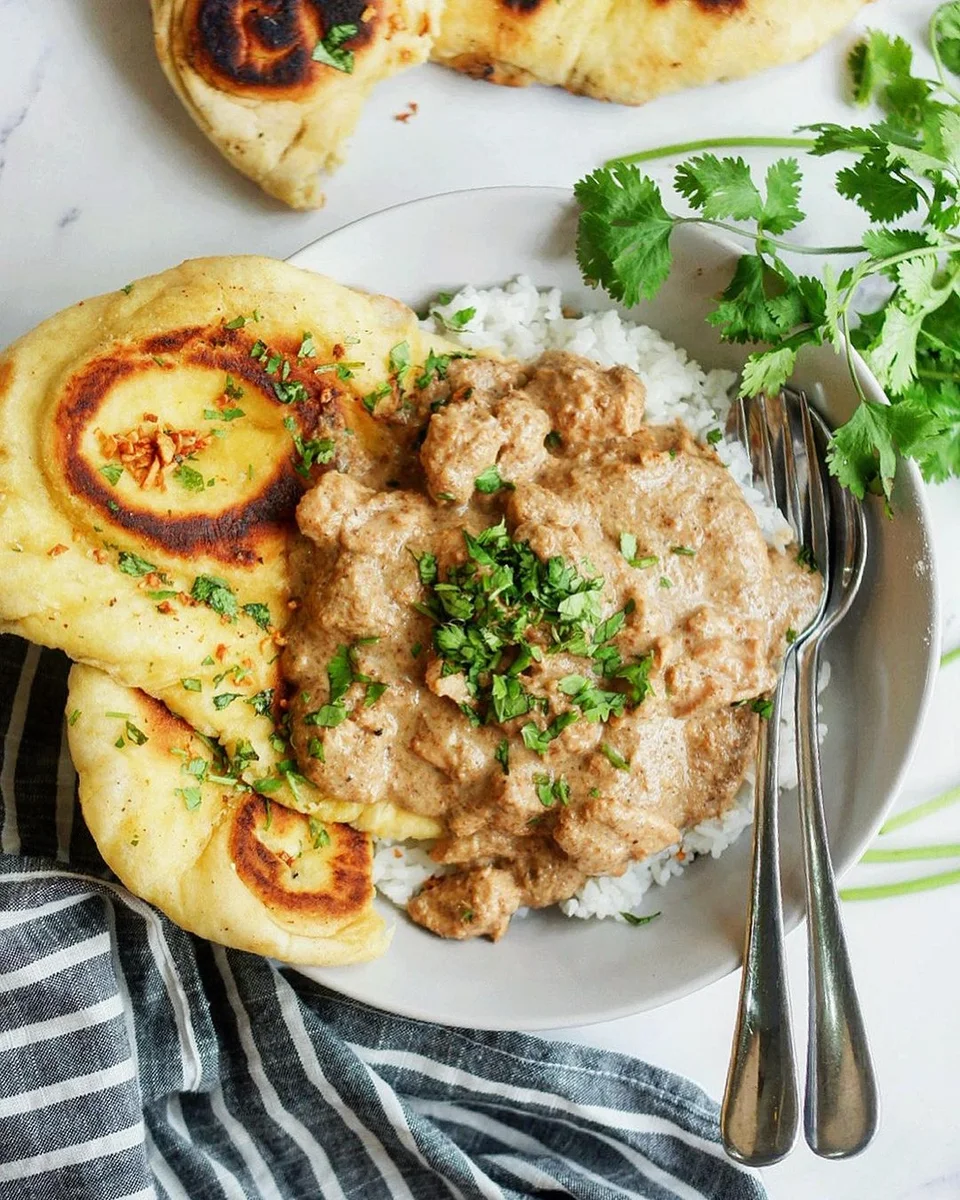
Opor ayam is chicken gently braised in a fragrant coconut sauce, then thickened with toasted ground coconut. This version layers ginger, galangal, aromatic spices and a touch of palm sugar for a rich, savoury dish to serve with rice or naan.
Ingredients
- 800 gmixed boneless chicken breast and thighs, cut into bite-sized pieces, or 1 kg whole chicken, cut into pieces
- 200 mlinstant coconut cream
- 300–500 mlwater
- 2cloves
- 1/2 stickcinnamon
- 1 mediumcoconut, grated
- 1 1/2 tbsppalm sugar
- 1 tspwhite sugar
- 2–3 tspsalt, to taste
- 1/2 tspwhite or black pepper
- 3garlic cloves
- 10small shallots
- 2 thumb-sized piecesginger
- 1 thumb-sized piecegalangal
- 2 thumb-sized pieceskencur (aromatic ginger)
- 2 tspground coriander
- 2 tspoil
- 2 tbspwater
Instructions
- 1
Toast the coconut
Heat a non-stick pan over medium-low heat. Add the grated coconut and dry-toast it, stirring often, until fragrant and golden brown.
- 2
Grind the coconut
Transfer the toasted coconut to a food processor or chopper and blend until smooth and powdery. It should make almost 1 cup.
- 3
Blend the spices
Put the garlic, shallots, ginger, galangal, kencur, ground coriander, oil and 2 tablespoons of water in a food processor. Blend to a smooth paste.
- 4
Combine the sauce
In a large, deep pan, combine the coconut cream, 300–500 ml water, spice paste, cloves, cinnamon, palm sugar, salt, white sugar and pepper.
- 5
Simmer with chicken
Bring the mixture to a simmer over medium-low heat. Add the chicken pieces and stir frequently.
- 6
Cook the chicken
Cook boneless chicken pieces for 10–15 minutes. If using whole chicken, cook for 20–30 minutes, until cooked through and the thickest part reaches 74°C (165°F).
- 7
Thicken and serve
Stir in the toasted ground coconut and cook until most of the liquid has evaporated and the sauce is thick and creamy. Turn off the heat and serve with hot steamed rice or naan.
What is opor ayam?
Opor ayam is an Indonesian chicken dish braised in a gently spiced coconut sauce. It is especially associated with Javanese cooking and is often served at festive meals alongside rice or other dishes.
This version builds flavour with a blended spice paste and finishes with toasted, ground coconut. The coconut thickens the sauce and gives it a deeper, roasted flavour.
Nutrition and macros by portion
The nutrition label shows one serving as written: 850 calories, 55g protein, 30g carbs, 60g fat.
| Portion | Adjustment | kcal | Protein | Carbs | Fat |
|---|---|---|---|---|---|
| Lighter | Use less coconut cream | 595 kcal | 39g | 21g | 42g |
| This serving | As written | 850 kcal | 55g | 30g | 60g |
| Hungry | Serve with extra rice | 1275 kcal | 83g | 45g | 90g |
Chicken provides most of the protein, while the coconut cream and grated coconut contribute much of the fat and energy. The sugars and aromatics supply smaller amounts of carbohydrate; serving the curry with rice or naan adds more. Pair a portion with vegetables and choose a moderate serving of rice or naan to balance the plate.
Why toast the coconut?
Even toasting: Keep the heat at medium-low and stir frequently so the grated coconut dries and turns golden without scorching. Its fragrance is a useful cue that it is ready to grind.
Fine texture: Blend the cooled toasted coconut until powdery, as directed. A fine grind disperses more evenly through the sauce than large flakes.
Building the spice paste
Fresh aromatics: Garlic, shallots, ginger, galangal and kencur form the base of the paste. Blend them with the coriander, oil and measured water until no large pieces remain.
Coconut cream: The cream gives the braising liquid its richness, while the additional water lets the chicken simmer. Start within the stated range and use the final amount according to how much liquid your pan needs.
Getting the chicken tender
Boneless pieces: Bite-sized breast and thigh pieces cook relatively quickly, so begin checking them at 10 minutes. Stir regularly to help them cook evenly in the coconut mixture.
Whole chicken: Larger pieces take longer; allow 20–30 minutes and check the thickest part for 74°C. Avoid relying on the outside colour alone to judge doneness.
Finishing the sauce
Add the ground coconut after the chicken has cooked, then let the sauce reduce until thick and creamy. Stir as it reduces so the coconut does not settle and catch on the bottom of the pan.
The finished sauce should coat the chicken rather than look watery. Take the pan off the heat once most of the liquid has evaporated.
What to serve alongside
Steamed rice is a natural partner for the creamy sauce and makes the dish a filling meal. Naan is another serving option given in the recipe.
For a more varied plate, add a simple vegetable side such as steamed greens or cucumber. Keep the side lightly dressed so it does not compete with the spiced coconut sauce.
Recipe notes & tips
- Stir the grated coconut often while toasting so it colours evenly.
- Use a food processor to make a smooth spice paste with the measured oil and water.
- Add the chicken only once the coconut mixture has reached a simmer.
- Check boneless chicken pieces from 10 minutes and whole chicken from 20 minutes.
- Stir regularly after adding the ground coconut to prevent the sauce catching.
- Adjust the water within the stated 300–500 ml range to suit the amount of chicken and your pan.
Variations
- Choose whole chicken: Cut it into pieces and allow 20–30 minutes of cooking.
- Use boneless pieces: A mix of breast and thighs cooks in 10–15 minutes.
- Adjust the heat: Use white or black pepper according to your preference.
- Make it less sweet: Reduce either sugar to taste while keeping the palm sugar and white sugar in mind.
- Serve with naan: Use naan instead of steamed rice as the recipe suggests.
Common mistakes to avoid
- Scorching the coconut: Toast over medium-low heat and stir frequently until golden, not dark brown.
- Leaving large pieces in the paste: Blend the aromatics until the mixture is smooth before adding it to the pan.
- Guessing chicken doneness: Check the thickest part of whole chicken for 74°C rather than relying on appearance.
- Adding coconut too early: Stir in the toasted ground coconut after the chicken has cooked, as directed.
- Letting the sauce catch: Stir frequently as it reduces, especially after adding the ground coconut.
- Reducing too far: Take the pan off the heat when the sauce is thick and creamy, before it dries out.
How to store
Refrigerate leftovers in a covered container and use within 3 days. Reheat gently in a pan until piping hot, adding a splash of water if the sauce has thickened too much; stir as it warms.
Frequently asked questions
Can I use only chicken breast or only thighs?
Yes. Either can be used in the 800 g boneless option, though cooking time can vary with the size of the pieces. Check that the chicken is cooked through.
Can I use whole chicken instead of boneless pieces?
Yes. The recipe gives 1 kg of cut whole chicken as an alternative; allow 20–30 minutes of cooking and check the thickest part reaches 74°C.
How much water should I use?
The recipe allows 300–500 ml. Use an amount that gives the chicken enough liquid to simmer, then reduce the sauce to a thick, creamy consistency.
What is kencur?
Kencur is an aromatic rhizome, also known as aromatic ginger. It is distinct from the ginger and galangal listed in the recipe.
Can I make the toasted coconut ahead?
Yes. Toast and grind it ahead, then keep it in a sealed container until you are ready to cook. Add it to the pan at the finishing stage.
What should I serve with opor ayam?
Serve it with hot steamed rice or naan. A simple vegetable side can add freshness alongside the rich sauce.
Cook it from the original
This recipe comes from fooooods.com. Their page has the author’s own photos, notes and tips — the best place to cook it from.
Open the recipe on fooooods.com