
Avocado jam
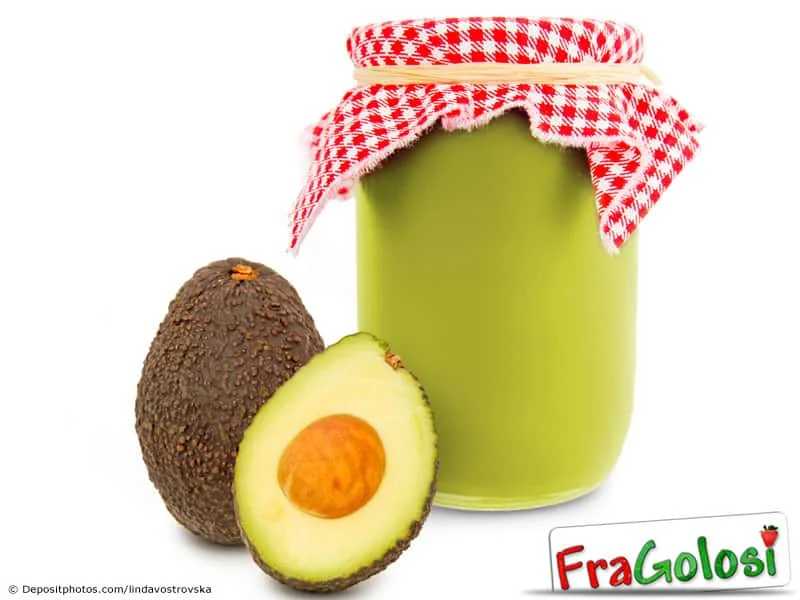
Avocado jam is a smooth, sweet preserve made by simmering avocado with sugar, lemon and vanilla. The fruit’s mild flavour makes a distinctive spread for toast, pastries or a cheese board.
Ingredients
- 1 kg net weightavocado flesh
- 900 ggranulated sugar
- 1 sachetvanillin
- 1lemon
Instructions
- 1
Prepare the avocado
Peel the avocados, halve them and remove the stones. Cut the flesh into small pieces, put it in a bowl and coat it well with the juice of 1 lemon.
- 2
Macerate and simmer
Stir in the sugar and leave the mixture to macerate for 12 hours. Transfer it to a large, high-sided, heavy-based pan, add the vanillin and stir. Bring it to a gentle heat, skim off any foam and stir often with a wooden spoon. Cook for just over 1 hour.
- 3
Blend and test
Halfway through cooking, blend the mixture with a hand blender, then continue cooking until it reaches the right thickness. To test it, spoon a little jam onto a cold saucer and tilt the saucer.
- 4
Check the texture
If the jam thickens and does not run when you tilt the saucer, it is ready. If it still flows, cook it for a few more minutes and test again.
- 5
Sterilise the jars
When the jam is cooked, take the pan off the heat. The recipe calls for glass jars and lids to be boiled together for 20 minutes, then dried thoroughly before use.
- 6
Fill the jars
Fill the jars with hot jam, leaving a little space below the rim. Once they are filled, wipe the rims with a damp cloth.
- 7
Seal and cool
Tap the jars gently on the work surface to settle the jam and release any air bubbles. Seal them tightly and turn them upside down until completely cool, as directed in the recipe.
- 8
Water-bath the jars
Turn the jars upright and arrange them in a pan, separated by tea towels. Add cold water until it reaches 4–5 cm above the lids. Bring to the boil and simmer for 30–50 minutes, timing from when the water starts boiling. Leave the jars to cool in the water before removing them.
- 9
Label and store
When the water is cold, remove and dry the jars, then label them with the preparation date. The recipe suggests storing them in a cool, dark, dry place and waiting 30 days before eating.
What is avocado jam?
This Italian-style preserve turns avocado flesh into a sweet spread with lemon and vanilla. While the fruit is often used in savoury dishes, its soft texture and mild flavour also suit a jam.
Sugar sweetens the fruit and lemon adds brightness. Blending partway through cooking helps make this version smooth.
Nutrition and macros by portion
The nutrition label shows one serving as written: 1300 calories, 5g protein, 248g carbs, 37g fat.
| Portion | Adjustment | kcal | Protein | Carbs | Fat |
|---|---|---|---|---|---|
| Lighter | Use a smaller spoonful | 910 kcal | 4g | 174g | 26g |
| This serving | As written | 1300 kcal | 5g | 248g | 37g |
| Hungry | Serve with extra toast | 1950 kcal | 8g | 372g | 56g |
Most of the carbohydrates and sugars come from the granulated sugar, while avocado contributes most of the fat and fibre, along with some protein. Pair a small spoonful with plain yoghurt or toast and fresh fruit for a more balanced serving.
Choose and prepare the fruit
Ripe avocado: use fruit that gives slightly when pressed but is not bruised or stringy. The stated 1 kg is the net weight of the flesh, after peeling and removing the stones.
Lemon juice: coat the cut avocado promptly to limit browning and bring a fresh note to the sweet mixture.
Macerate before cooking
Sugar rest: allow the avocado and sugar to stand for 12 hours as directed. This gives the sugar time to draw moisture from the fruit before the pan goes on the heat.
Gentle heat: use a large, heavy-based pan and stir frequently. Skim away foam as it appears so it does not mix back into the preserve.
Blend and judge the set
Midway blend: purée the mixture halfway through cooking, taking care around the hot contents. This breaks down the pieces and helps create a more even consistency.
Cold saucer: put a small spoonful on a chilled saucer and tilt it. If it holds its place rather than running, the jam is ready; otherwise, cook a little longer and test again.
Jar handling and food safety
Clean jars: the method specifies boiling jars and lids for 20 minutes and drying them thoroughly. Fill them while the jam is hot, leaving a little headspace, and wipe the rims before sealing.
Canning caution: avocado is a low-acid ingredient, and the recipe’s water-bath instructions do not establish that the jars are safe for room-temperature storage. For a cautious home approach, refrigerate the finished jam promptly and do not rely on the inversion or boiling steps to make it shelf-stable.
Ways to serve it
Breakfast: spread a little on toast, plain scones or warm bread. Its sweetness also works as a filling for simple cakes or pastries.
Cheese board: serve a small spoonful alongside a mild cheese for a sweet contrast. Keep portions modest, as the recipe contains nearly as much sugar as avocado by weight.
Recipe notes & tips
- Weigh the avocado flesh after removing the skin and stones to match the stated net quantity.
- Stir often over gentle heat to reduce the chance of the sugary mixture catching on the pan.
- Use a cold saucer for the set test and return the jam to the heat if it still runs.
- Blend carefully, as hot jam can splatter.
- Leave a little space below each jar’s rim and wipe the rim clean before sealing.
- Label jars with the date so you can keep track of when they were made.
Variations
- Extra lemon: add finely grated lemon zest for a more pronounced citrus note.
- Warm spice: add a pinch of cinnamon while the mixture simmers.
- Vanilla bean: use vanilla seeds in place of the vanillin for a different vanilla aroma.
- Chunkier texture: blend for less time to leave some small pieces of avocado.
- Citrus mix: replace some of the lemon juice with lime juice for a sharper flavour.
Common mistakes to avoid
- Skipping the maceration: the recipe calls for a 12-hour rest, so allow time for it before cooking.
- Cooking too fiercely: high heat can make the sugary mixture catch; keep it gentle and stir often.
- Skipping the saucer test: judge the set with a small amount on a cold saucer rather than relying only on cooking time.
- Filling dirty rims: wipe each rim with a damp cloth before putting the lid on.
- Assuming the jars are shelf-stable: this recipe’s water-bath method does not establish safe room-temperature storage for low-acid avocado; refrigerate the jam.
How to store
Because avocado is low in acid and this recipe’s processing method does not establish safe shelf-stable storage, refrigerate the jars promptly rather than keeping them in a cupboard. Keep opened jam refrigerated and use clean utensils; discard it if you notice mould, an off smell or other signs of spoilage. The recipe recommends waiting 30 days before eating, but that is not a safety guarantee.
Frequently asked questions
How long does avocado jam take to make?
The recipe includes 12 hours of maceration, followed by just over 1 hour of cooking, plus time for jar preparation and processing. Its stated total time of 70 minutes does not include the maceration period.
How do I know when the jam is thick enough?
Put a small amount on a cold saucer and tilt it. If it thickens and does not run, it is ready; if it flows, cook it for a few more minutes and test again.
Can I leave out the sugar?
The sugar is a major ingredient in this recipe and changing its amount can alter the flavour and texture. This recipe does not provide a tested reduced-sugar version.
Does avocado jam need to be refrigerated?
Yes, use refrigeration as the cautious storage choice. Avocado is low in acid, and the recipe’s water-bath instructions do not confirm that the jam is safe to store at room temperature.
Why blend the jam halfway through cooking?
Blending breaks down the avocado pieces and makes the finished preserve smoother. Take care to avoid splashes from the hot mixture.
Cook it from the original
This recipe comes from fragolosi.it. Their page has the author’s own photos, notes and tips — the best place to cook it from.
Open the recipe on fragolosi.it