
Creamy Tuna Pasta
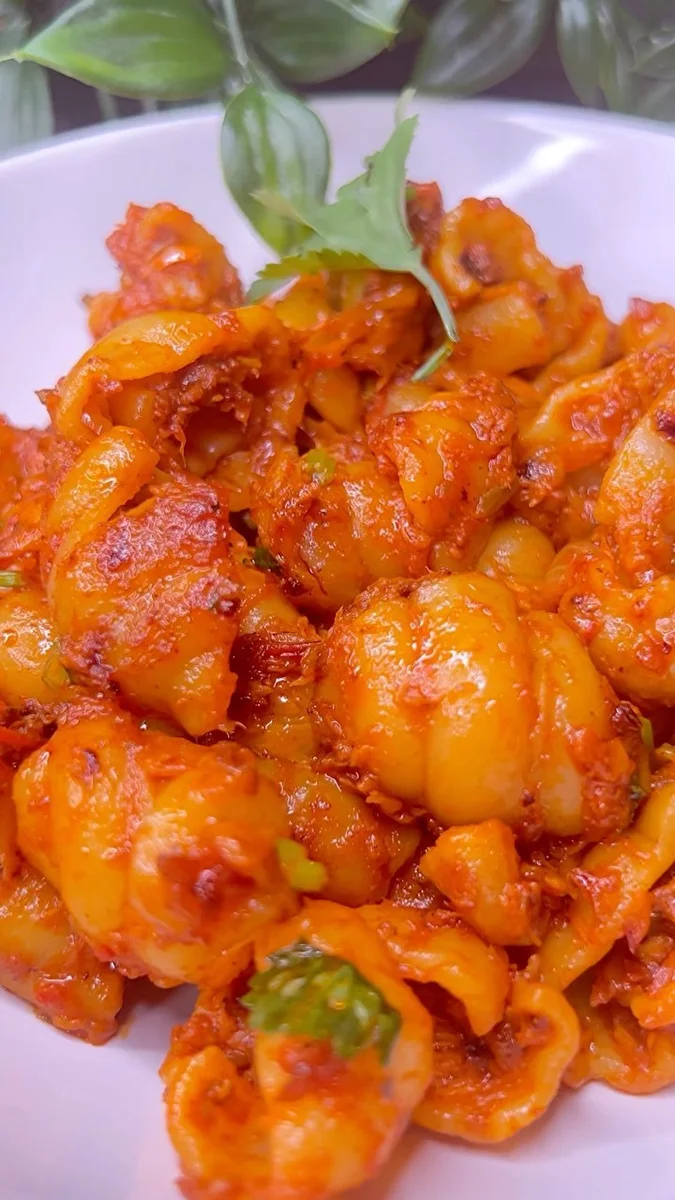
Creamy tuna pasta combines pasta, tuna and a creamy tomato sauce with warm spices and melted cheese. It makes a filling, straightforward meal, finished with fresh coriander.
Ingredients
- 150 g (1.5 cups)pasta of your choice
- 1 tbspoil
- 1.5, choppedonions
- to tastesalt
- 1/2 tspground cumin
- 1/2 tspturmeric
- 1/2 tspchilli powder
- 1 small cantuna
- 1/2 jarcreamy tomato and herb pasta sauce
- 1 tsp (optional)Naga pickle
- 150 g (1.5 cups)shredded cheese, such as Red Leicester
- 1 handfulcoriander, to garnish
Instructions
- 1
Cook the pasta
Boil the pasta, then drain it and set it aside.
- 2
Soften the onion
Heat the oil in a pan. Add the chopped onion and sauté.
- 3
Add the spices
Add salt, cumin, turmeric and chilli powder, then stir to combine the spices with the onion. Cook the mixture until the spices no longer taste raw.
- 4
Stir in sauce
Add the pasta sauce and stir. Add the Naga pickle, if using, and stir again.
- 5
Combine the pasta
Add the cooked pasta gradually, stirring until it is well coated and everything is combined. If the pasta seems dry, add more sauce as needed.
- 6
Finish with cheese
Add the shredded cheese and give the pasta a final stir.
- 7
Garnish and serve
Garnish with coriander and serve.
What is creamy tuna pasta?
This is a quick pasta dish built around tinned tuna and a creamy tomato-and-herb sauce, enriched with cheese and flavoured with cumin, turmeric and chilli. It draws on familiar pantry ingredients rather than one specific regional tradition.
The combination works because the sauce coats the pasta while the tuna adds savoury flavour and the cheese makes the finish richer. Coriander adds a fresh contrast.
Nutrition and macros by portion
The nutrition label shows one serving as written: 510 calories, 26g protein, 47g carbs, 24g fat.
| Portion | Adjustment | kcal | Protein | Carbs | Fat |
|---|---|---|---|---|---|
| Lighter | Use less cheese | 357 kcal | 18g | 33g | 17g |
| This serving | As written | 510 kcal | 26g | 47g | 24g |
| Hungry | Serve a larger portion | 765 kcal | 39g | 71g | 36g |
The pasta supplies most of the carbohydrates, while the oil, cheese and creamy sauce contribute much of the fat. Tuna and cheese provide protein; serving the pasta with a green salad or vegetables adds freshness and helps balance the plate.
Choosing the ingredients
Pasta: Use a shape that holds sauce well, such as penne or fusilli. Cook it according to its packet instructions, since the recipe does not specify a variety or cooking time.
Sauce and tuna: A creamy tomato-and-herb sauce is the specified base; tuna from a small can makes this a convenient cupboard meal. The amount of sauce can be adjusted if the pasta looks dry.
Cheese: Red Leicester is suggested, but another cheese that melts smoothly can work. Shredding it helps it distribute through the pasta.
Cook the spice mixture
Spices: Stir the salt, cumin, turmeric and chilli powder into the softened onion so they are spread through the dish. Cook the mixture until the spices lose their raw taste, as directed.
Naga pickle: This is optional and can bring extra heat and a punchy, tangy note. Stir it into the sauce before adding the pasta so its flavour is distributed.
Get the sauce consistency right
Coating: Add the cooked pasta gradually, stirring as you go. Aim for sauce on all the pasta rather than a pool at the bottom of the pan.
Adjusting: If the mixture seems dry, add more pasta sauce a little at a time. Stir again before deciding whether it needs more.
Finish for a creamy texture
Cheese: Stir it through at the end, allowing it to melt into the warm pasta. Keep mixing until the cheese is evenly distributed.
Coriander: Add this just before serving to keep its fresh flavour distinct from the rich sauce.
Timing and serving
Pasta timing: The recipe gives no exact cooking time, so use the packet guidance and check that the pasta is tender before draining. Have the sauce ingredients ready while it cooks.
On the plate: Serve as it is for a filling meal, or pair it with a crisp green salad or steamed vegetables for freshness and extra variety.
Recipe notes & tips
- Drain the tuna before adding it so excess liquid does not thin the sauce.
- Cook the pasta to the packet instructions and check it before draining.
- Stir the spices into the onion thoroughly so they are spread through the dish.
- Add pasta sauce gradually if the mixture needs loosening.
- Use freshly shredded cheese for an even melt.
- Add the coriander just before serving for a fresher finish.
Variations
- Choose another pasta: Use a short shape such as fusilli or penne to hold the sauce.
- Change the cheese: Try a different good-melting cheese in place of Red Leicester.
- Adjust the heat: Leave out the Naga pickle for a milder pasta.
- Add vegetables: Stir in cooked peas or spinach for extra colour.
- Use fresh herbs: Replace or supplement the coriander with chopped parsley.
Common mistakes to avoid
- Adding all the pasta at once: Add it gradually so you can coat it evenly and judge the sauce level.
- Leaving the spices raw: Cook the onion and spice mixture until the spices no longer taste raw.
- Making the sauce too dry: Stir in extra pasta sauce as needed before adding the cheese.
- Overcooking the pasta: Follow the packet timing and check the texture before draining.
- Adding too much pickle: Keep the Naga pickle optional and start with the stated teaspoon.
How to store
Refrigerate leftovers in a covered container and eat within 2 days. Reheat until piping hot, stirring in a splash of water or sauce if the pasta has thickened.
Frequently asked questions
Which pasta shape works best?
Use a shape that catches sauce, such as penne or fusilli. The recipe allows you to choose your preferred pasta.
Do I need to use Naga pickle?
No, it is optional. Leave it out for a milder result.
What should I do if the pasta seems dry?
Add more pasta sauce gradually and stir until the pasta is coated to your liking.
Can I use a different cheese?
Yes. Choose another cheese that melts well, and shred it so it stirs through easily.
How do I know when the pasta is cooked?
Follow the packet instructions and taste a piece before draining. It should be tender but not falling apart.
Cook it from the original
This recipe comes from fooooods.com. Their page has the author’s own photos, notes and tips — the best place to cook it from.
Open the recipe on fooooods.com