
Apricots in syrup
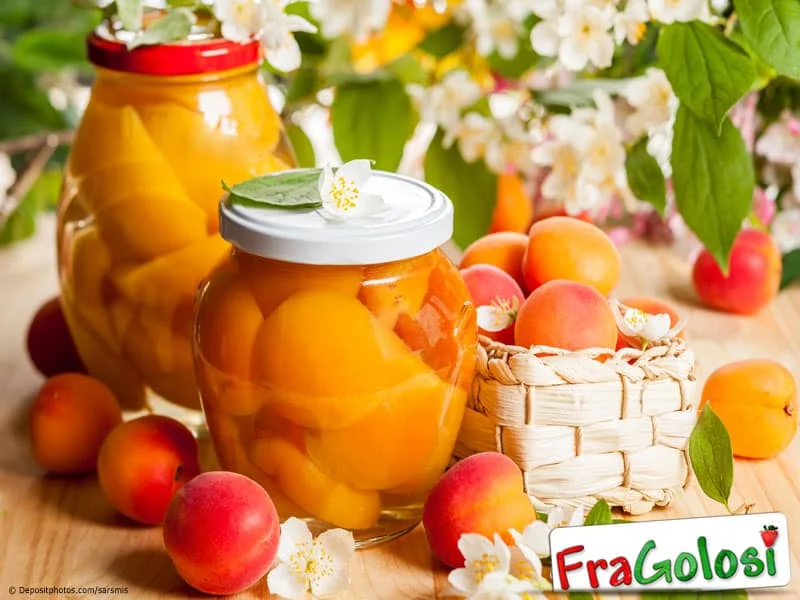
Apricots in syrup are a simple Italian-style preserve of ripe but firm fruit packed in a light lemon-scented syrup. Serve them as they are, spoon them over ice cream or use them to fill cakes.
Ingredients
- 1 kg, prepared weightsound, not overly ripe apricots
- 200 gsugar
- 1 litrewater
- juice of 2 lemons (about 50 g); to taste for the acidulated waterlemon juice
Instructions
- 1
Wash the apricots
Wash the apricots carefully and discard any that are bruised or excessively ripe.
- 2
Prepare the fruit
Dry the apricots on a clean tea towel, halve them and remove the stones. As you prepare them, place the halves in water acidulated with lemon juice.
- 3
Add the syrup ingredients
Put the apricots in a wide pan. Add 1 litre of water for each kilogram of prepared fruit, the sugar and the juice of 2 lemons (about 50 g).
- 4
Simmer the fruit
Bring the pan to the boil and simmer for 5 minutes. Lift out the apricots with a slotted spoon, then reduce the syrup to about half its original volume.
- 5
Sterilise the jars
While the syrup reduces, sterilise wide-mouth glass jars in an oven at 120°C for 20 minutes.
- 6
Prepare the lids
Boil the lids for 15 minutes. Once the apricots have cooled, arrange them in the jars, filling each to the base of the neck.
- 7
Cover with syrup
Pour in syrup until it sits 1.5–2 cm below the rim. Gently shake the jars so that trapped air bubbles rise to the surface.
- 8
Process the jars
Seal the jars tightly. Wrap them in cloths or newspaper so they do not knock together, then sterilise them in boiling water for about 30 minutes.
- 9
Label and store
Label the jars and put them in a cool, dry place. Leave the apricots for about 1–2 months before eating.
- 10
Redistribute the syrup
From time to time, gently shake the jars to help the apricots soak up the syrup evenly.
What are apricots in syrup?
This Italian-style preserve pairs halved apricots with a simple sugar syrup, making a way to enjoy the fruit beyond its fresh season. The method relies on gently cooking the fruit, reducing the syrup and packing both into jars.
Firm, sound apricots help the halves keep their shape rather than collapsing during cooking. Lemon juice brightens the syrup and helps limit browning while the fruit is being prepared.
Nutrition and macros by portion
The nutrition label shows one serving as written: 177 calories, 2g protein, 43g carbs, 1g fat.
| Portion | Adjustment | kcal | Protein | Carbs | Fat |
|---|---|---|---|---|---|
| Lighter | Use less syrup | 124 kcal | 1g | 30g | 0g |
| This serving | As written | 177 kcal | 2g | 43g | 1g |
| Hungry | Serve a larger portion | 266 kcal | 3g | 65g | 1g |
The apricots provide most of the carbohydrate, with additional carbohydrate from the sugar in the syrup; the recipe contains very little fat or protein. Serve a modest portion alongside plain yoghurt or another protein-containing food, and include fresh fruit if you want a more rounded dessert.
Choosing and preparing the fruit
Firm apricots: choose fruit that is ripe enough to be fragrant but not soft or overripe, and remove any bruised pieces.
Acidulated water: put each prepared half into water with lemon juice as you work, which helps keep the cut surfaces from darkening before cooking.
Cooking the apricots and syrup
Brief simmer: cook the fruit for 5 minutes after the liquid comes to the boil; a short cooking time helps the halves remain intact.
Reduced syrup: lift the apricots out before reducing the liquid by half. Keep an eye on the pan as it reduces so the syrup does not catch.
Filling the jars
Cool fruit: let the cooked apricots cool before arranging them in the jars, as the method specifies.
Headspace: cover the fruit with syrup but leave 1.5–2 cm below the rim. Gently shaking the jars helps dislodge air bubbles before sealing.
Sterilising and storing safely
Hot jars and lids: the method heats the jars in a 120°C oven for 20 minutes and boils the lids for 15 minutes. Handle hot equipment carefully.
Water bath: wrap the sealed jars so they do not strike one another, then boil them for about 30 minutes as directed. Jar size, altitude and sealing equipment can affect safe processing; for room-temperature storage, use current, tested preserving guidance for your exact jars and conditions.
How to serve them
Dessert: serve the apricot halves with a little syrup on their own or with ice cream.
Baking: drain them lightly before using as a cake filling, and reserve the syrup to spoon over the finished cake if desired.
Recipe notes & tips
- Use a wide pan so the fruit can sit in a relatively even layer.
- Keep the apricot halves in lemon-acidulated water while preparing the rest.
- Lift the fruit out gently with a slotted spoon to avoid breaking the halves.
- Reduce the syrup until it is about half its starting volume, rather than relying only on a fixed cooking time.
- Leave the specified headspace at the top of each jar.
- Follow tested preserving guidance for your jar size and storage conditions.
Variations
- Vanilla: add a split vanilla pod to the syrup while it simmers.
- Cinnamon: infuse the syrup with a cinnamon stick, then remove it before filling the jars.
- Orange: replace some of the lemon juice with orange juice for a softer citrus flavour.
- Almond: serve the finished apricots with toasted flaked almonds.
- Dessert topping: spoon the fruit and syrup over ice cream or thick yoghurt.
Common mistakes to avoid
- Using soft fruit: it can break down during cooking, so choose sound apricots that are not overly ripe.
- Leaving cut fruit exposed: place the halves in lemon-acidulated water as you prepare them.
- Boiling too vigorously: keep the fruit at a simmer for the specified 5 minutes.
- Reducing the syrup with the fruit still in it: remove the apricots first so they do not overcook.
- Filling too close to the rim: leave 1.5–2 cm of space above the syrup.
- Assuming any water-bath time guarantees shelf stability: use tested preserving instructions suited to your jars and conditions.
How to store
The recipe directs you to label the jars, store them in a cool, dry place and wait about 1–2 months before eating, shaking them occasionally. Because the stated processing time may not suit every jar size or storage condition, use tested canning guidance for pantry storage; otherwise refrigerate the jars and use them promptly. Refrigerate any opened jar and use clean utensils when serving.
Frequently asked questions
Can I use very ripe apricots?
It is better to use firm fruit that is not overly ripe. Softer apricots are more likely to lose their shape during simmering and packing.
How long should I simmer the apricots?
Once the liquid boils, simmer the fruit for 5 minutes, then remove it before reducing the syrup.
Why reduce the syrup separately?
The method reduces the syrup to about half its original volume after the fruit is removed. This concentrates the liquid without continuing to cook the apricots.
How much space should I leave in each jar?
Fill with syrup to 1.5–2 cm below the rim, then gently shake the jar to help air bubbles rise.
Can I eat the apricots straight away?
The recipe recommends waiting about 1–2 months so the fruit can absorb the syrup. Make sure the jars have been processed and stored using suitable tested preserving guidance.
How should I serve them?
Enjoy them on their own, with ice cream or as a cake filling. A little of the syrup can also be spooned over the dessert.
Cook it from the original
This recipe comes from fragolosi.it. Their page has the author’s own photos, notes and tips — the best place to cook it from.
Open the recipe on fragolosi.it